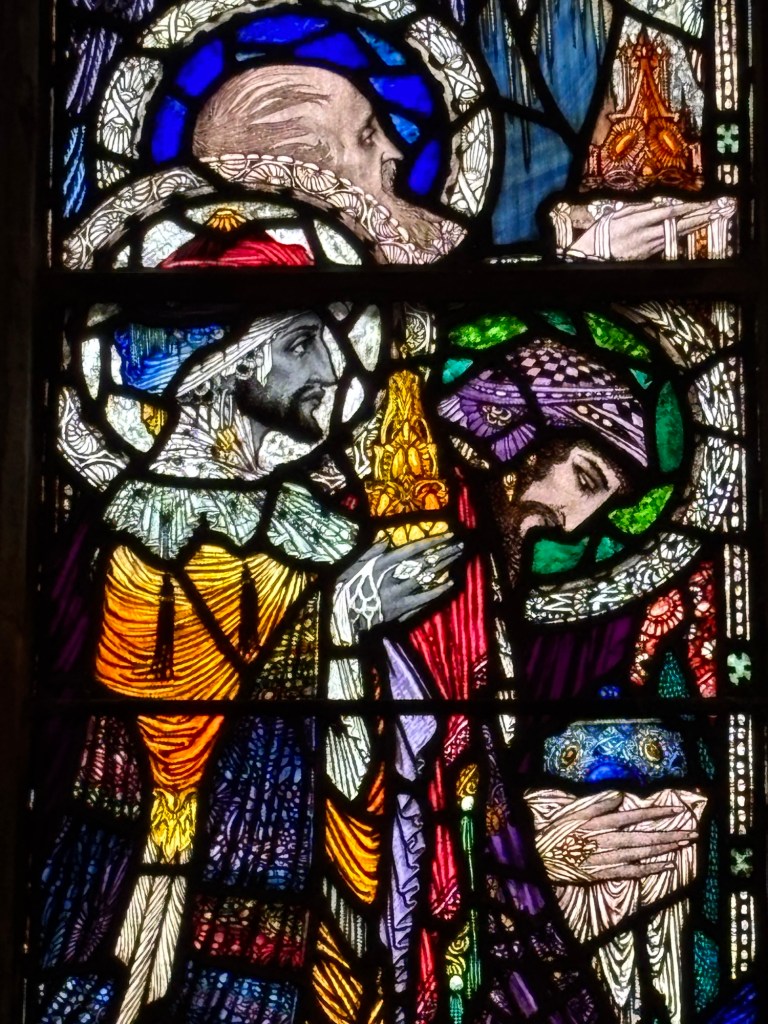
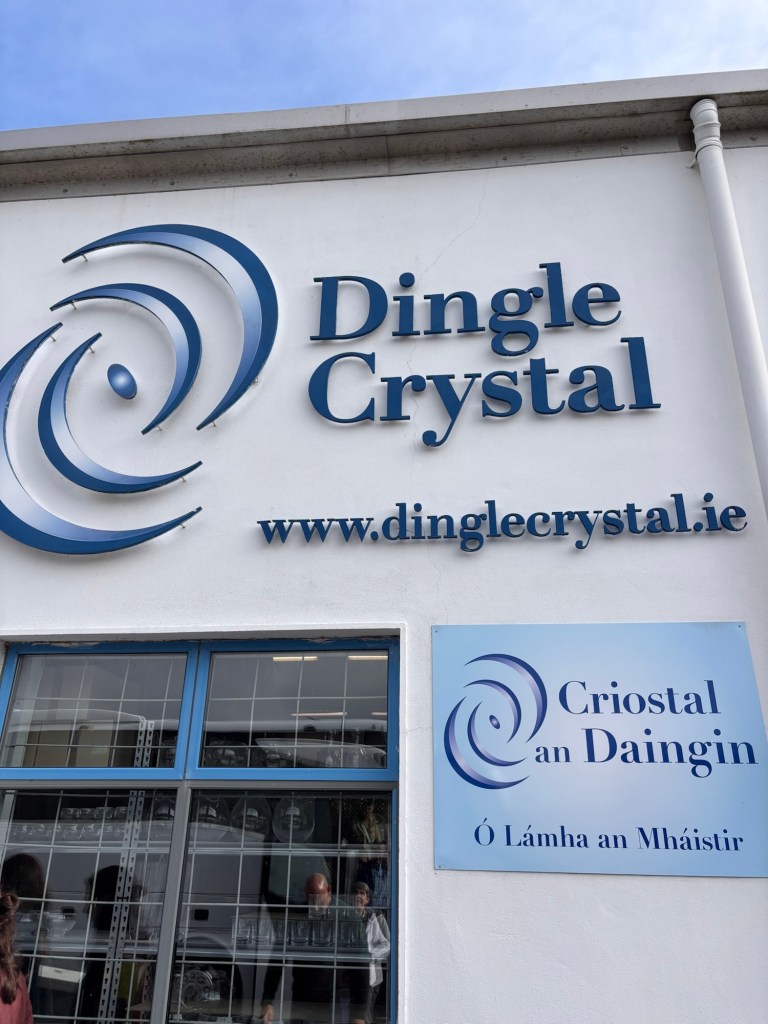
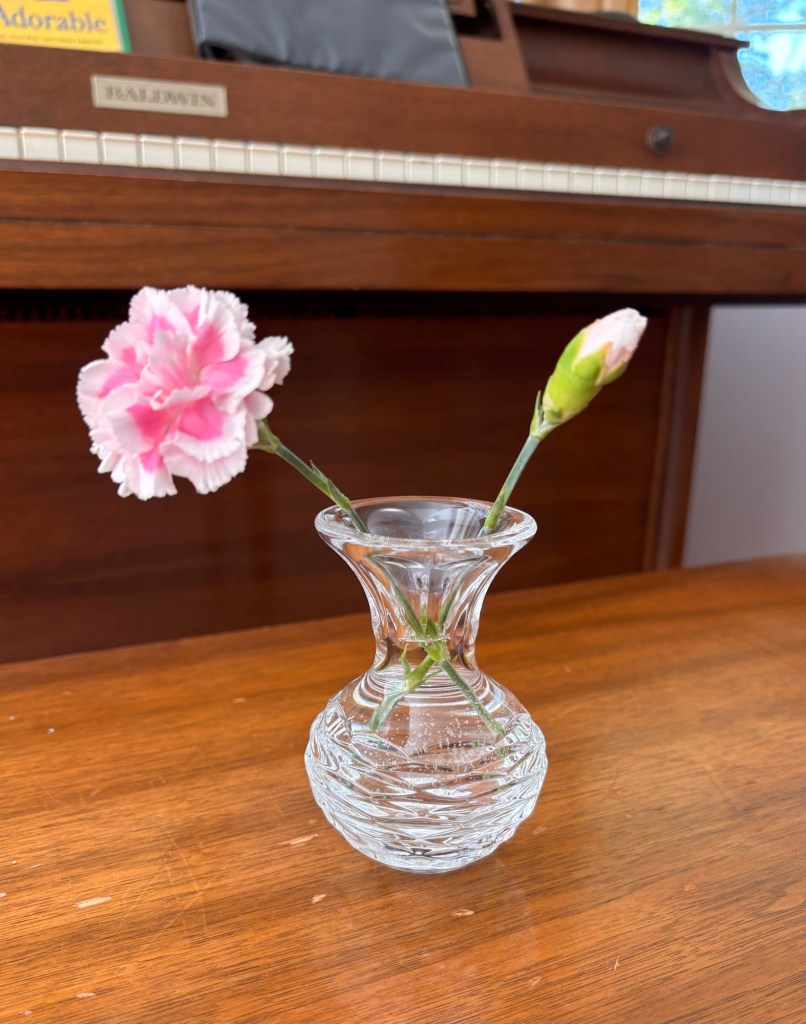
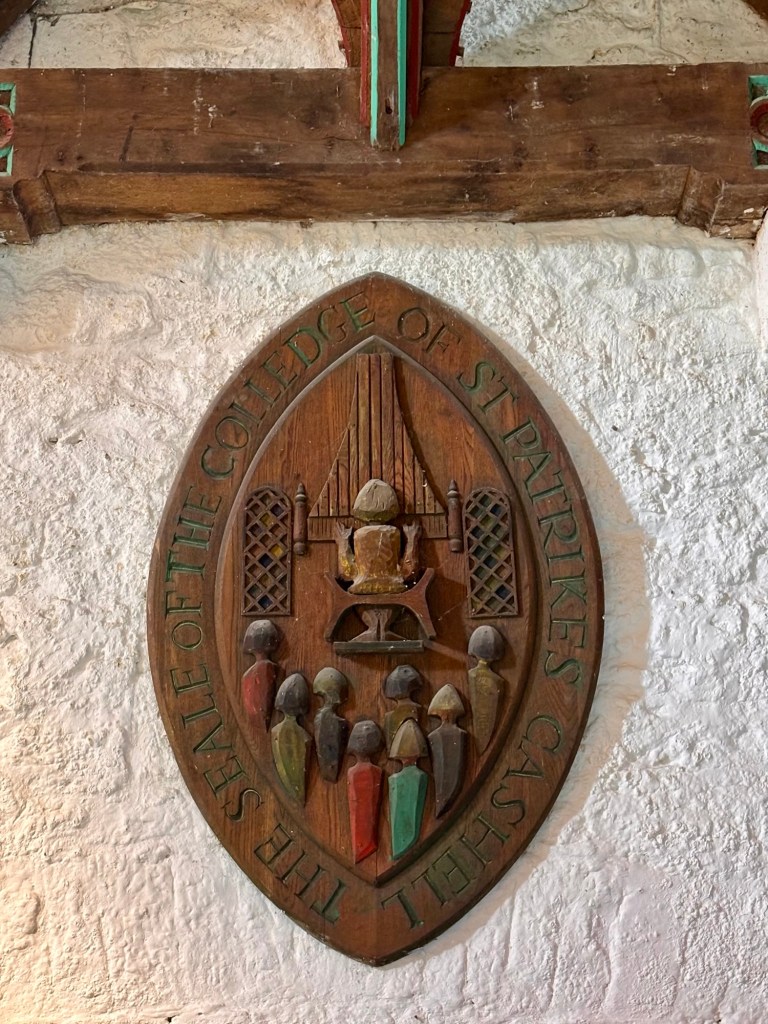
The USS Constitution (“Old Ironsides”) with the Bunker Hill Monument in the background (August 21, 2025)
Do you know which great American city has been fighting authoritarians for 250 years? Sit down Philadelphia, because it’s Boston.
Fought on June 17, 1775, the Battle of Bunker Hill was one of the first major battles of the American Revolutionary War. Despite being technically a British victory, the battle showed that colonial forces could stand up to the British army, significantly boosting American morale.
In 1776, with the signing of the Declaration of Independence in Philadelphia (OK Philly we see you) the colonies formally declared themselves a new nation, requiring defense both on land and at sea. By 1794, with independence secured but U.S. ships vulnerable to attacks by pirates and foreign powers, Congress authorized the building of six frigates, including the USS Constitution.
In 1797, the USS Constitution was launched in Boston Harbor. During the War of 1812, she defeated multiple British ships in single day combat. In her most famous victory, British cannonballs bounced off her hull which was built with dense live oak (60% denser than white oak), thus the nickname Old Ironsides. The ship become a powerful symbol of the young republic’s survival and determination.
The ship in my photo is not a replica, it’s the actual USS Constitution. While she has undergone many restorations (her timbers have been replaced over time), her keel and much of her structure remain historic. She’s berthed at the Charlestown Navy Yard in Boston Harbor and is still an active U.S. Navy ship, with a crew of active-duty sailors who give tours.
Now check out Boston’s current mayor—Michelle Wu—telling overreaching, authoritarian President Donald Trump to go fuck himself in so many words.
Like Sex and the City, Rosie O’Donnell is very aligned to me culturally.
In case you don’t remember the 1990s, Rosie O’Donnell was HUGE—one of America’s biggest cultural figures. Her daytime talkshow The Rosie O’Donnell Show won multiple Emmys and the media nicknamed her “The Queen of Nice.” She was truly a household name. I watched her a lot. She adopted her first child Parker in 1995, the same year I became a mom. She kept me company during the day when I was home with my kids. She was funny, kind, warm and loved Broadway musicals like I did.
In the 2000s, her image shifted as she came out publicly and became a strong advocate for LGBTQ+ rights, which made me like her even more. Later, when she was on The View, I didn’t watch her as often because I was back working, but I know that’s when her public fights with Donald Trump really ramped up. My recollection is that it was primarily a beef between two New Yorkers that had history and absolutely hated each other in a way that only two New Yorkers can.
Well, lo and behold, thirty years later, Trump is the most authoritarian President the United States has ever seen and Rosie has escaped to Ireland.
In fact, since I discovered her TikTok and Substack shortly before my trip to Ireland, I’ve been following her time abroad closely. She seems to really love living in Dublin, although she misses her family. I even went to the Dublin comedy club where she had been practicing her act for the Edinburgh Fringe Festival. By all accounts, she was a smashing success there. She plays Australia next.
I’m happy for Rosie that things are going well for her abroad, but I’m very aware of the absolutely dystopian reasons she left the country.
We are in uncharted waters now.
We live in a time when an American President publicly threatens to revoke a natural-born American’s citizenship for no reason other than that he just really fucking hates her.
Tom Cruise on The Rosie O’Donnell Show (and BTW, good on Tom for declining to accept a lifetime achievement award from Orange Mussolini at The Kennedy Center)
I think it is the nature of things for parents to care more about their children than vice versa.
Our children love us, but not how we love them. Oh how we love them. If they are struggling, sick or unhappy, it can be hard to function ourselves. If your parents live to be very old, you will be old too. You may be dealing with old people problems like osteoarthritis and macular degeneration at the same time as your parents. In some cases, very old parents outlive one or more of their children, which is obviously terrible for the parents. Nobody should have to bury a child. Ever.
But here’s what I think I want to say. You don’t owe your very old parents a myth of your own happy carefree existence. You’re old too. And things have gotten worse. The country has gotten worse.
I’m definitely not saying you should call up your very old parents and unload your problems on them. (If you’re still doing that at age 60+, you may have Peter Pan Syndrome.) I’m saying that if they call you a lot (and are of sound mind), it’s OK to be yourself. You don’t have to make up cheerful bullshit all the time just to keep them happy. Because that’s exhausting. And you’re old too.
On the flip side, if you’re having a good day and feel like chatting, call your mom. Nobody’s ever gonna love you like she does.
You know the top secret security question we all get asked at some point:
What is your mother’s maiden name?
This is the first image that comes up in the WordPress free image library if you type the word “maiden.”
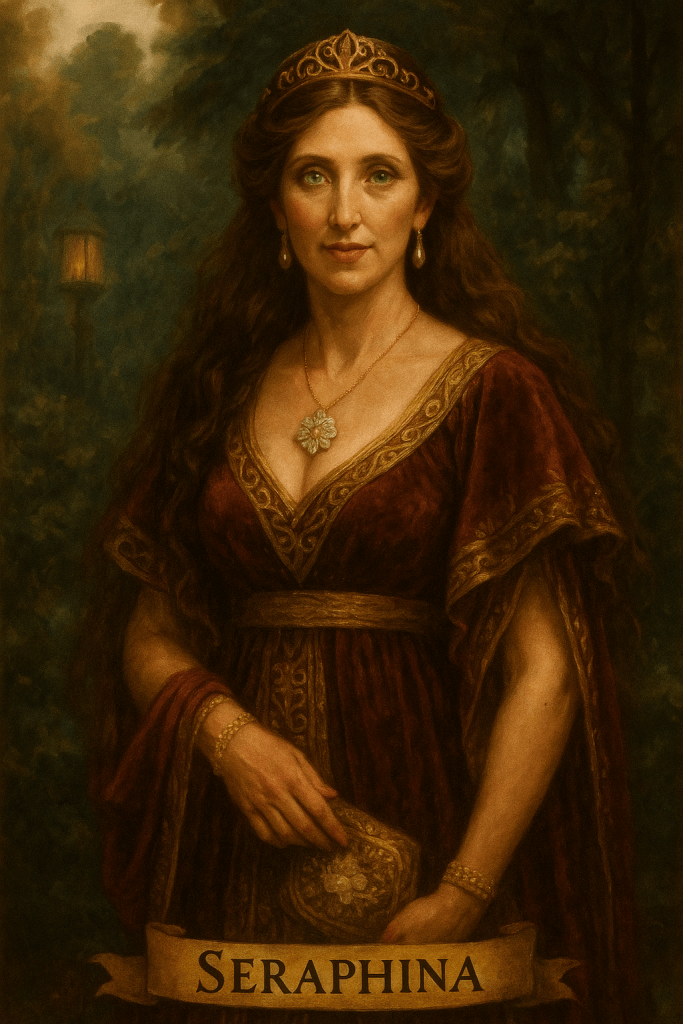
Well, I never seriously considered changing my last name when I got married. So my kids have it easy: my last name is the same as my “maiden” name. I’ve only ever had the one surname. [Actually, I just thought of this: maybe I should secretly choose a “fair maiden” name—like Guinevere or Seraphina—and tell only my kids so they can have an extra tight security question.]
But I digress…before I even start.
The point of this post is that my mother’s maiden name is Powell, which is neither Italian nor Irish—the two ethnicities I have explored the most. I’m half Italian (all of my father’s grandparents were born in Italy) and at least one eighth Irish. (I did a deep dive on that Irish great grandmother on my recent trip to Ireland.)
Well, the ethnicity of the man that my Irish great grandmother married and had six children with (including my grandfather) is more of a mystery. Thanks to my mother’s extensive research, we know his name was David Julian Alonzo Powell and that he was born in Jamaica in 1876. They married in Liverpool, England in 1903, shortly before emigrating to Brooklyn, NY.
He worked as a mechanic and a fireman and died of syphilis at age 43 in New York. His race was listed as “white” in census records and on his death certificate.
Now, David’s brother Henry, from the same two Jamaican-born parents, was classified as “mulatto” on the 1920 US census and worked as a minister in several black churches in the US south before returning to Jamaica.
One of the US churches he served was in Asheville, NC, where a newsletter noted that Rev. Powell was “a quiet cultured Christian gentleman, whose record in the city has been as clean as a hound’s tooth. He is every inch a priest in the Episcopal church. He has been a credit to the colored people in Asheville and they have in turn put a true evaluation upon him.”
Soooo, one brother (my great grandfather) lived as a white person in the US, and the other one (my great granduncle) lived as a mixed-race or black person in the US. Their father, William Henry Powell (my great great grandfather) lived his entire life in Montego Bay, Jamaica. His 1902 death certificate listed his occupation as “baker.” His race is not listed, but it seems almost certain that he and his wife Elizabeth were of mixed Afro-European descent. (Fully white Europeans were a very small percentage of the Jamaican population at that time and typically did not live and work in downtown Montego Bay, whereas Black Jamaicans and mixed-race Jamaicans frequently worked as bakers, carpenters, tailors, and other tradespeople.)
Of course, this begs one of the most challenging questions for those who seek out their roots: were any of my ancestors enslaved? And for mixed-race people, the even more more challenging corollary: were any of my ancestors enslavers? It seems likely, as slavery is how black people got to Jamaica in the first place.
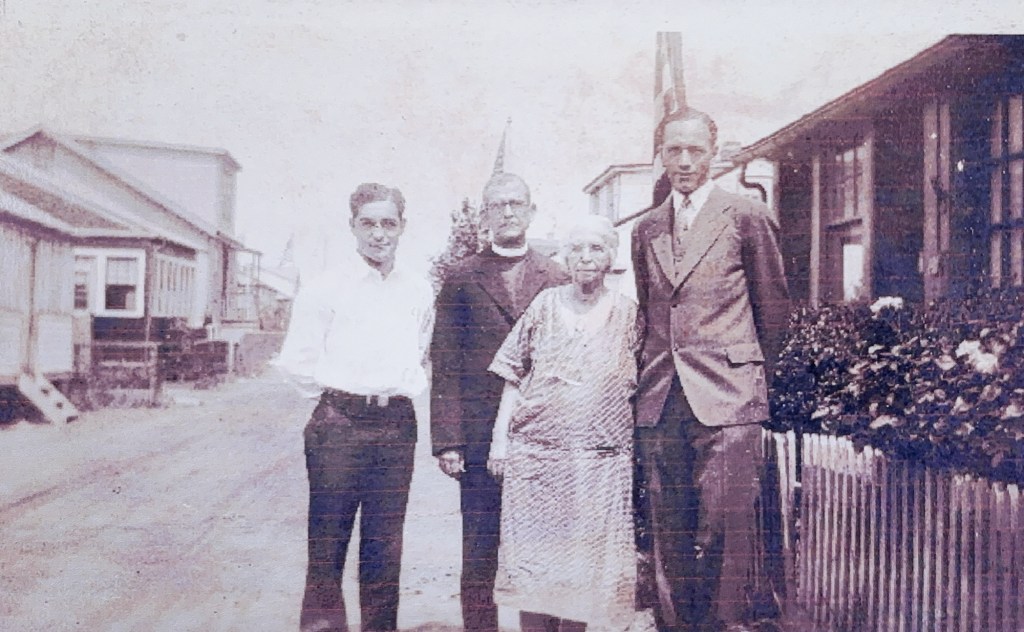
My grandfather (far left) and his brother (far right) with their minister uncle, Rev Henry Powell and his wife Bertha.
So, my mother’s maiden name leads to Jamaica 🇯🇲
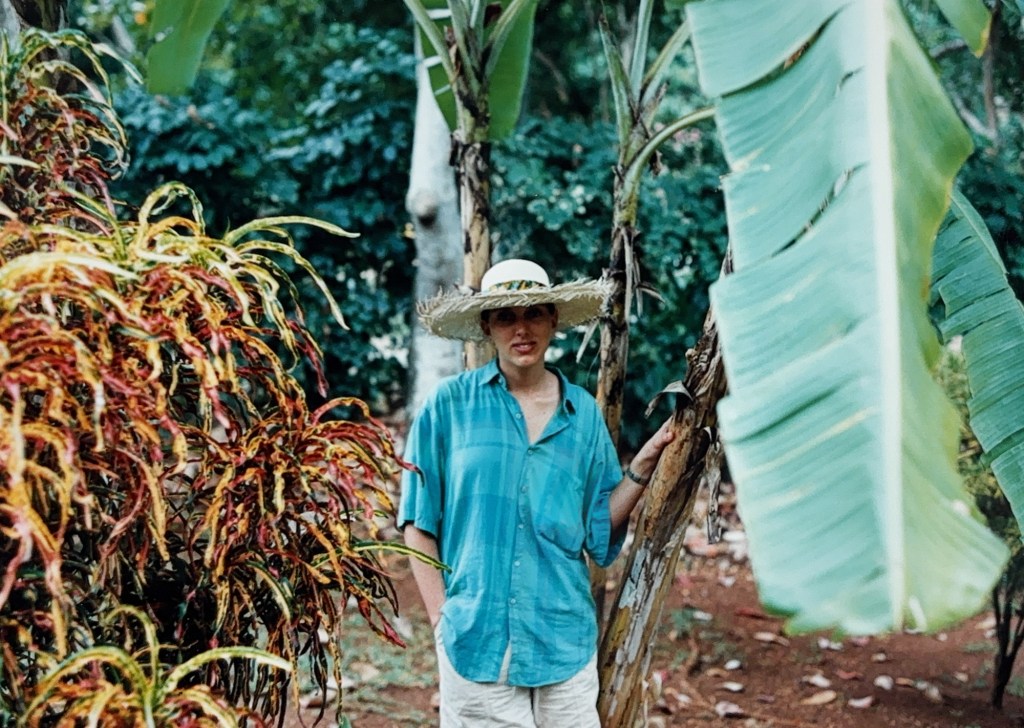
I went to Jamaica with a boyfriend in 1990—way before I had any idea of a genealogical connection with the country.
What’s behind your mother’s “maiden” name?
______________________________
UPDATE: I’ve just learned from Elle’s blog that today (August 1) is a very important national holiday in Jamaica. It’s Emancipation Day, which celebrates the abolition of slavery in the British colonies in 1834.
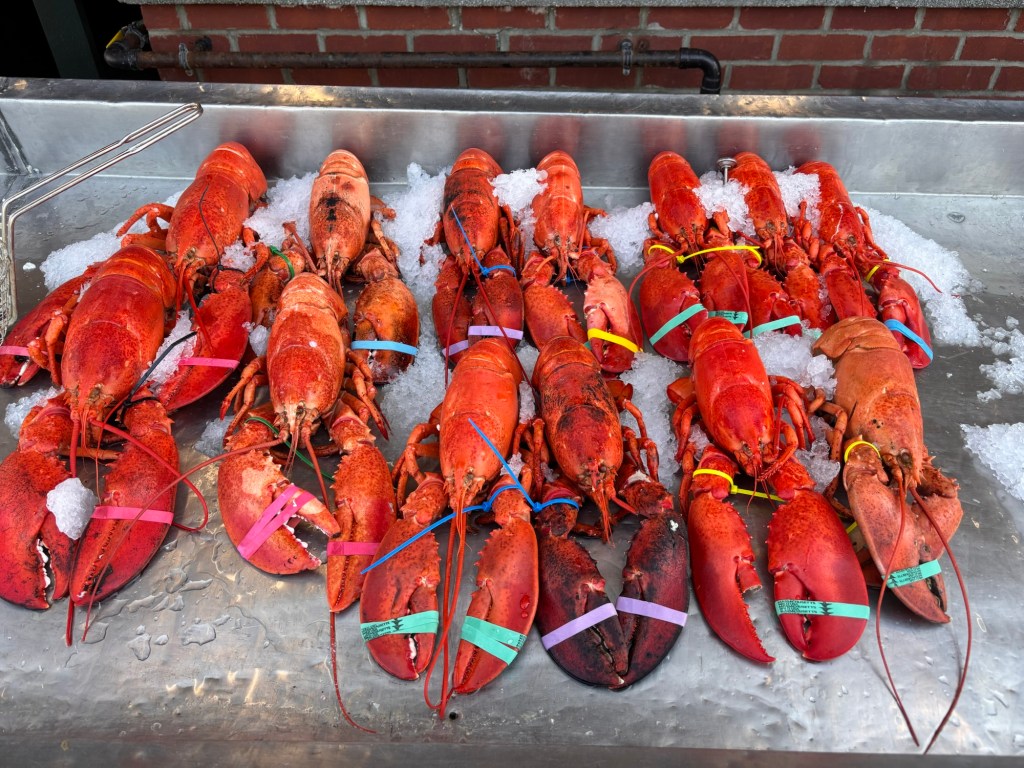
Boiled lobsters for sale at Woodman’s in Essex, MA
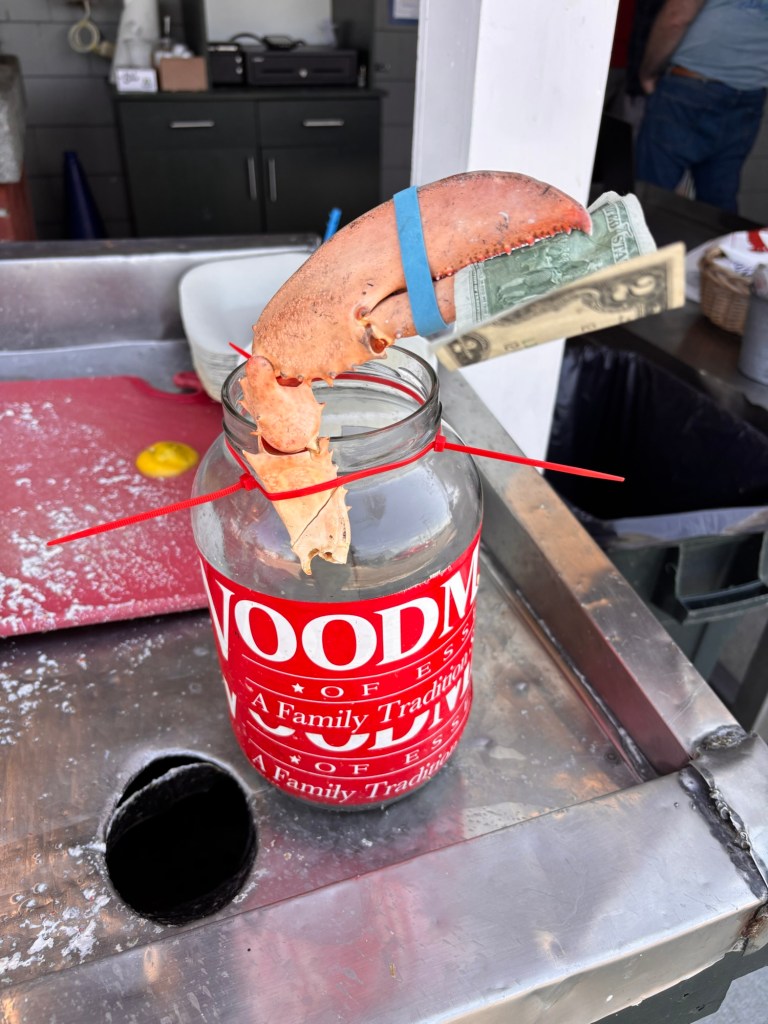
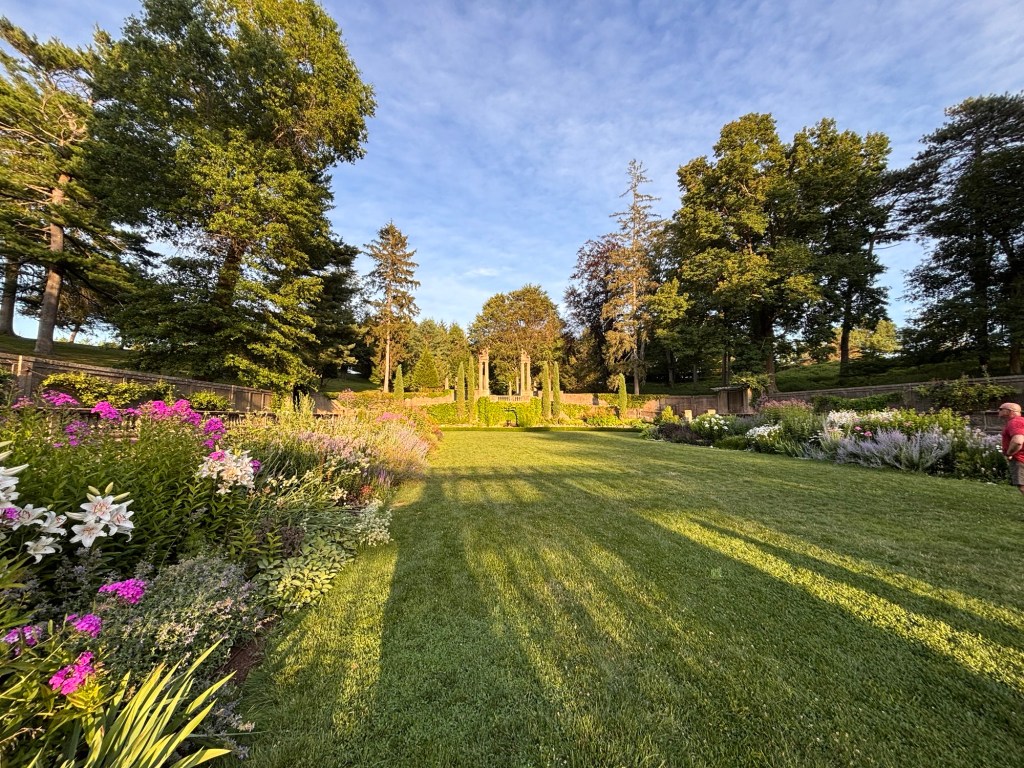
The tip jar at Woodman’s—a family-run business since 1914The “Italian garden” at the Crane Estate in Ipswich, MA (my Italian is on the far right 😉)
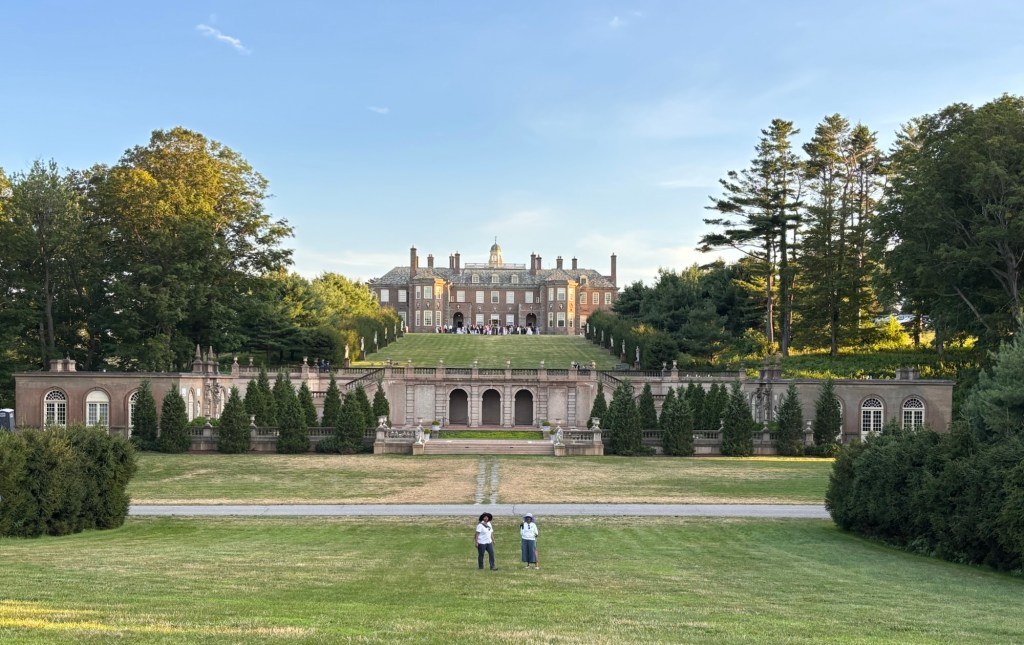
The property is now owned and managed by a nonprofit organization: The Trustees of Reservations
The Great House (with a wedding reception underway on the lawn)
The “rose garden” at the Crane Estate is now mostly filled with more sustainable plantings.
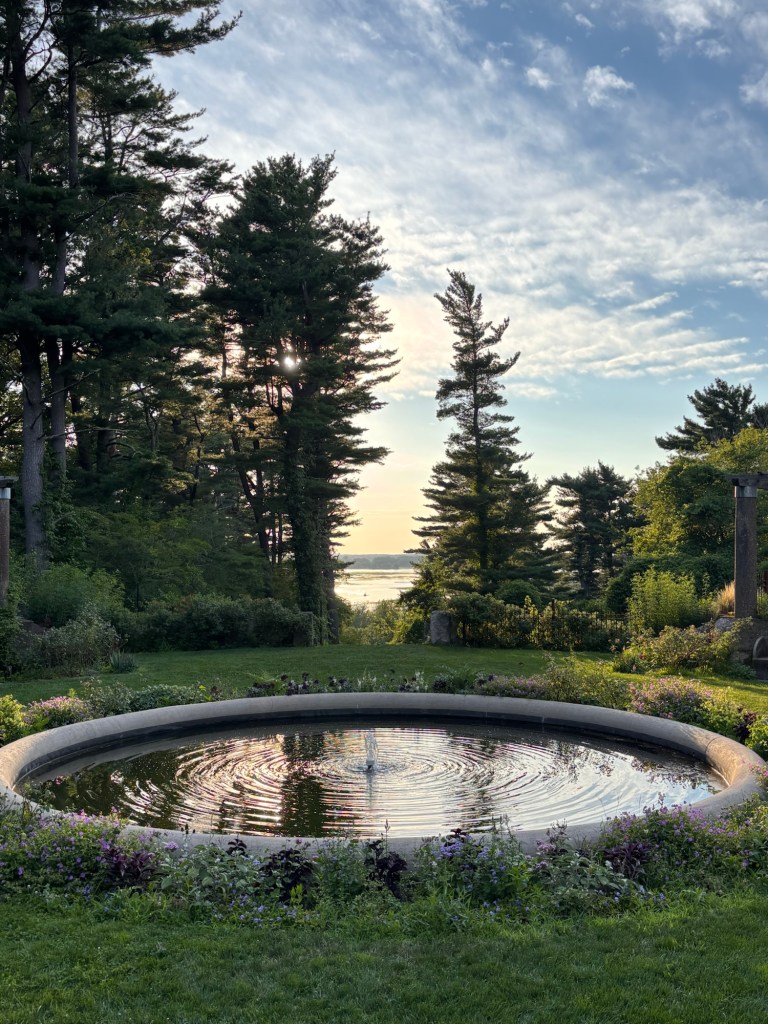
The Crane Estate’s salt marsh is part of the largest continuous salt marsh system north of Long Island, spanning nearly 25,000 acres across Essex County.
Everyone around here knows that the one big drawback to this part of our beautiful state is Greenhead fly season. Those little buggers love the salt marshes and their bites really hurt! I was not being bothered by the flies, but they were really going after my poor husband. Maybe they prefer 100% Italian-Americans. (I’m only 50%.) My Irish was protecting me ☘️ 😊
“Summah” is Boston for “summer.” The truth is I’ve never had much of a Boston accent and my husband has mostly lost his, but I do like to hear it when I’m away from home. There are different versions of it, based largely on socioeconomic class. In my opinion, the upper class “Kennedy” version is fading away. You rarely hear it. (Listen to JFK say “summer” at minute 6:00 of this speech.)
The middle class/blue collar version of the accent is way more common. Former Boston Mayor Mahty Walsh had a good one.
We’ve got four distinct seasons here in Massachusetts and there’s just no doubt about it…
OK, I’m starting to sense a certain outlook change now that I’m 60.
I’m sure there are lots of people out there that start wonderful new adventures at age 60, but I think, for most of us, that feeling that the path is wide open is over. That “open road” feeling you had in your 20s, 30s & 40s—that life could still potentially take you anywhere—has passed.
If you haven’t already done it, you’re probably never going to:
—move to Paris
—became a famous musician
—join the Peace Corps
—become a doctor
—become so rich you never have to worry about money
—move to the other coast
—buy an RV and travel the country (actually, I think some people DO do that in their 60s)
—leave your spouse and run off with an old flame
—have children
—learn to cook
—get a graduate degree
—make the Olympic team
I’m not saying these things can’t happen in your sixties, but they usually don’t. Those big forks in the road are in the rearview mirror and your focus shifts to the twenty good years or so that you hopefully have left. Sadly, too many people are consumed by health and money worries in their 60s, but if you’re lucky enough to not have to worry about basic needs, you may want to return to fulfilling creative pursuits like painting or writing, or focusing on being fully present with family and friends, or traveling to your bucket list destinations.
The dreams are different now. And there are fewer of them.
My high school senior graduating class in 1983—when anything was possible
I just turned my house upside down looking for our “America the Beautiful” National Parks Annual Senior Pass that we bought last year to go to Yellowstone and Grand Tetons. It lets people 62+ get a whole car full of people into any national park for free. (It only costs $20, if you buy it in person.)
Good news! I found our pass in my husband’s wallet, even though he checked there himself. (Senior citizens cannot be trusted in these matters!) And even better, it’s good through September 30. So, I can book a post-Labor Day trip to one of our great national parks. I basically have to, right? I can’t let that Senior Pass go to waste!
I thought about Yosemite, because it’s such a wildly popular national park, especially for international travelers, but that’s a big commitment for people from the East Coast.
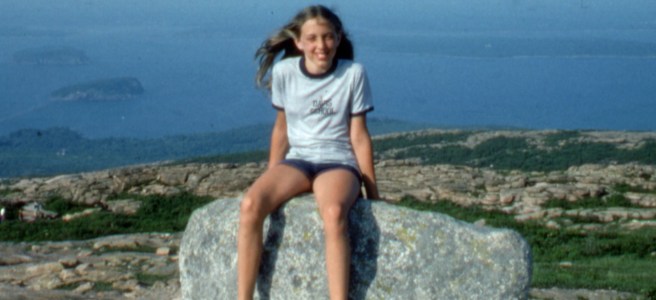
So, the national park I’ve most wanted to return to for many years (I haven’t been there since 1976) and that my husband has never been to is….
My parents have traveled a lot. They’ve been to many countries and seen many things. And one thing I’ve noticed is that they’ve forgotten quite a few specifics of late. I’m not blaming them (they’re pretty darn old), but I’d like to not forget as much as possible.
Typically, I take photos of signs or menus to remember where I was, but now our phones tell us exactly where each pic was taken (which is handy).
In any case, this post is mostly for me, like a diary. And possibly for my kids or grandkids who may someday wonder where exactly we went in Ireland on that trip we took back in 2025.
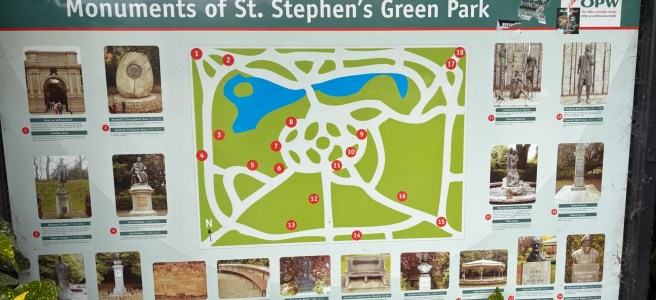
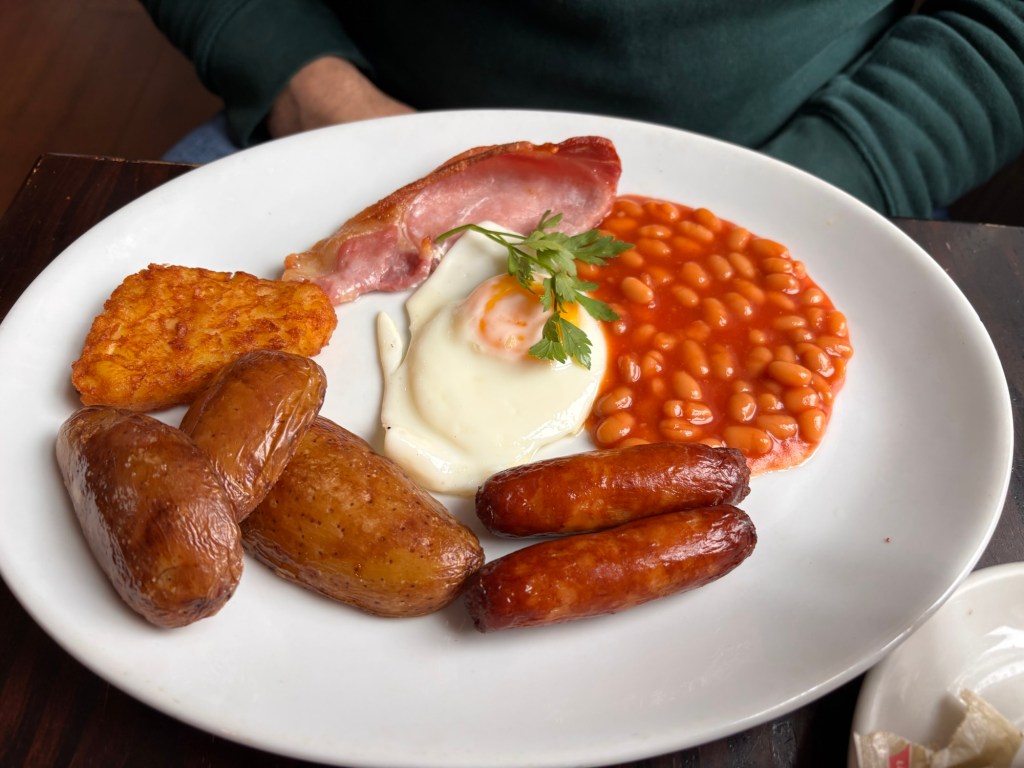
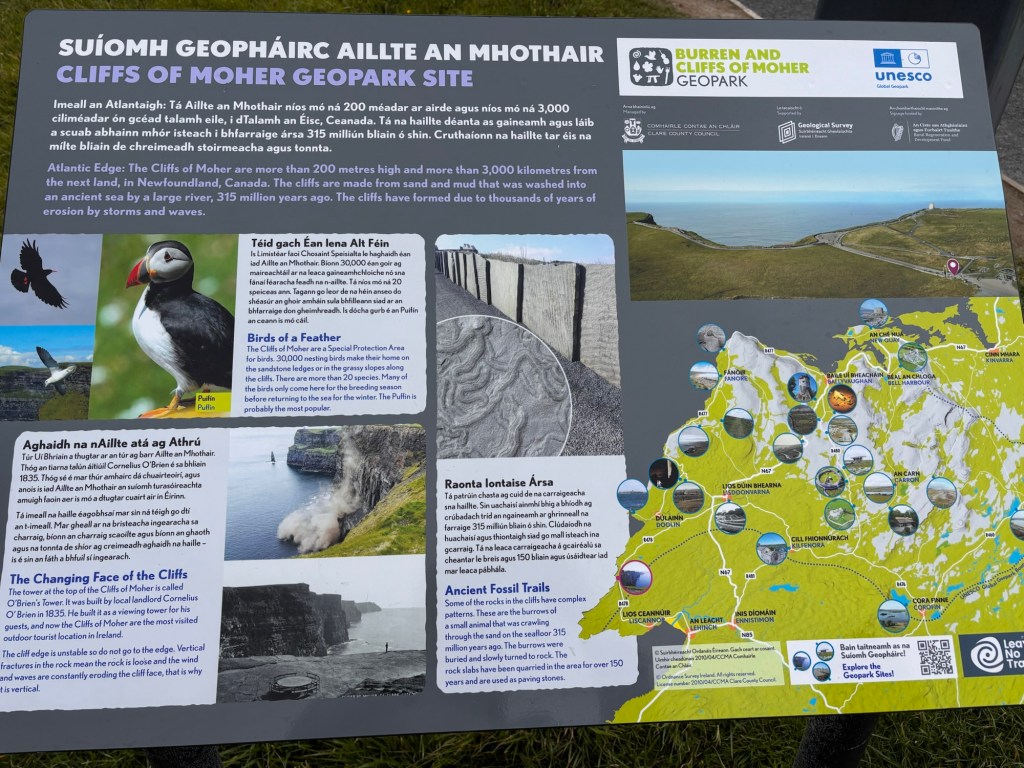
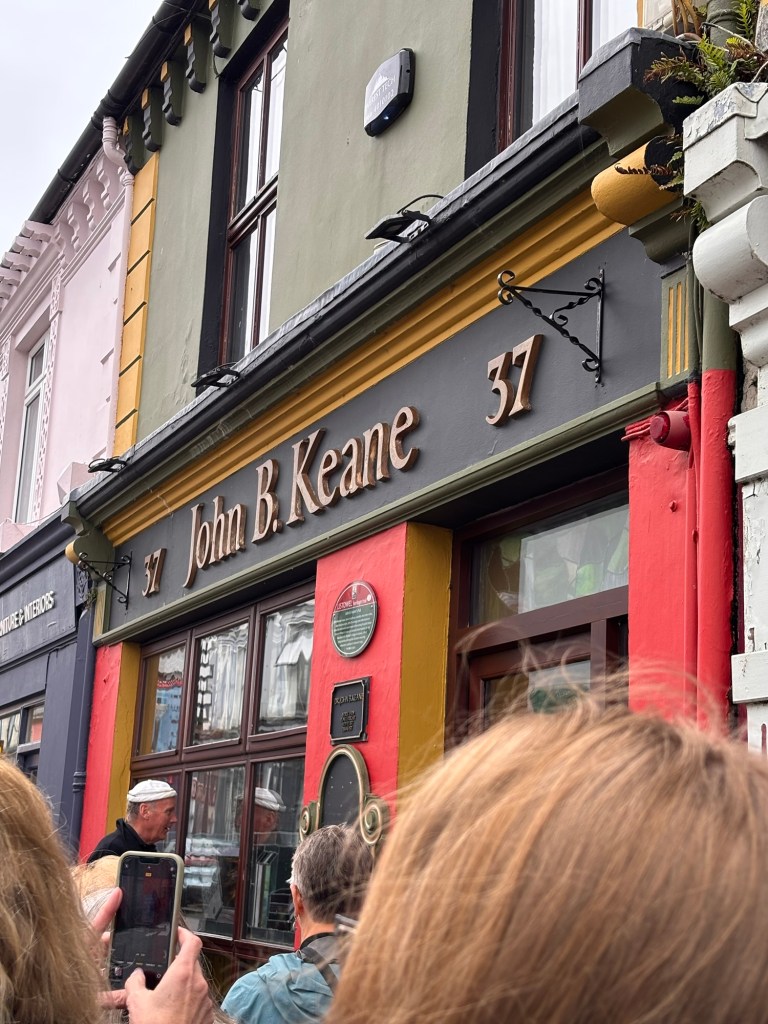
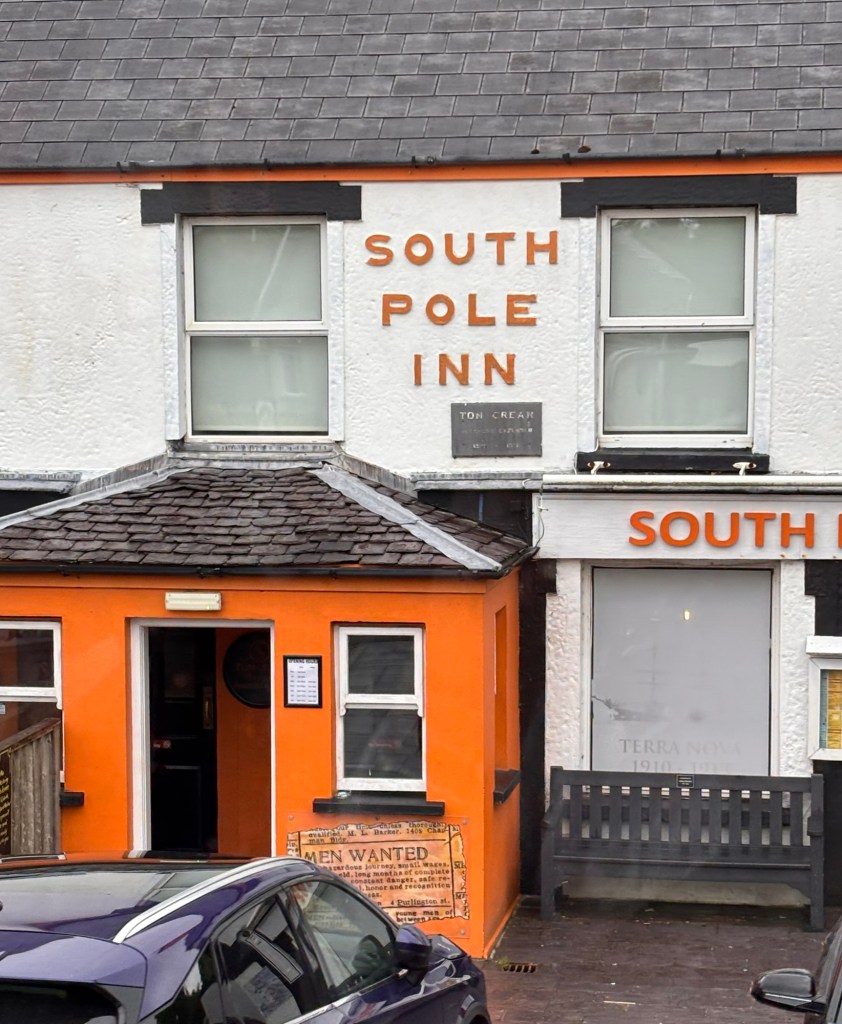
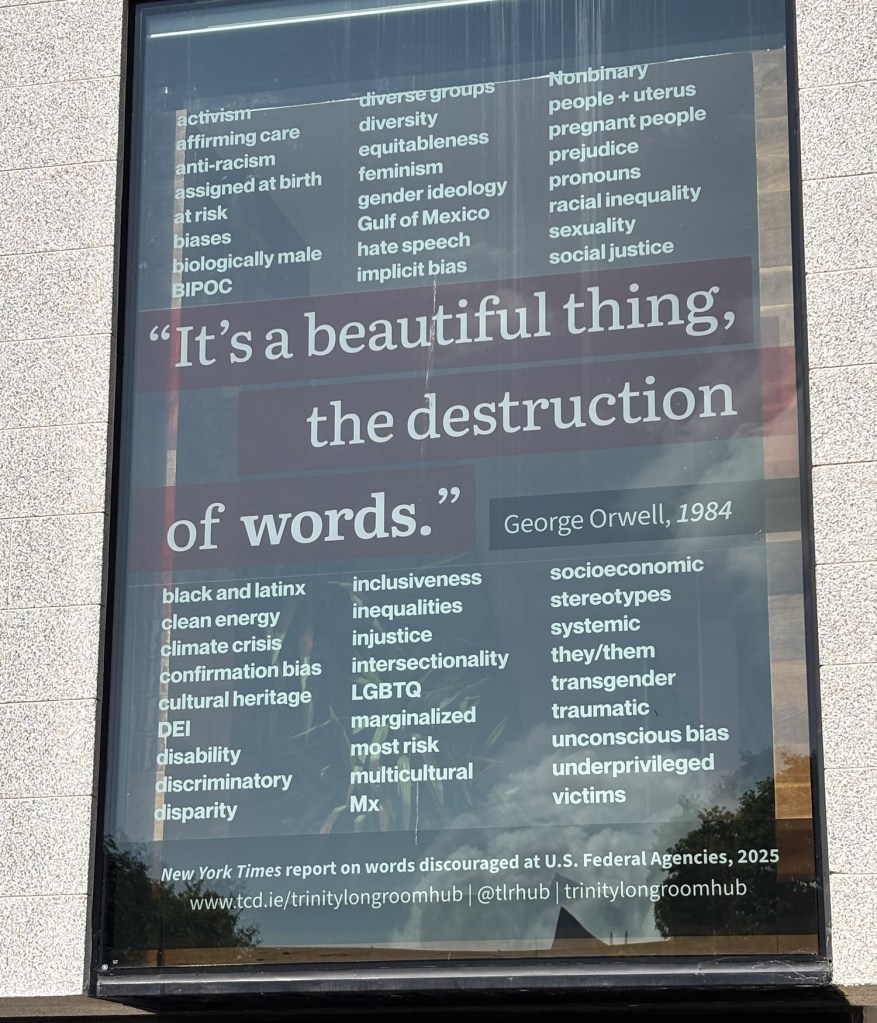
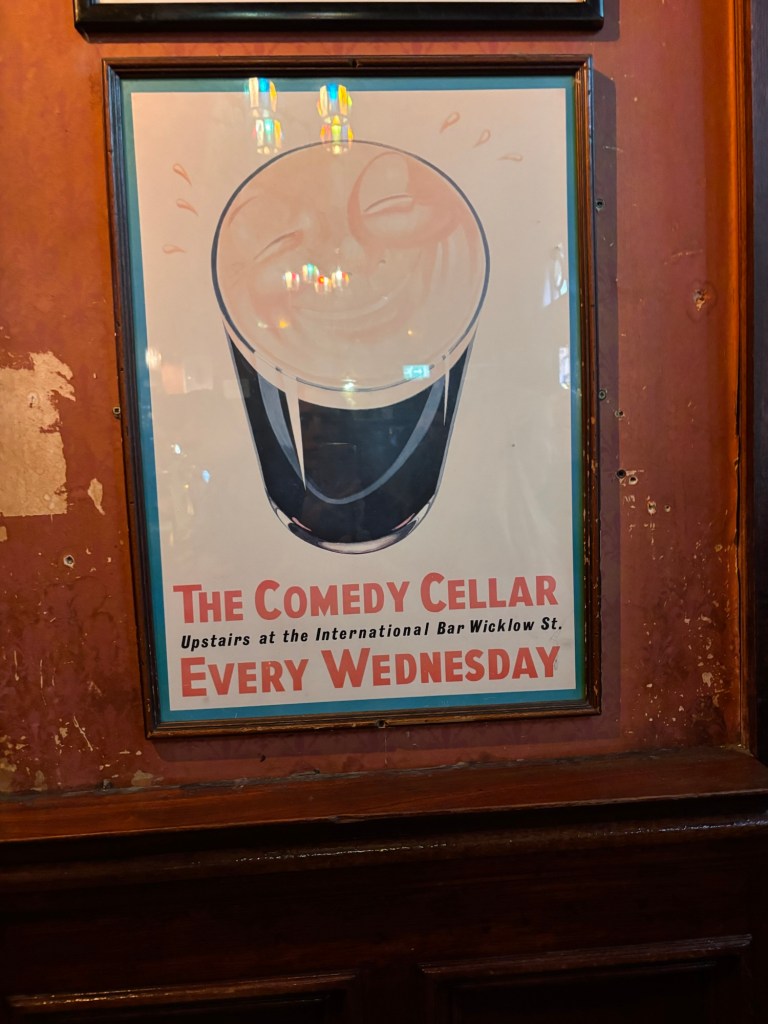
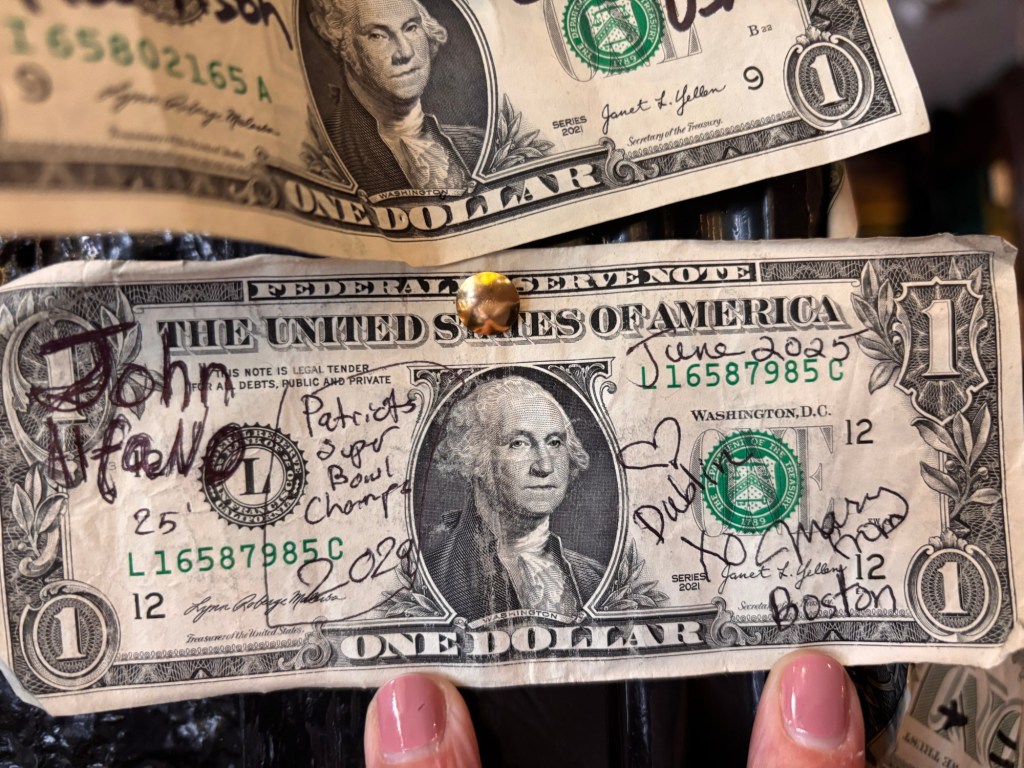
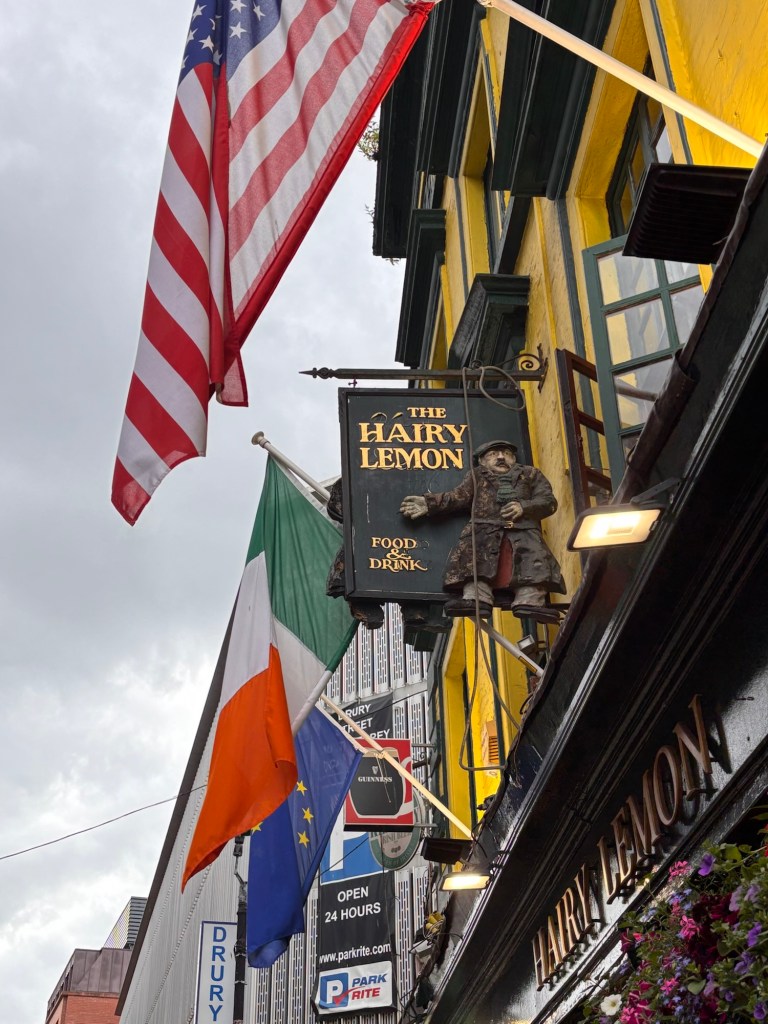
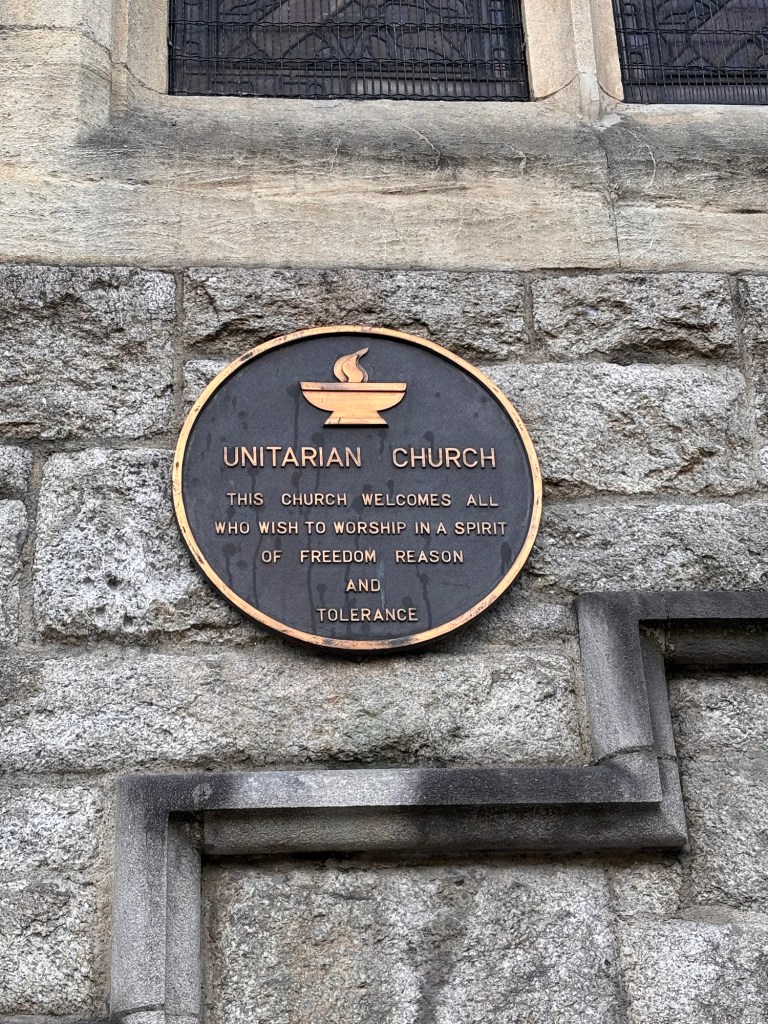
Barry’s Tea in our room at the Old Ground Hotel in Ennis. I thought this was a good sign because “Barry” was my great grandmother’s last name! Barry’s is one of 2 major tea brands popular in Ireland. The other one is Lyons. We were told people are fiercely loyal to one brand or the other. Nobody ever switches brands.Irish breakfast at Café Aroma, Ennis This document is the 1916 Proclamation of the Irish Republic, one of the most important texts in Irish history. We saw it everywhere. This one is in Ennis. Here’s the sign at the Cliffs of Moher. Everything is written in both English and Irish (aka Irish Gaelic)—it’s not a dead language. People still speak it and kids are required to learn it in a school.My dessert at Henry’s Bistro & Wine Bar, EnnisWe took the The Killimer–Tarbert Ferry across the Shannon River in western Ireland. It connects Killimer, in County Clare to Tarbert, in County Kerry This is the pub in Listowel (County Kerry) owned by Billy Keane, son of beloved Irish playwright John B. Keane. Billy told us many great stories and (because it was my birthday) I was selected to play the part of a drunk patron being shooed from the bar with a push broom. I nailed it. 🤣This is The South Pole Pub in Annascaul, County Kerry, where we stopped for a drink on a rainy day. It was owned and run by Tom Crean, one of Ireland’s greatest polar explorers.Tom Crean (1877-1938) played a major role in Ernest Shackleton’s Endurance expedition, one of the greatest survival stories in exploration history. Handsome, right?In Dingle, we were lucky to get in to see the exceptional Harry Clarke stained‑glass windows in the Chapel of the Sacred Heart, part of the former Presentation Sisters’ convent on Green Street, now known as An Díseart – Institute of Irish Spirituality and Culture. A close-up of “The Three Kings” in one of the Harry Clarke windows (the faces, wow)This is where we saw a crystal cutting demo and I bought a cute little bud vase with Irish beehive design. It’s signed by the founder and master cutter Sean Daly.I managed to get it home unbroken in my carry-on, even though Irish airport security insisted on unpacking it! Slea Head Drive, The Blasket Centre and Gallarus Oratory in the Dingle Peninsula was the most spectacular day of the trip.I had my first Guinness at Curran’s Pub in Dingle and it was good. Not all pubs in Ireland serve Guinness correctly. You have to ask the locals.This is the lobby of the Milltown House in Dingle where we stayed for two nights. This horse—I mean dog—lives in the hotel. He’s a huge Irish Wolfhound named Seamus.We had a truly delicious dinner at Doyle’s Seafood in Dingle. I heard a great guitarist/singer at this pub in Dingle. He had the whole place singing along.The sign from the Monastery in Adare explains that the many pigeons you see nesting in the walls of ancient buildings in Ireland were actually a major food source for the monks. 🤢The choir logo (for lack of a better word) from the choir quarters at the Rock of Cashel. As a choir lady myself, I had to get a photo of it. Apparently they treated those 15th century choristers very well around town! Free food, etc (if they flashed the logo)We had a nice cocktail party and group dinner here at “The Left Bank” in Kilkenny. We stayed nearby at the Pembroke.Explanation of another fascinating, ancient spiral 🌀 carving in the Glendalough Visitor Center, County Wicklow.This one has a cross in the middle of the spiral so they think it’s from a later period than the ones at Newgrange.Delicious lunch at Avoca Fern House, about 35 minutes south of Dublin in Kilmacanogue, County WicklowArtist and activist Grace Gifford Plunkett’s cell at Kilmainham jail (subject of Rod Stewart’s song Grace, she married her husband just before his execution)This is a huge sign on a building in the main courtyard of Trinity College near the Book of Kells entrance.An interactive display at the EPIC Museum in Dublin told me I’m part of the large Irish diaspora with the Barry nameWe stayed at the Iveagh Garden Hotel in Dublin, which is in a fantastic location. The ancient Gleninsheen Gold Collar at the National Museum of Archaeology in Dublin. In addition to the magnificent gold collection, the preserved human “bog bodies” are a highlight of this major FREE museum. The International is a centrally located bar with stand-up comedy shows upstairs AND in the cellar. Rosie O’Donnell (who left the US for Ireland due to Trump) has been honing her set here over the past few months. We pinned a dollar on the wall at The Hairy Lemon in Dublin.I finally got my Fish and Chips there. It was good! They served it with pea mash—unclear if the mash was for dipping the fish or fries—or just eating plain.A small sign in the exterior of the Unitarian Church of Dublin, which was very close to our hotel (Iveagh Garden)Pride and Diversity flags were flying all over Dublin.Ireland is a successful, progressive country in 2025. It has great public schools, free healthcare, free college, legal abortion, same sex marriage, and is the second wealthiest country in Europe, believe it or not! We were told on multiple occasions that the Catholic Church is used mainly to “match, hatch and dispatch” and that young people rarely attend mass. Multiculturalism is a goal there.
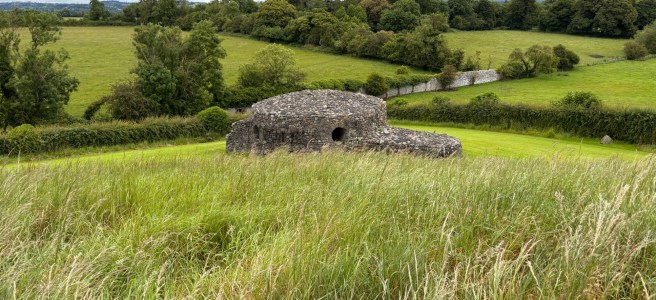
On our last full day in Ireland, we figured out how to take a commuter train from Connolly Station in Dublin to Drogheda (about 45 minutes away) and then grabbed a cab to the Brú na Bóinne Visitor Center—commonly referred to as “Newgrange.”
Brú na Bóinne is one of the world’s most important prehistoric archaeological sites. Older than both the pyramids and Stonehenge, it’s home to the massive passage tombs of Newgrange, Knowth, and Dowth. With advance tickets, you can tour Knowth and Newgrange with a guide.
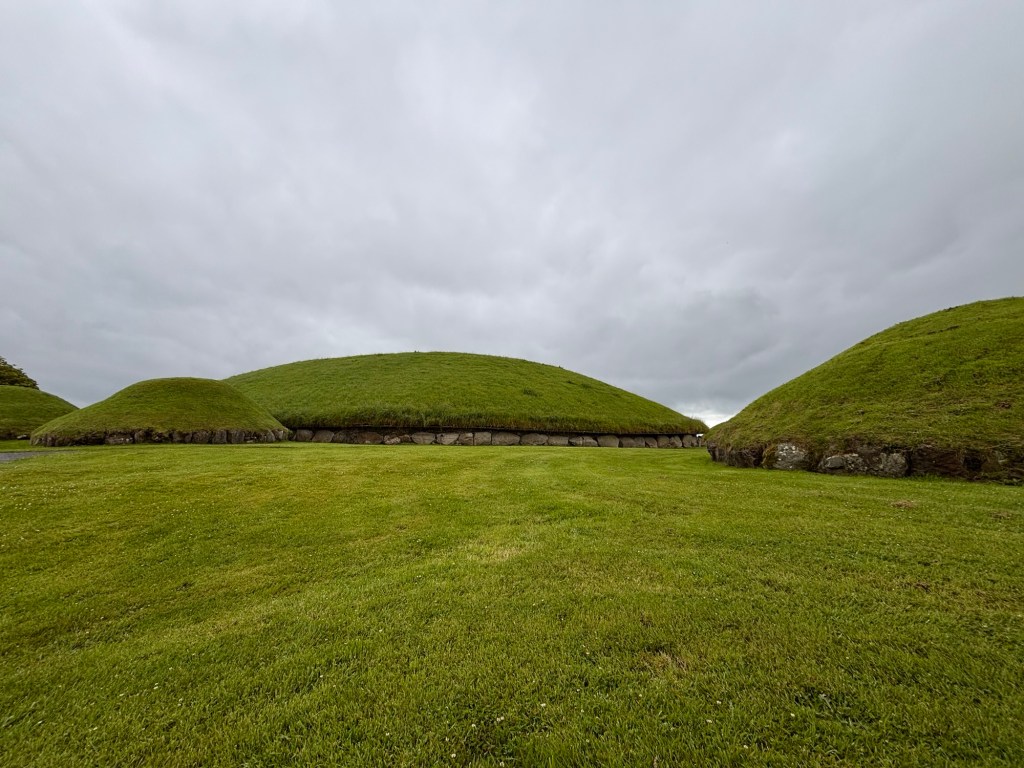
Knowth (dating from 3,200 BCE)
Knowth includes one large central mound surrounded by 17 smaller satellite mounds.
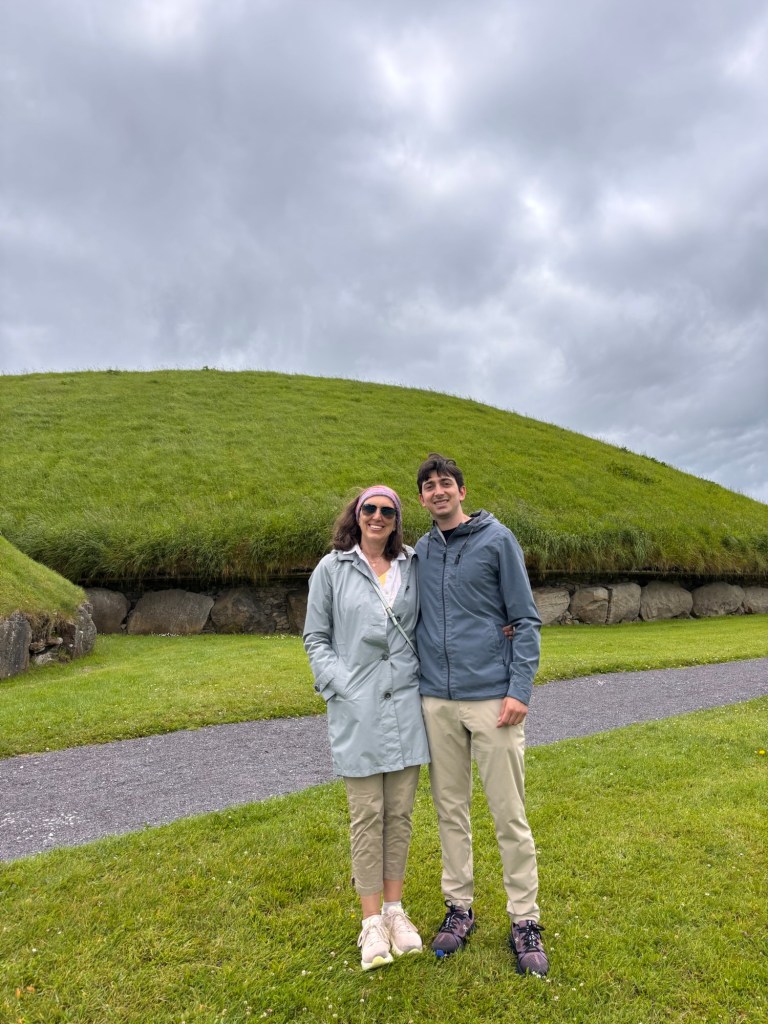
The large mound at Knowth (behind us) features two opposing passageways—one facing east and the other west—which are believed to relate to the equinoxes.
The decorated stones around the bases of the mounds are referred to as kerbstones. These large stones feature intricate megalithic art, including spirals, concentric circles, and other abstract motifs carved by Neolithic peoples.
Hard to make out, but experts believe this is an ancient lunar calendar on a kerbstone at Knowth.
The view from atop the largest mound at Knowth. We happened to visit on Father’s Day (which is the same day in Ireland) and there were Irish fathers and sons visiting too! ☘️
You can ascend to the top of the largest mound at Knowth and actually go inside the Newgrange tomb through a narrow, rocky passageway to experience this 5,000 year old sacred space which was engineered with astonishing precision to align with the solstice sun, when it miraculously lights the inner burial chamber.
Newgrange (3,200 BCE)
It’s a surreal feeling to stand in an underground chamber built by humans 5,000 years ago. At one point, the guide extinguished all light in the tomb, submerging the chamber into pitch blackness, and then demonstrated with an artificial light how the chamber lights up (for about 17 minutes) on the winter solstice.
The entrance to Newgrange—the opening above the door that allows light to enter is called “the roof box.” It was ingeniously designed to align with the rising sun during the winter solstice, allowing sunlight to illuminate the inner chamber—an extraordinary feat of Neolithic engineering and astronomy.Detail of the Kerbstone at the entrance to Newgrange. No photography was allowed inside the tomb (a rule I reluctantly obeyed!), but there was a magnificent stone inside the chamber with a similar (but perfect) tri-spiral.This is a postcard picture of the tri-spiral in the chamber. Isn’t it beautiful? What do you think it means? The experts can only guess. The exterior wall of Newgrange This is a replica of one corner of the Newgrange chamber in the Visitors Center. It shows how the light first comes in on the winter solstice. The actual chamber was much bigger and very tall when we stood inside it, with large recesses on three sides for sacred objects, including one with the perfect tri-spiral stone.
It is believed that the passage tombs of Brú na Bóinne were Stone Age burial sites for high-status individuals, where cremated human remains were placed in stone basins within the chambers. These tombs reflect a Neolithic belief system centered on death, ancestor worship, and a deep reverence for cosmic cycles—especially the sun.
In addition to human remains, archaeologists have found animal bones—including those of cattle, birds, and dogs. It is thought they had ritual significance, possibly as offerings or symbolic companions in the afterlife, reflecting complex spiritual beliefs that linked humans, animals, and the natural world.
Pre-Christianity is fascinating, right?? Because nobody really knows what they believed or were actually thinking! What do you think?
![A logo for "50 Happens," [a site dedicated to Gen X women with children and grandchildren] [who embrace life's challenges with humor and resilience], [featuring a modern and uplifting design] [that embodies strength and positivity] [with an elegant and playful style] [and a harmonious blend of colors like pink, fuchsia, purple, and blue].](https://50happens.blog/wp-content/uploads/2024/12/img-5uorrxvwartomopcpuhjfjd0.png?w=300)