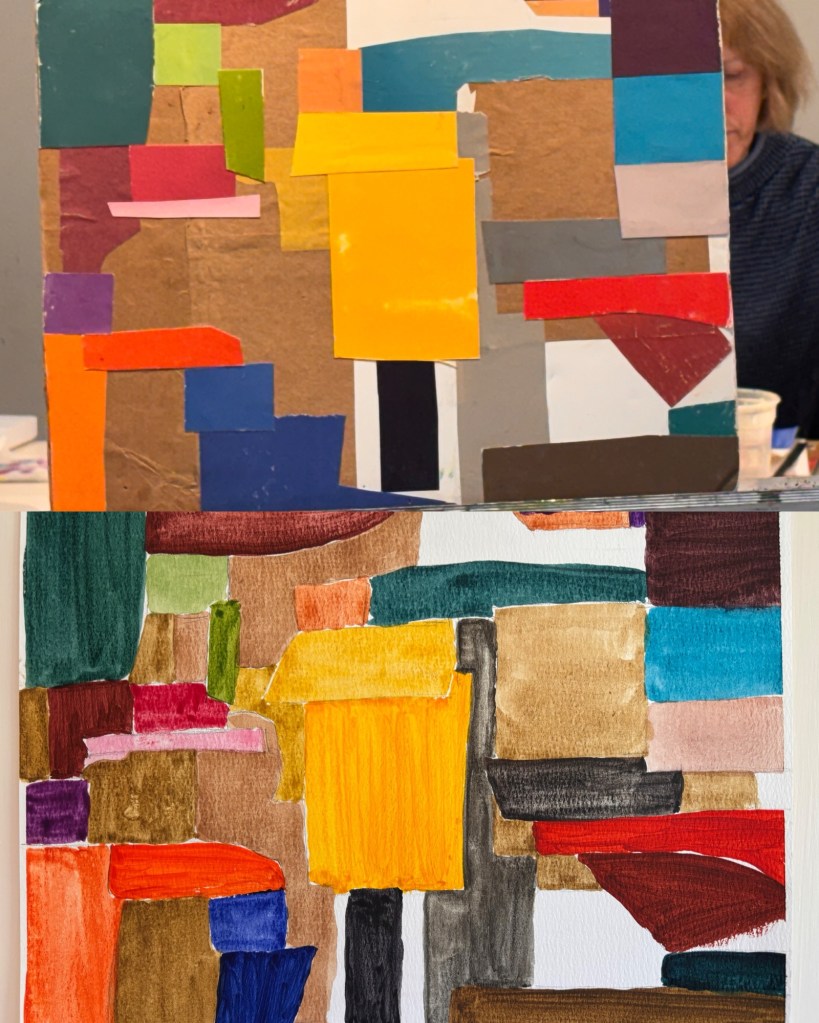
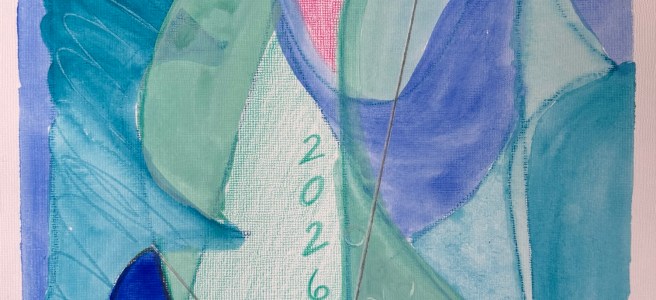
This week our watercolor drill sergeant made us copy a colorful abstract collage. The point was to recreate each color as accurately as possible. It was really hard!
I did OK on the color matching but got disapproval for using “subpar” paper which created all those streaks. (I didn’t want to waste my expensive paper on what was essentially an exercise.)
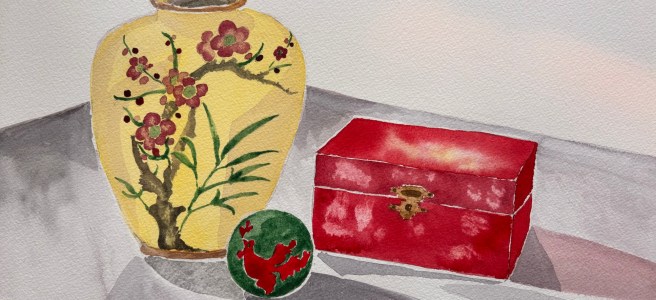
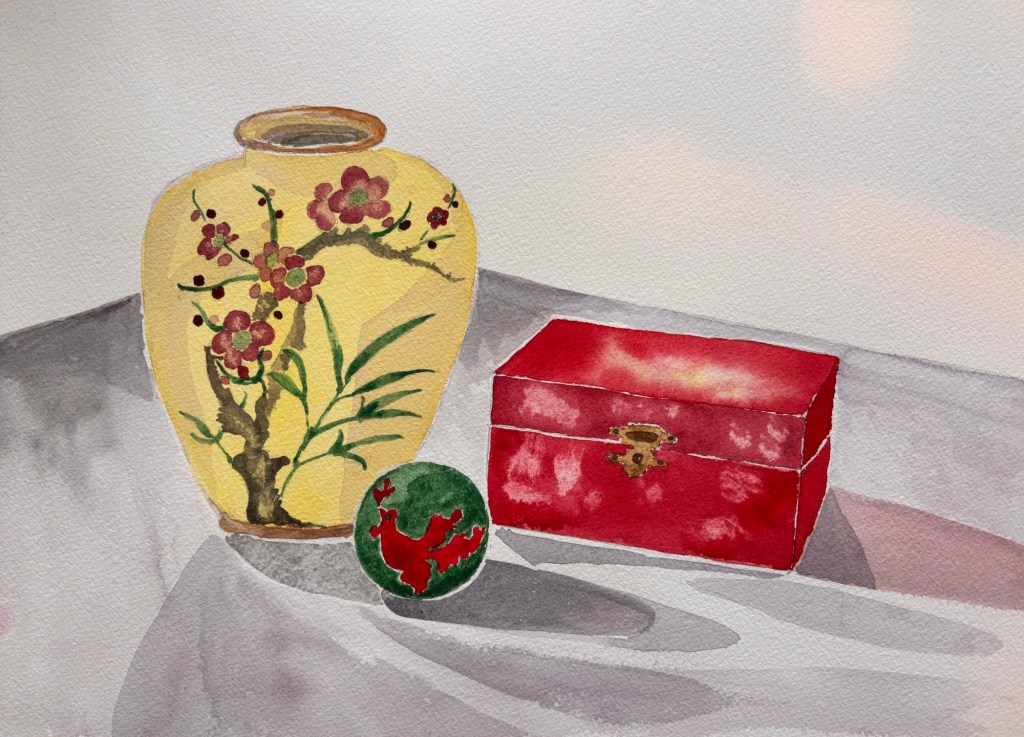
The homework was to paint a still life comprised of colorful objects, getting the colors as close as possible. Again, hard.
Here’s my homework. I’m pretty happy with it although the yellow is not right. I think I went too light on the yellow because I knew I was going to paint those flowers over it. (It would’ve been too much work to mask out that whole flower area. )
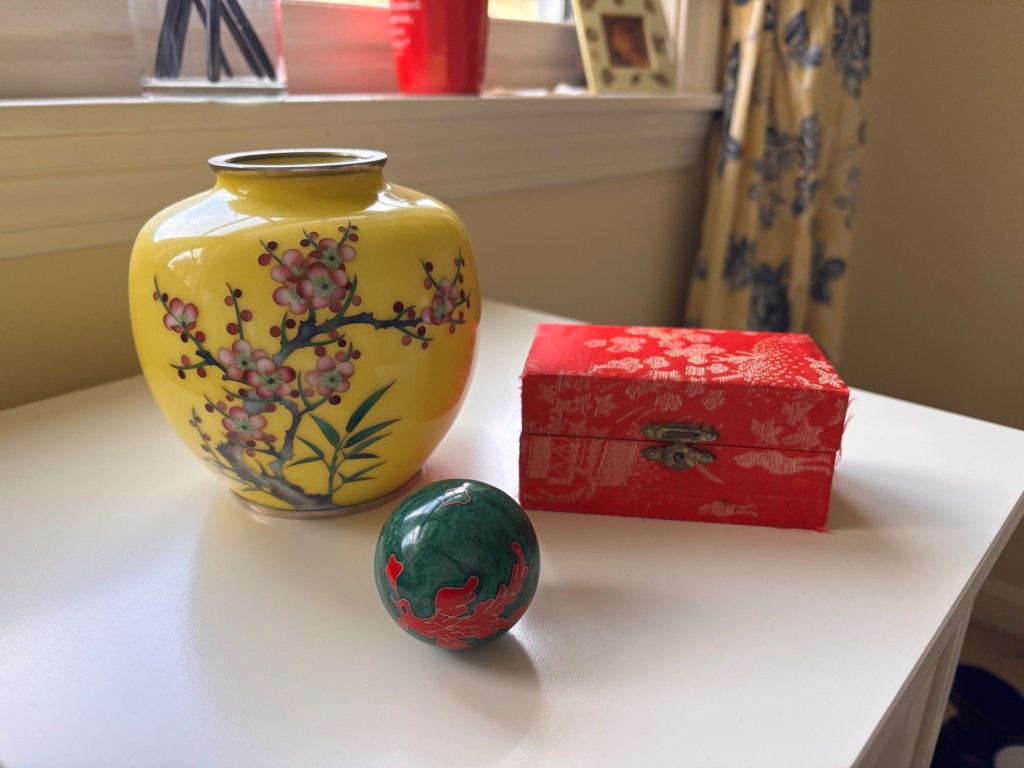
Here’s what I was looking at—a collection of objects from China and Japan that I happened to have in my house.
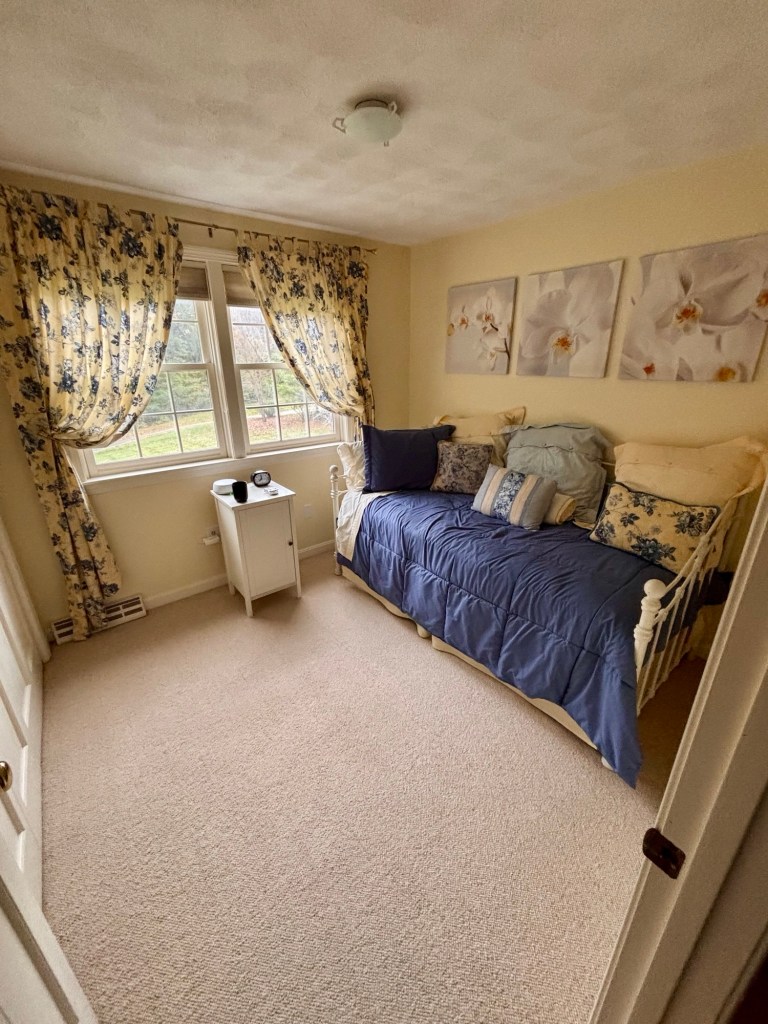
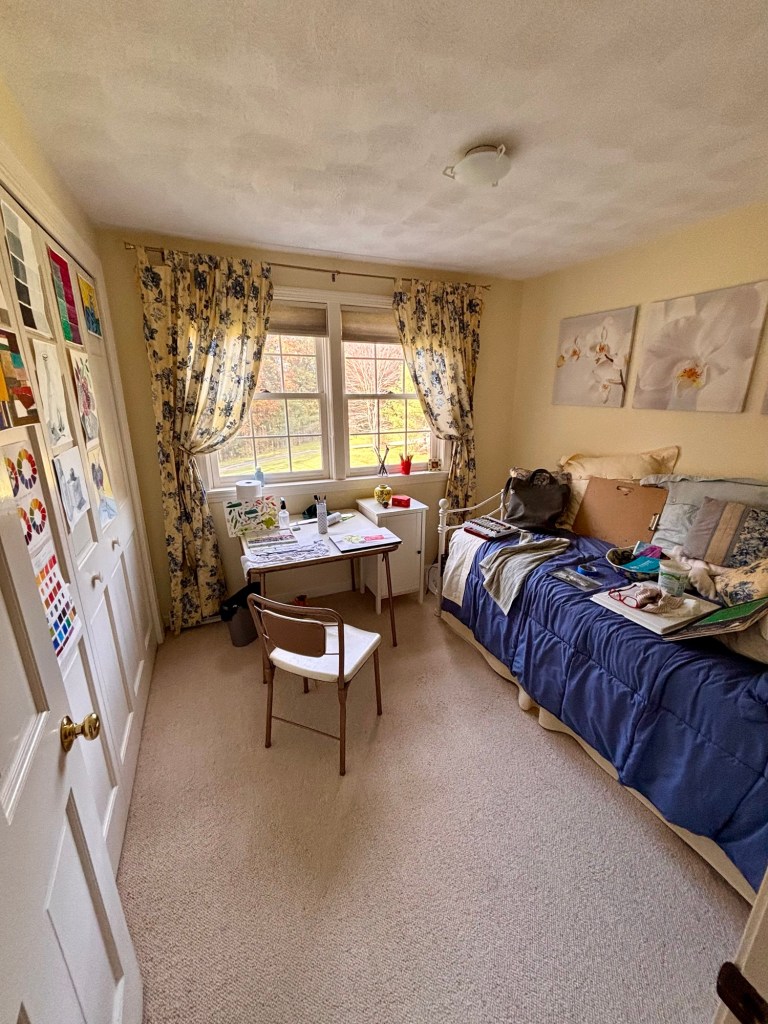
In other exciting news: I decided to move all my painting and drawing stuff out of the dining room and into an extra bedroom upstairs. So I guess I have a “studio” now.
Cute bedroom with nice light that nobody ever used
This is not ideal, but it’s better than the dining room. That card table I’m painting on was my parents. I think it was made in like 1960. It has some sort of faux leather covering that smells moldy. I need to get rid of the daybed and get a new, larger table.
I’m now embarking on Year 2 of my watercolor “journey” 😉
After two sessions of “loosen up with watercolors,” I signed up for something called “watercolor bootcamp.” I probably should’ve taken this class first, but the description scared me off. It’s a watercolor techniques class with heavy emphasis on color theory, color mixing, etc. We spent a whole three-hour class mixing greys. There is homework. There are in-class critiques of the homework.
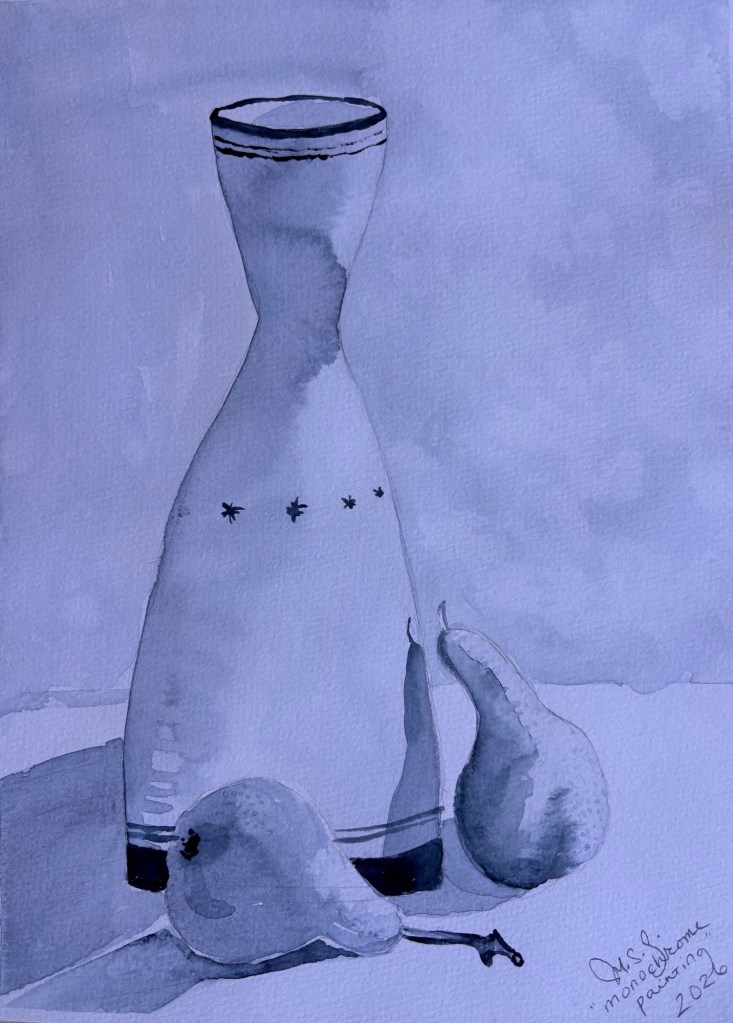
The very first homework assignment was to do a monotone (one color) painting of three objects with a clear light source.
I used Payne’s Gray.
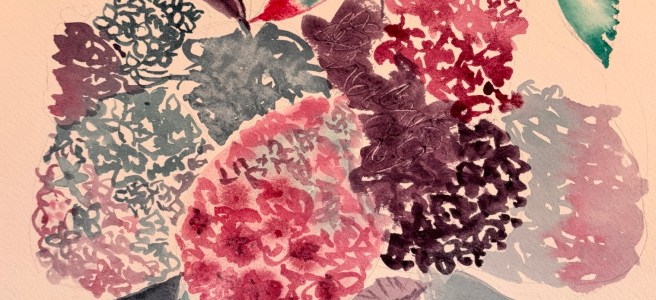
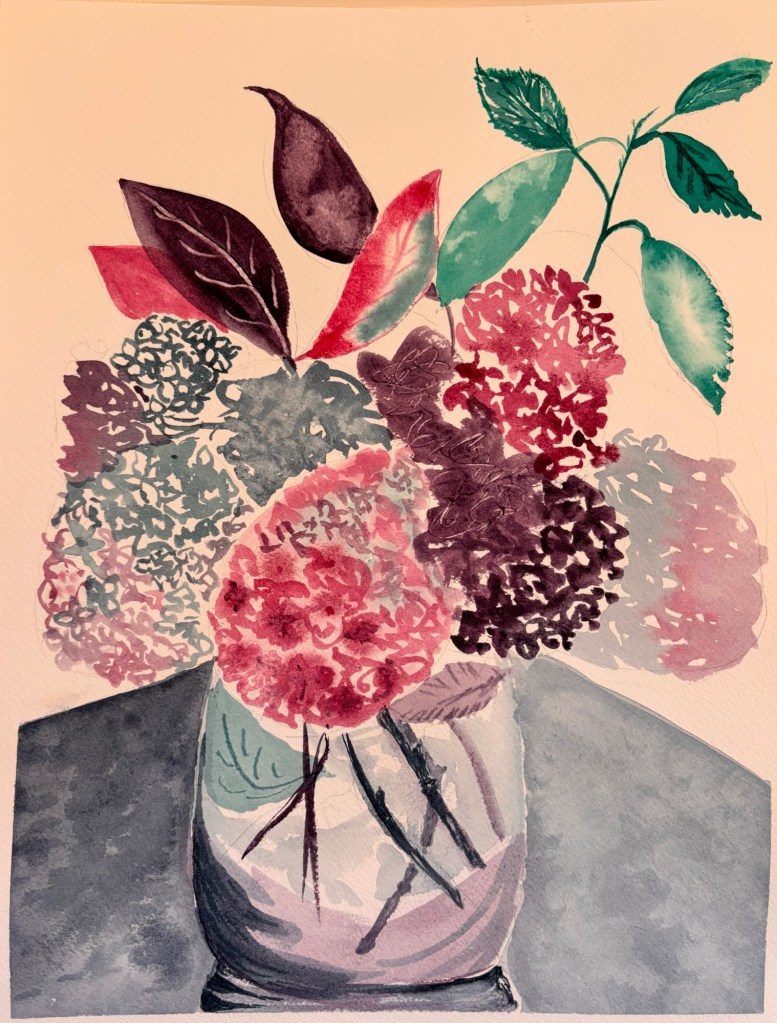
For this week, we had to do a “complementary color” painting. So two colors that sit across from each other on a color wheel. (Red/Green; Yellow/Purple; or Blue/Orange)
I used only Rose (Red) and Phthalo Green to paint these hydrangeas.
I didn’t spring for all the expensive professional-grade paints that are on the syllabus. (There’s a syllabus!) I’m using what I have and will buy new stuff as needed. Jury is out on whether I’m going to like this class. It’s a bit intense so far. Bootcamp.
1.) Set-up the coffee the night before so you only have to press start in the morning.
2.) Pre-made, roll out pie crusts, specifically these:
3.) If a British lady sits next to you on Day 1 of an adult watercolor class and announces to everyone that she has ADHD and then demands so much attention from the teacher and others that you feel like you’re being pranked, move your seat for the next class.
I’ve been enjoying participating in the arts (a lifelong love) more than ever, now that I’m retired from paid employment.
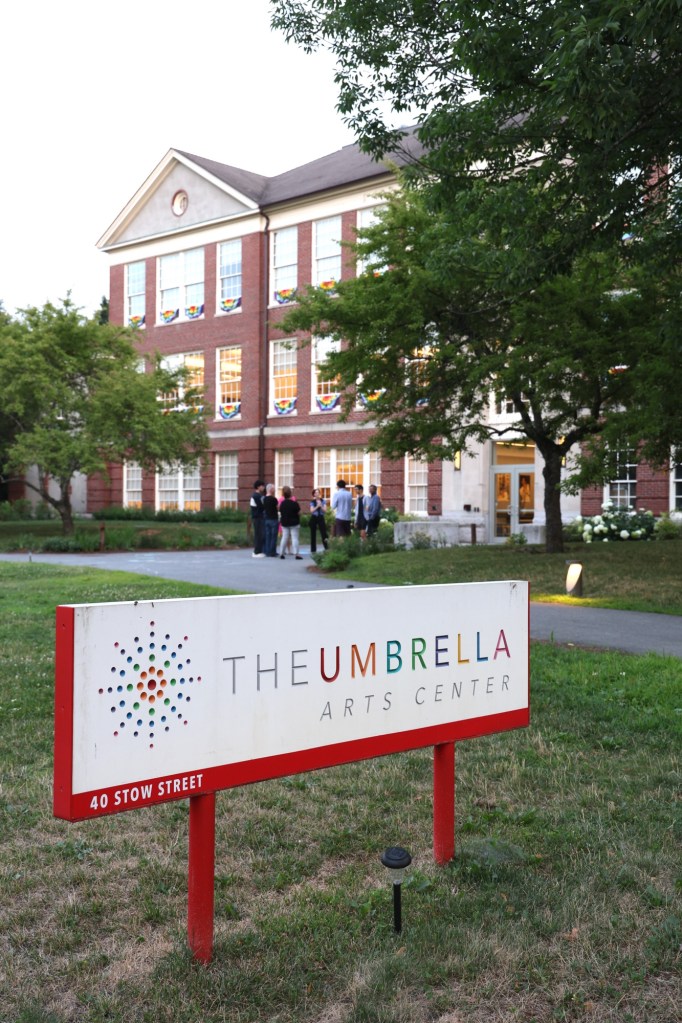
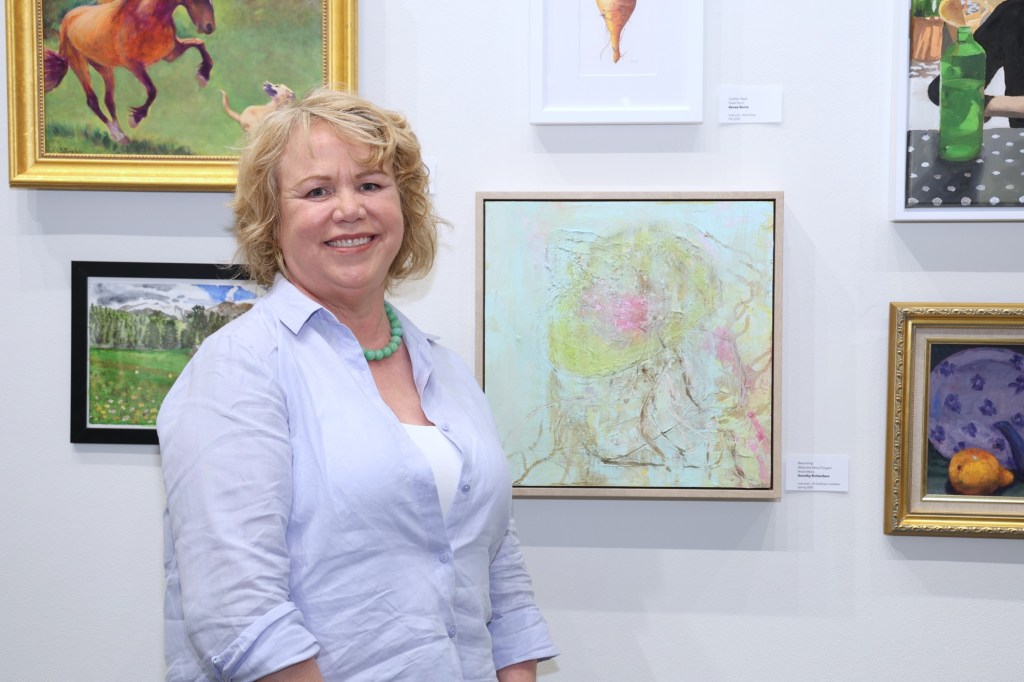
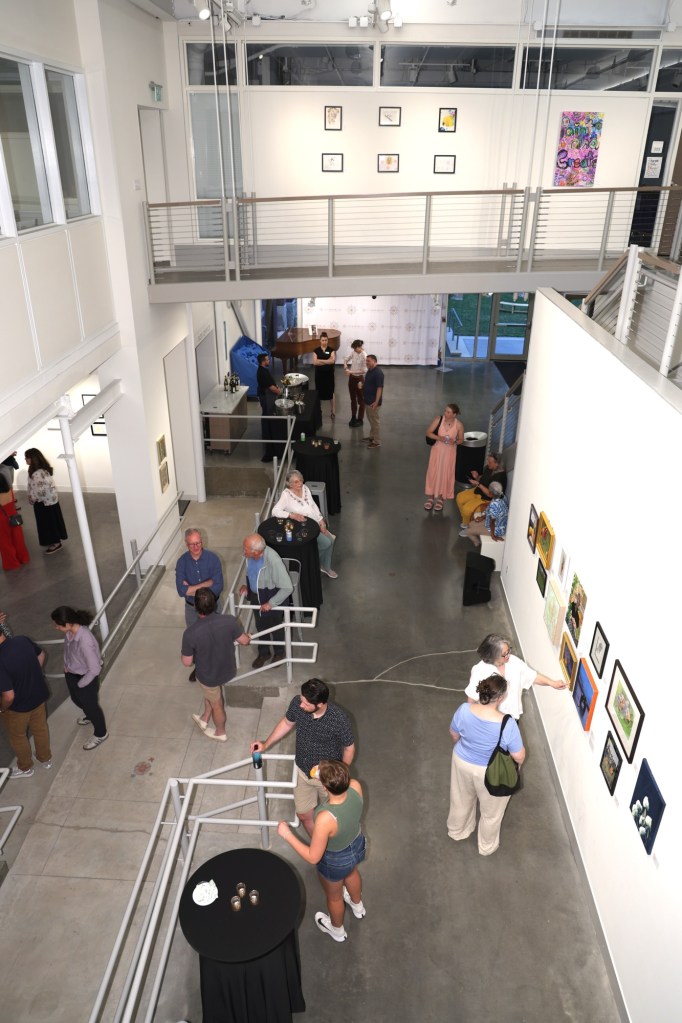
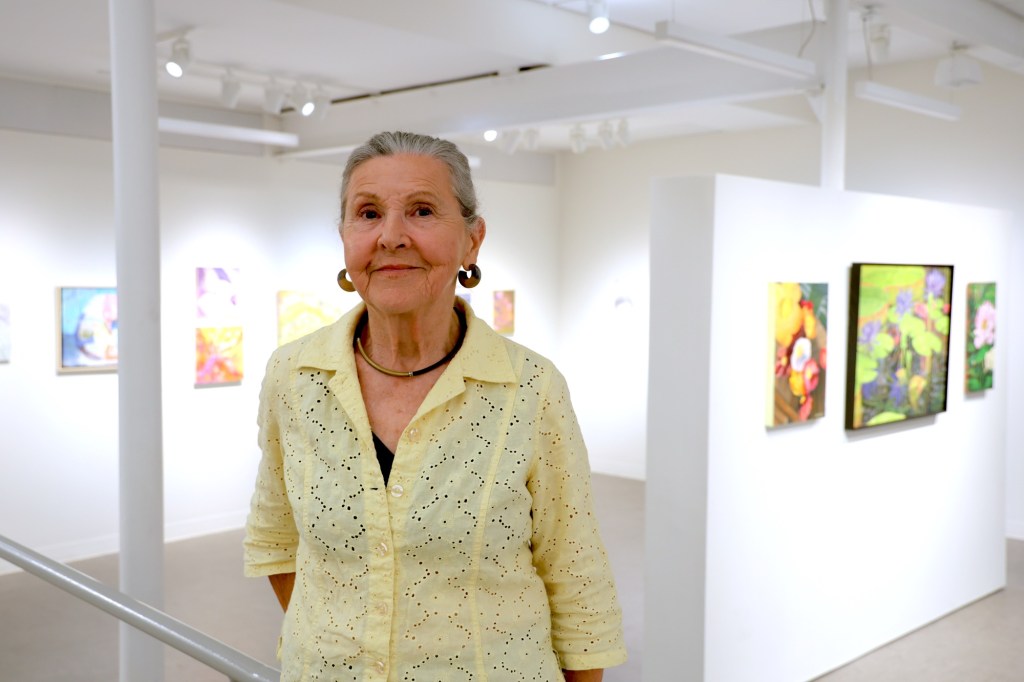
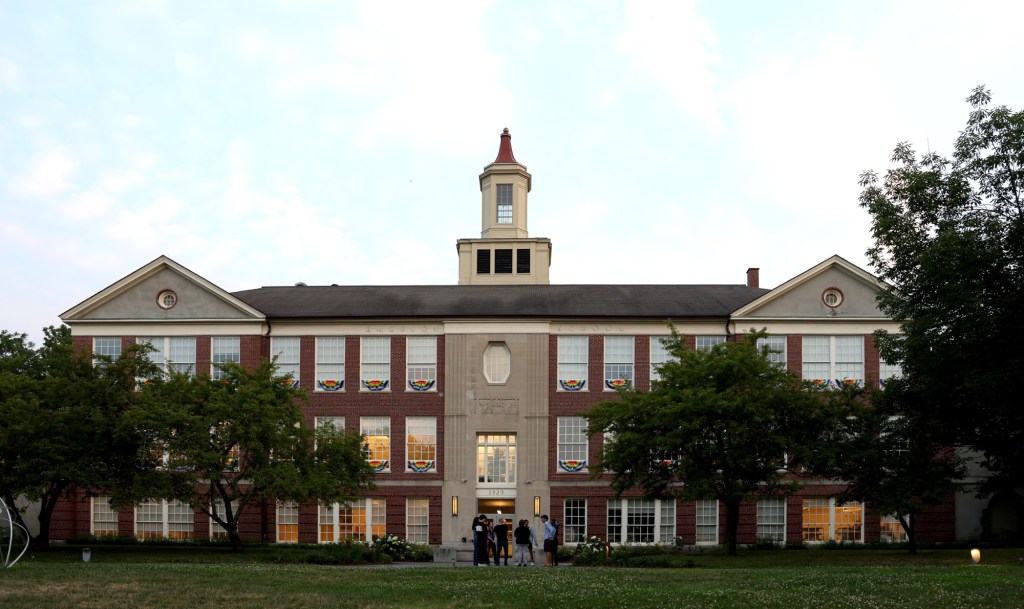
I took my first watercolor classes at a lovely community arts center in the fall of 2025 and spring of 2026. I was asked (as all students were) to submit something for an end-of-year student art show. I did not win a prize, but I got to see my painting up on the gallery wall and mingle with lots of other students at the opening reception. Also, I figured out which teacher I want to learn from next.
All photos by Gregory Ciccarelli.
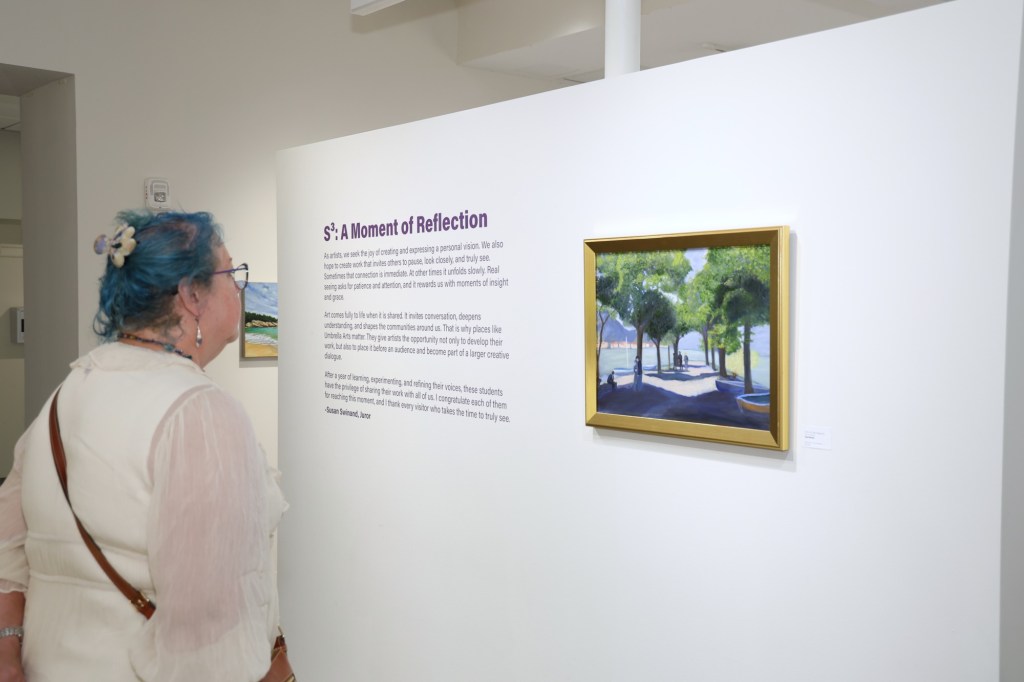
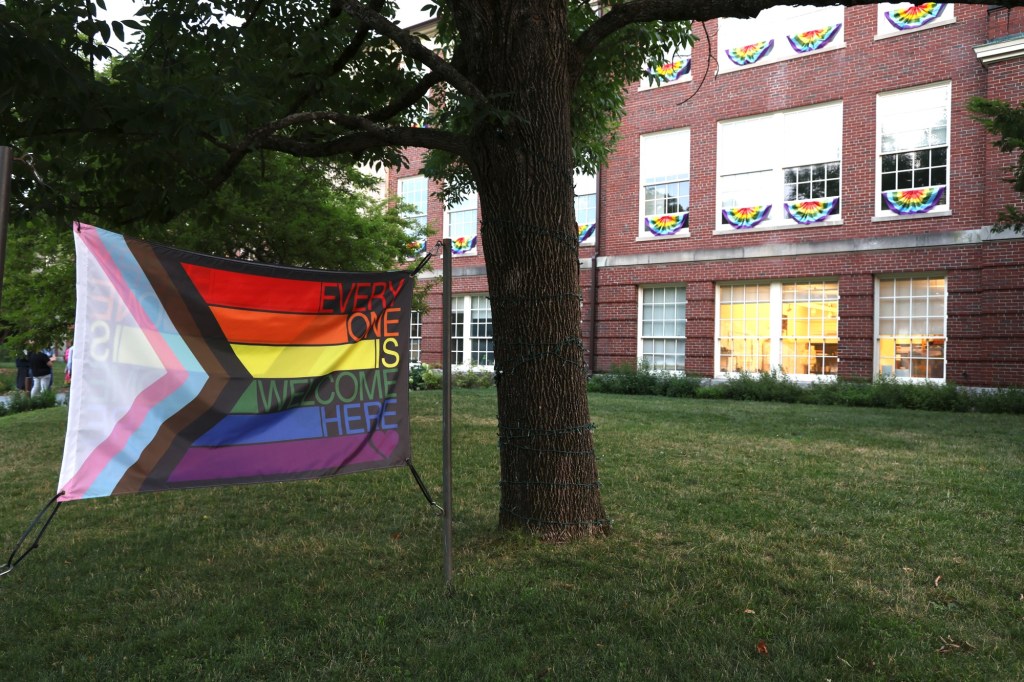
The theme of the Student Summer Showcase is S³: A Moment of Reflection, which was described like this: “We are experiencing difficult times with heightened division and misunderstanding, and we believe that art is the great connector. Art helps us take a moment to be introspective, muse about our personal mission, express feelings and emotions that can’t be described in words. S³: A Moment of Reflection means to give our community a space to come together and reflect on our personal journeys as student artists, community members, and human beings.”
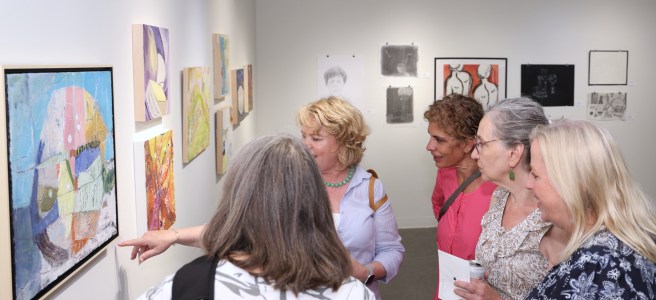
My husband and me checking out the art
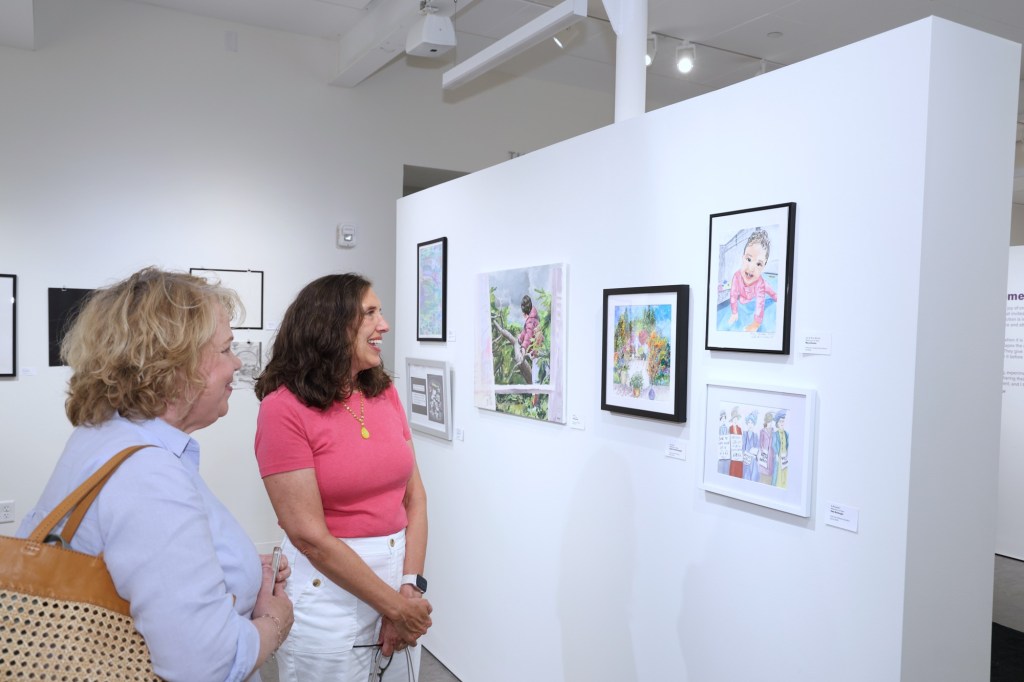
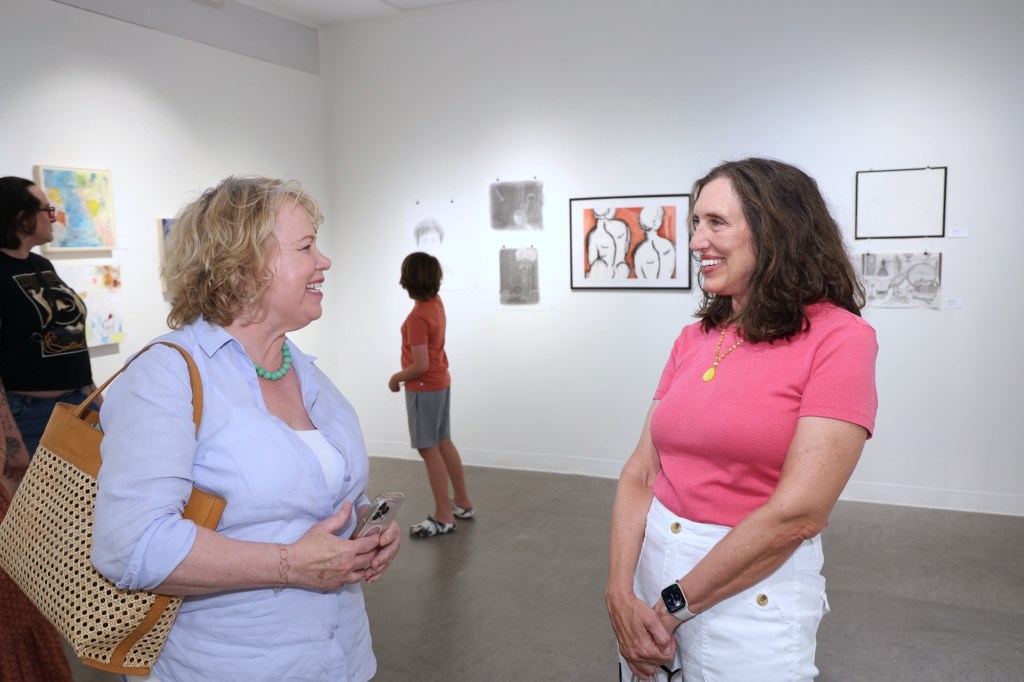
A friend I met in class and me looking at my piece (top right)
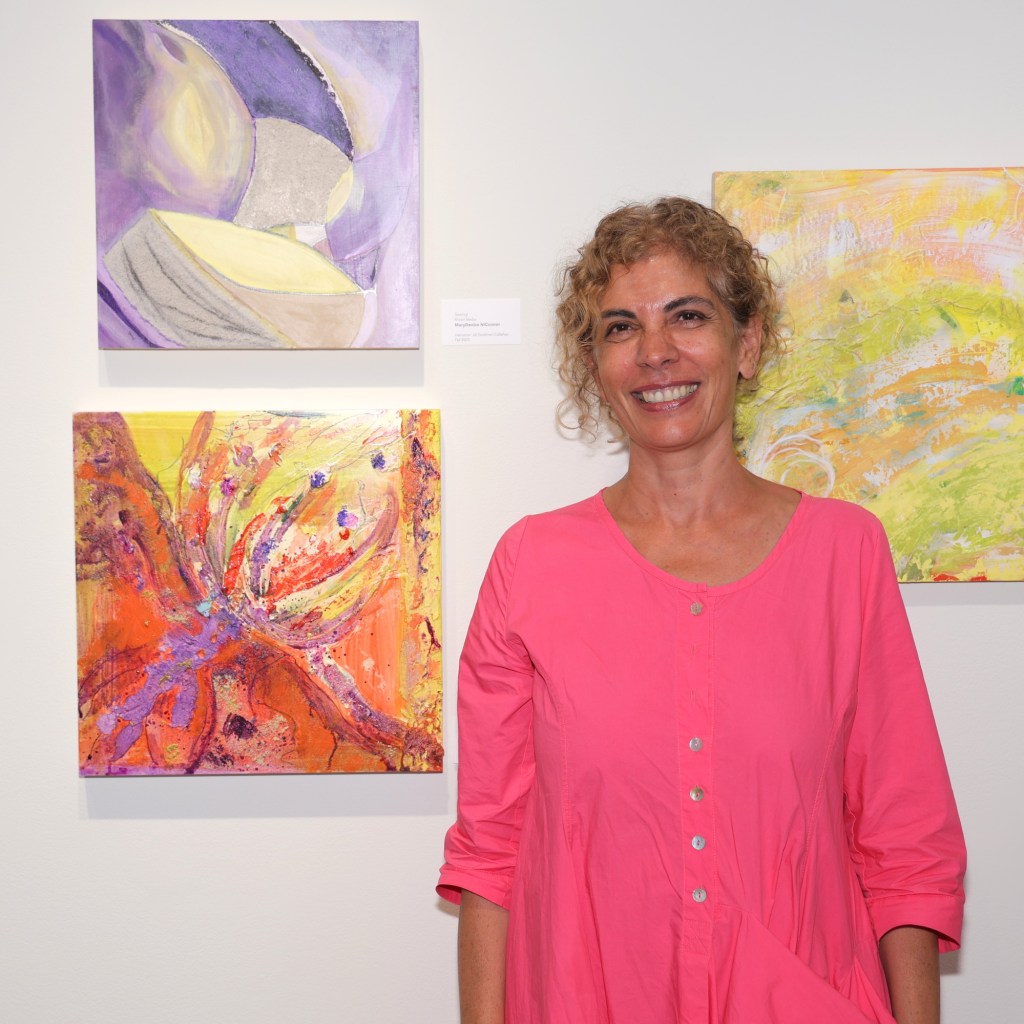
My friend and her piece
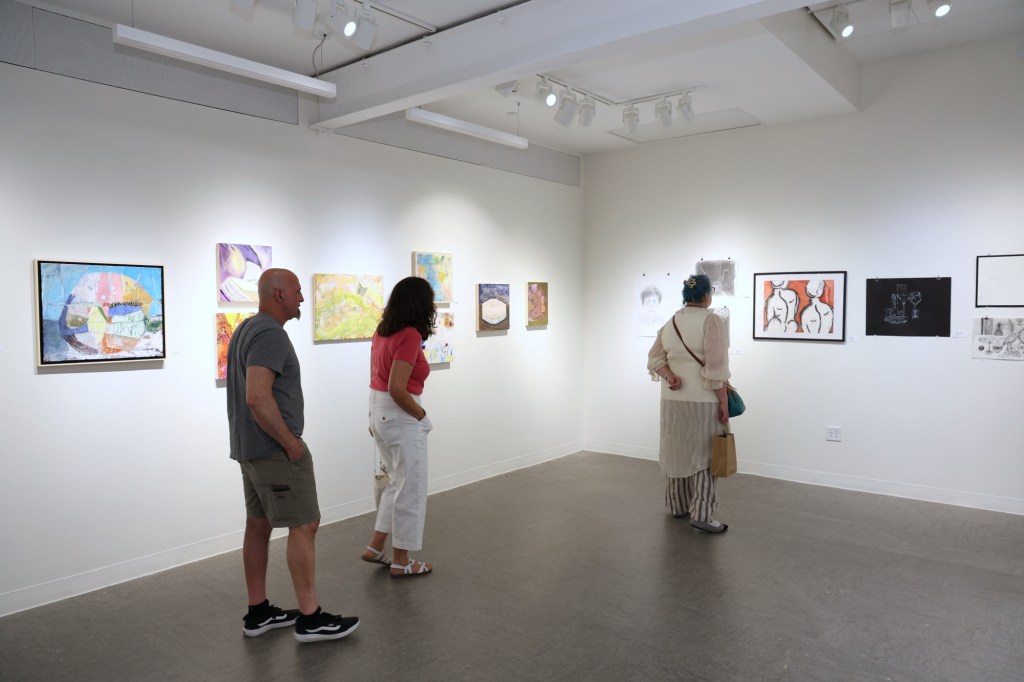
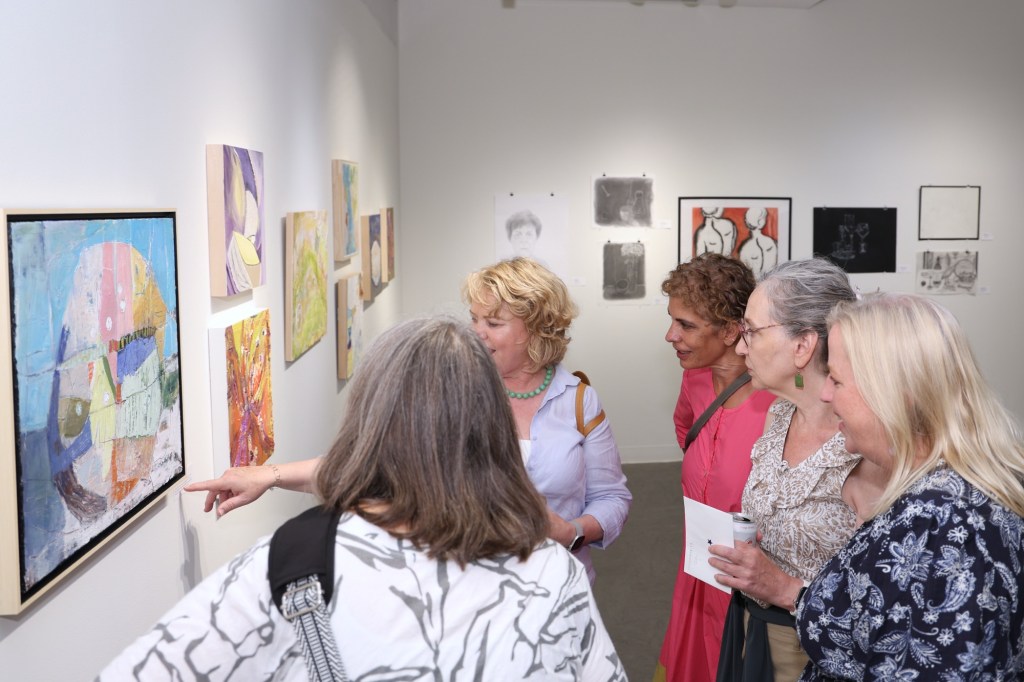
Some of the abstract pieces were really great
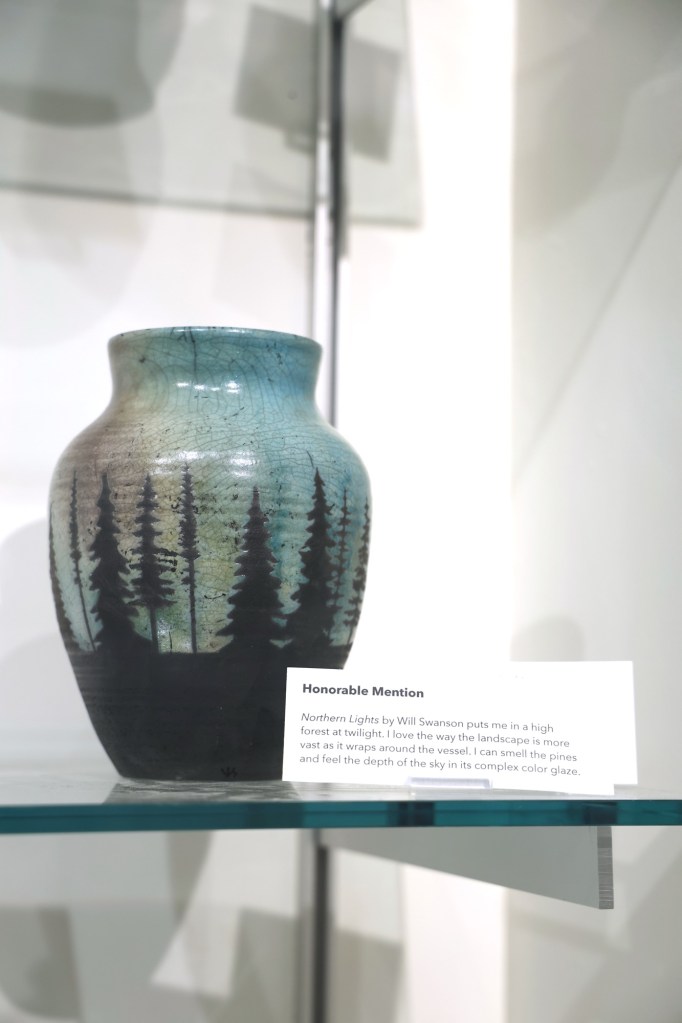
There were ceramics too
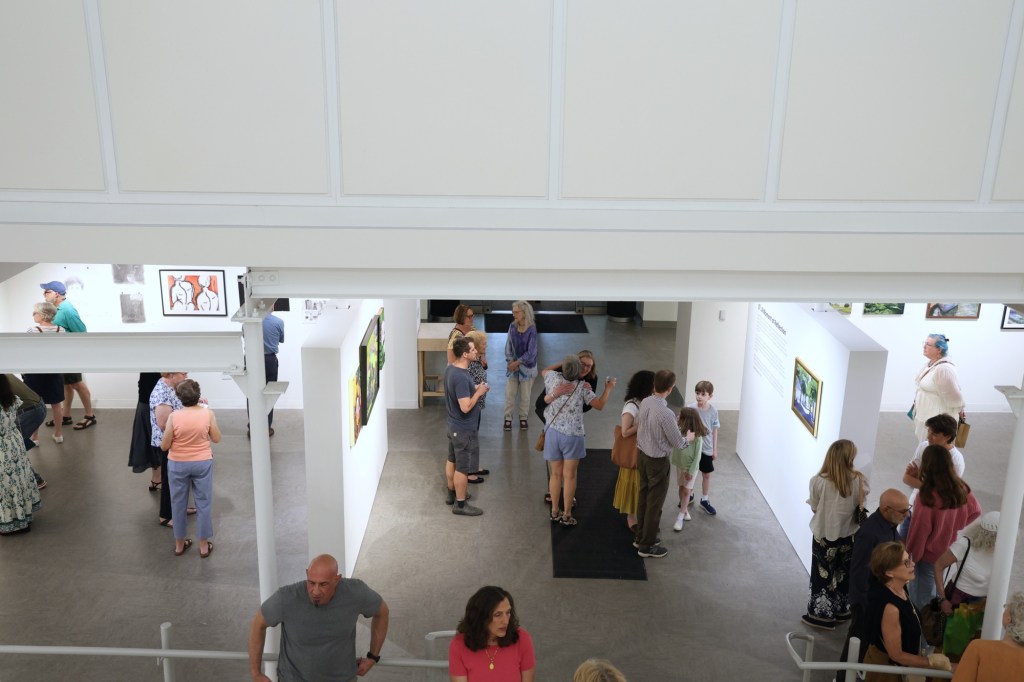
There was art on two floors
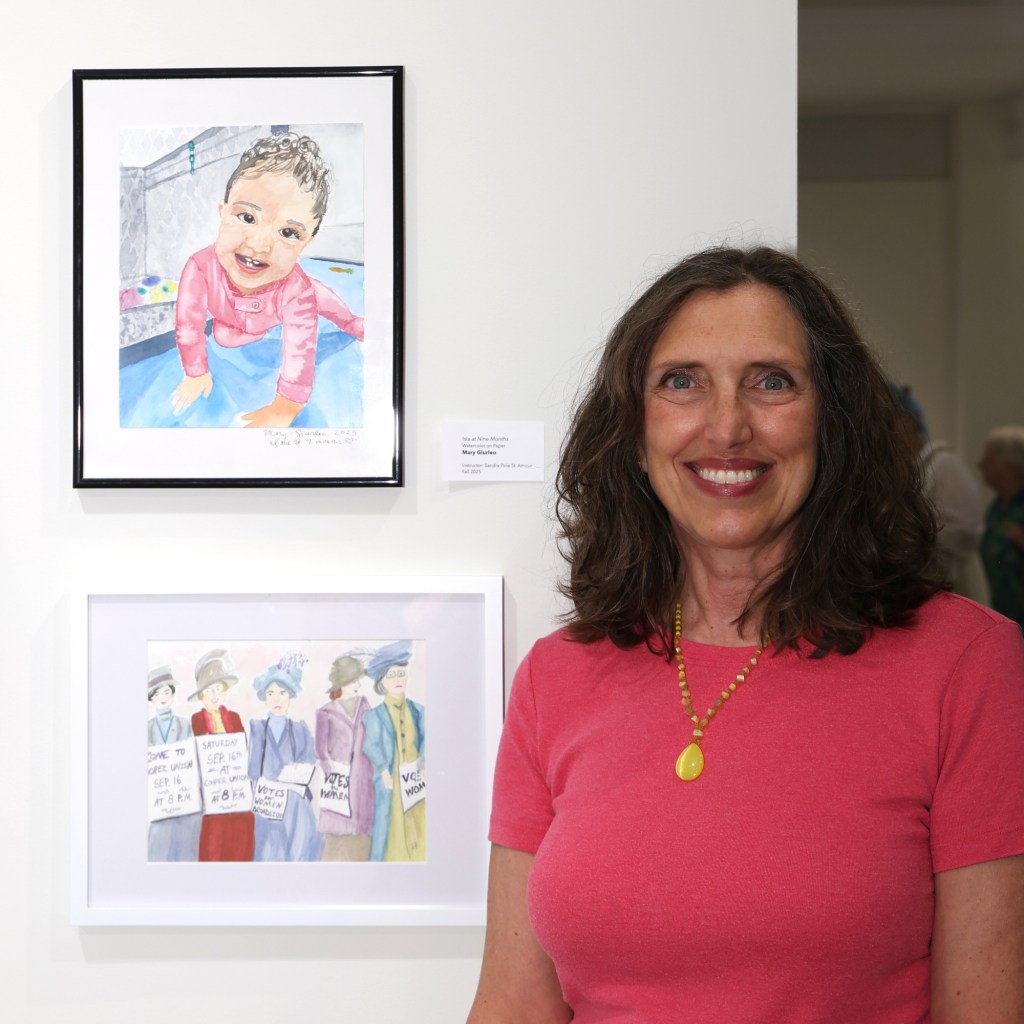
Me and my piece: a portrait of my granddaughter at 9 months old
The piece they’re looking at here is titled “Have You Seen My Glasses?” 😂 It won a prize.
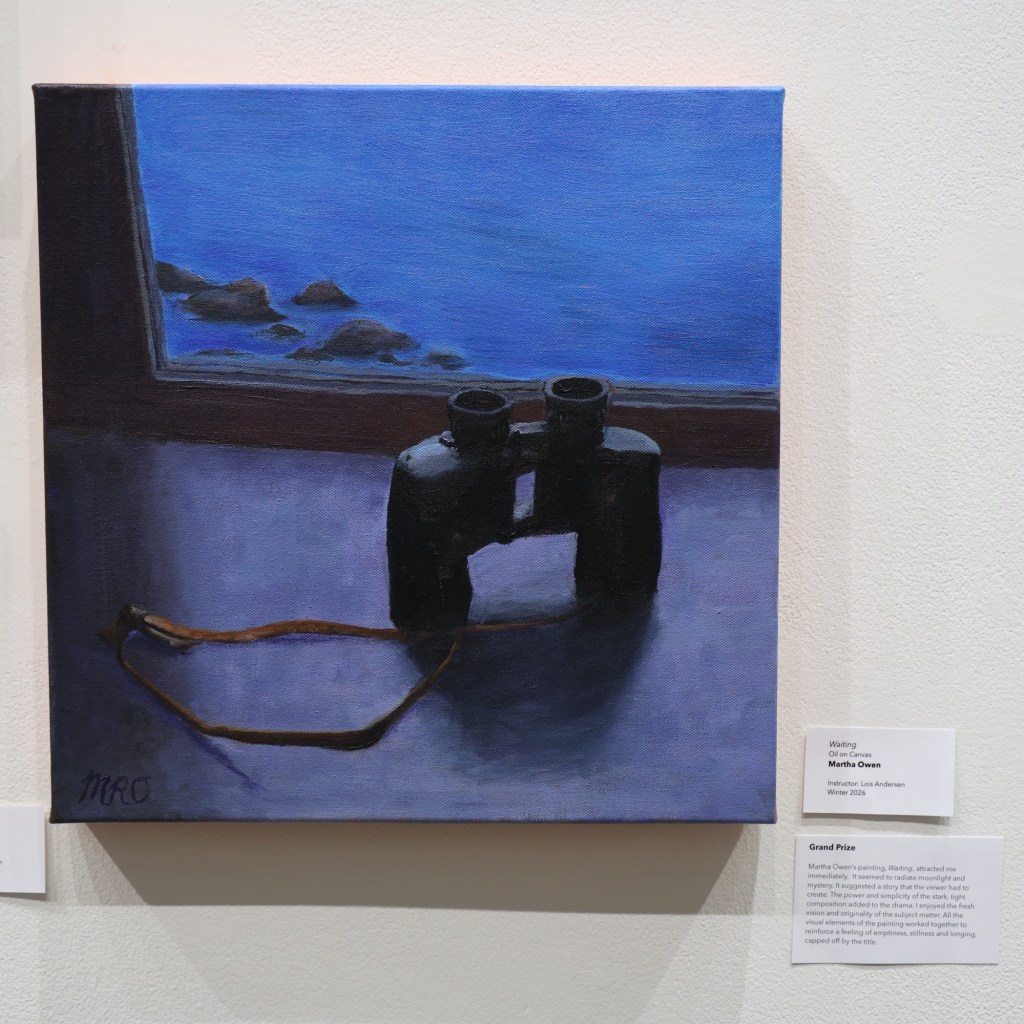
The Grand Prize Winner is an oil painting called “Waiting” which is very cool. Reading the judge’s comments, you can see how a good title can truly impact a viewer’s understanding of a piece.
“Martha Owen’s painting, Waiting, attracted me immediately. It seemed to radiate moonlight and mystery. It suggested a story that the viewer had to create. The power and simplicity of the stark, tight composition added to the drama. I enjoyed the fresh vision and originality of the subject matter. All the visual elements of the painting worked together to reinforce a feeling of emptiness, stillness and longing, capped off by the title.”
The judge fully acknowledged that art is subjective. She said she chose pieces that spoke to her.
I’ll definitely take another class here next year.
The whole thing felt supportive and not competitive.
Yes, but I “study” what I want. I got my BA in History and never went back for a graduate degree because they all sounded so boring and cost too much money. MBA? (snooze fest) Law School? (are you joking?) A Master’s in History? (not interested)
And when I was working, I was never big on “professional development.” I only took the required stuff on topics like cybersecurity. All those LinkedIn courses and certifications on business-y topics were available to me, but I hardly ever opted in. I felt like the best way to get better at my job was to do it, and since I was a fundraiser, the proof was in the pudding. I raised millions of dollars for my employers and clients. Nobody cared that I didn’t have an MBA.
Courses I took outside of work included Italian, photography and music (singing lessons). Now that I’m retired, it’s been studio art classes that interest me most, particularly watercolors.
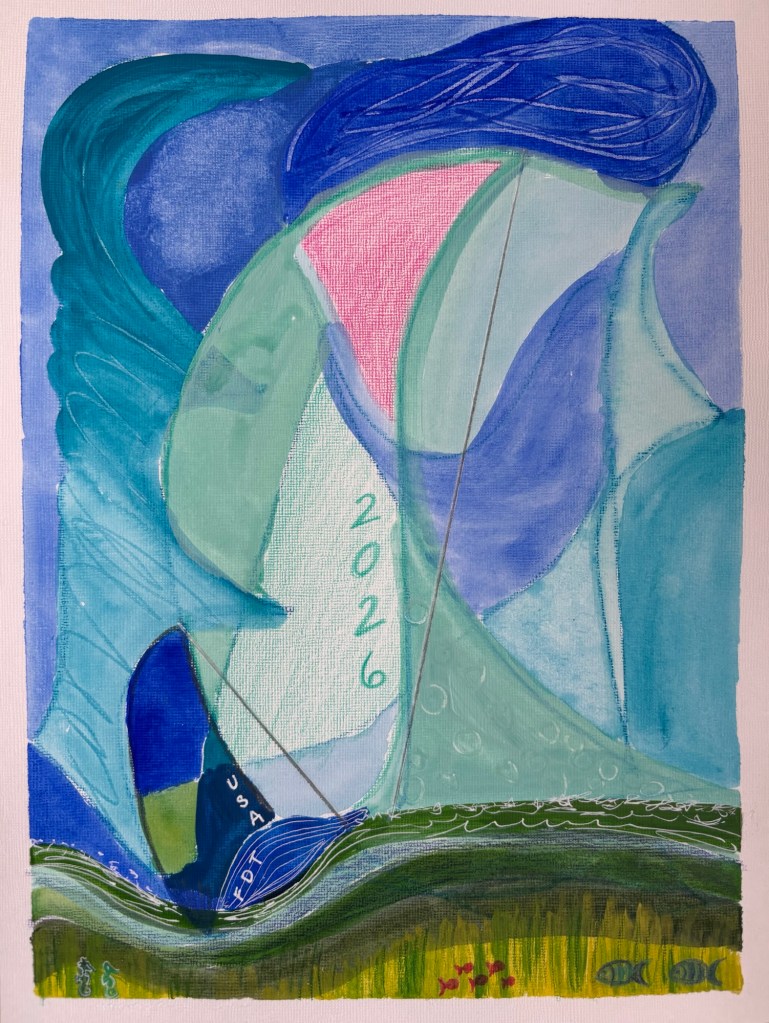
In fact, just yesterday I participated in a 2.5 hour class called “Yoga, Meditation and Abstract Art.” It was my first time using acrylic paint in decades. My abstract piece really wanted to become some sailboats on a green sea, so that’s what happened.
This started as an abstract, but then a couple of sails emerged. “The FDT” is part of the Resistance 😜
What’s the best advice you’d give to someone younger than you?
I feel like the older generations have messed things up so thoroughly that our “best advice” should be taken with a grain of salt.
However, here are a couple of things my kids have brought up recently in a “you were right” kind of way:
My daughter said it was good that she got ALL her vaccines including the HPV series that some other parents declined. It prevents unnecessary complications later in life, including during pregnancy—a time when you absolutely do not need extra things to worry about!
So, I’d say get yourself and your kids all the vaccines you’re offered, including the annual flu and Covid shots. And people 50+, get the Shingles vaccine for God’s sake. It works and Shingles SUCK. (My husband had it and it was awful.)
In general, avoid the “I do my own research” crowd, especially followers of that quack RFK, Jr. Listen to actual doctors and scientists.
My son said he broke one of my “life rules” on a recent business trip and I laughed. He had forgotten to pack a bathing suit and it turned out his hotel had a lovely pool. I LOL’d, but it’s true, I always say pack a bathing suit, wherever you go. They take up solittlespace and you just never know when an inviting pool, pond, lake, stream, ocean or hot tub will present itself to you.
As a corollary to that, I think everyone should learn to swim well. Make your kids drown-proof. Get them swimming lessons, even if it’s a hassle.
I’m really leaning on all the brave people helping those of us who pay attention to the news get through the absolute degradation of our country that is the second Trump administration.
We recently got a huge dose of inspiration from the Obamas, with the opening of the Obama Presidential Center last week. Their speeches (especially Michelle’s) are incredible. Watching the follow-up videos of the Obamas greeting families and reading library books to children are fantastic too.
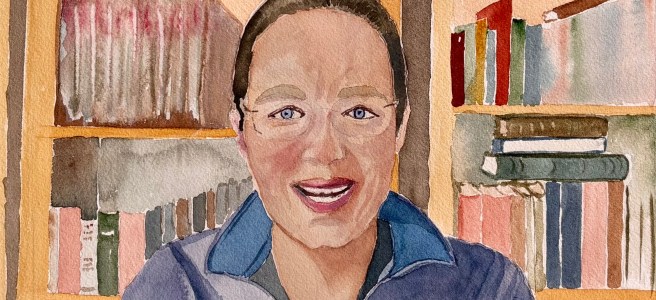
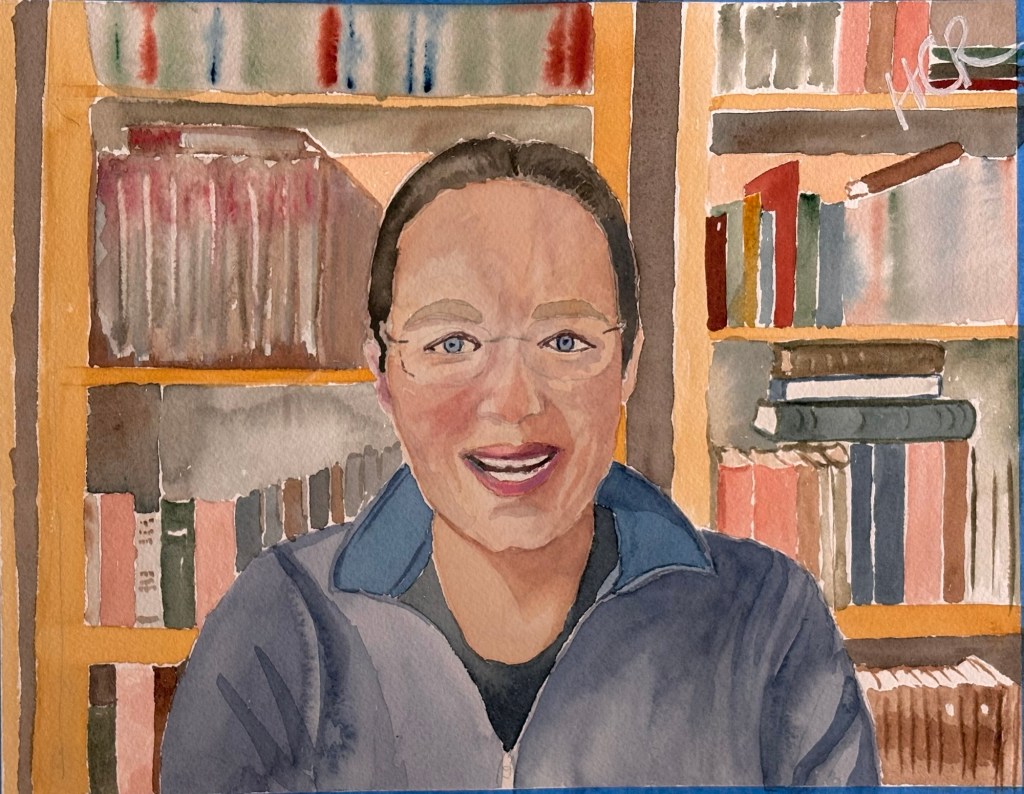
While I was listening to the Grand Opening Ceremony of the Obama Presidential Center, I worked on a watercolor portrait of Heather Cox Richardson that I had started a few weeks ago.
Did you know this mild-mannered American historian gets hate mail and threats for keeping us informed as she does? And yet, she keeps showing up on our small screens and writing her nightly “Letters from an American” which are read by hundreds of thousands (possibly millions) of people each day.
She said her 250 for 250 series is a labor of love for the country she loves. Be sure to watch a few of those short videos, when you get a chance.
This painting actually looks a bit better in person than in the photo. I like how the bookshelves and her pullover came out, but skin tones and face contours are really hard. I do like painting portraits, so I’m going to try to find some YouTube tutorials to practice this summer.
Which inspiring figure should I try to paint next? Should I give Michelle Obama a shot? (I’m actually a bit scared to try her at my current skill level.)
Try your best to remember people’s first names when you meet them or talk to them on the phone. (Yes, the phone! Use it as a phone, young people.)
Then, when you say goodbye (or see them again) use the name.
If you didn’t understand or forgot their name when they first said it, it’s OK to ask them to repeat it – once.
If it’s a difficult name, most people have a trick for you. For example, I met a guy named Goker at my local convenience store. (He works there. I see him a lot.) First time I met him, he said “Goker – rhymes with joker.” Now it’s locked in my brain.
Doing this will make you more engaging, likable, caring, and friendly.
Our fellow humans are really all we have to help us get through this life “successfully.” Learn their names.
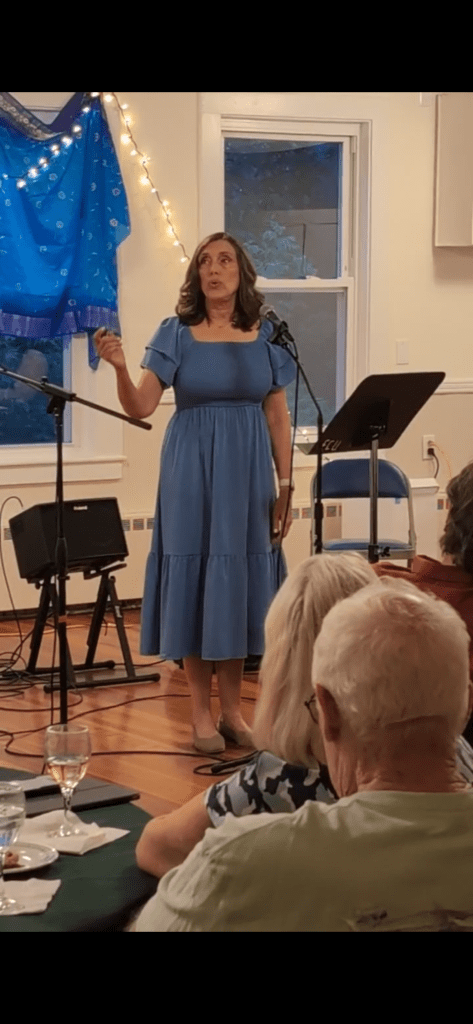
In the spirit of trying new things in this new phase of my life (aka Retired Grandma), I performed a full length solo song in a “Café Musicale” fundraiser at my church last night. It was set up like a cabaret with lots of round tables and a decorated central buffet with desserts & apps and twinkling lights and candles. There was a variety of acts, including a couple of bands, duos, trios and two other soloists (one of whom was a professional).
I sang Anthem from the 80s musical Chess. In the show it’s sung by a Soviet chess player who is thinking of defecting. When I heard it recently, it resonated with me in a new way given all that Americans are experiencing with a wannabe dictator in office. I had a fantastic professional accompanist on piano.
I think it went well. I wasn’t overly nervous and I got warm applause and some very heartfelt comments afterwards.
So, as my 60th year is about to wrap up next week, I can truthfully say I’ve already tried some new things in this new decade.
I took watercolor classes and started painting again, successfully performed a solo for a room full of people, and registered for week long Dance Camp.
Oh, and as an update on that art show (where I was disappointed that my painting was hung so high), I found out last night that it was moved and placed at eye level. The organizers apologized for where it was hung originally and said it was one of their favorite pieces in the show! It’s going to travel with the rest of the pieces to a real art museum in October.
Proof of performance. I’m not a professional singer so I’m not going to upload the video of me singing, but it’s a very moving song. You can listen to “Anthem” from the Original 1988 Broadway Cast Album here. The show was recently revived and is currently playing on Broadway.
Undoubtedly the best thing about being 60 has been spending time with my granddaughter. The second best thing has been engaging more in my foundational love of the arts. Painting, singing, dancing and writing this blog have all been so fun and important to me this past year.
As GenXers will remember the old public service announcement: You Gotta Have Art!
I try to have a “one in, one out” policy. For example, if I buy a pair of shoes, there’s probably at least one pair sitting in my closet that I never wear and can get rid of.
I like to keep things in balance and not accumulate.
How’s that for a minimalist answer?
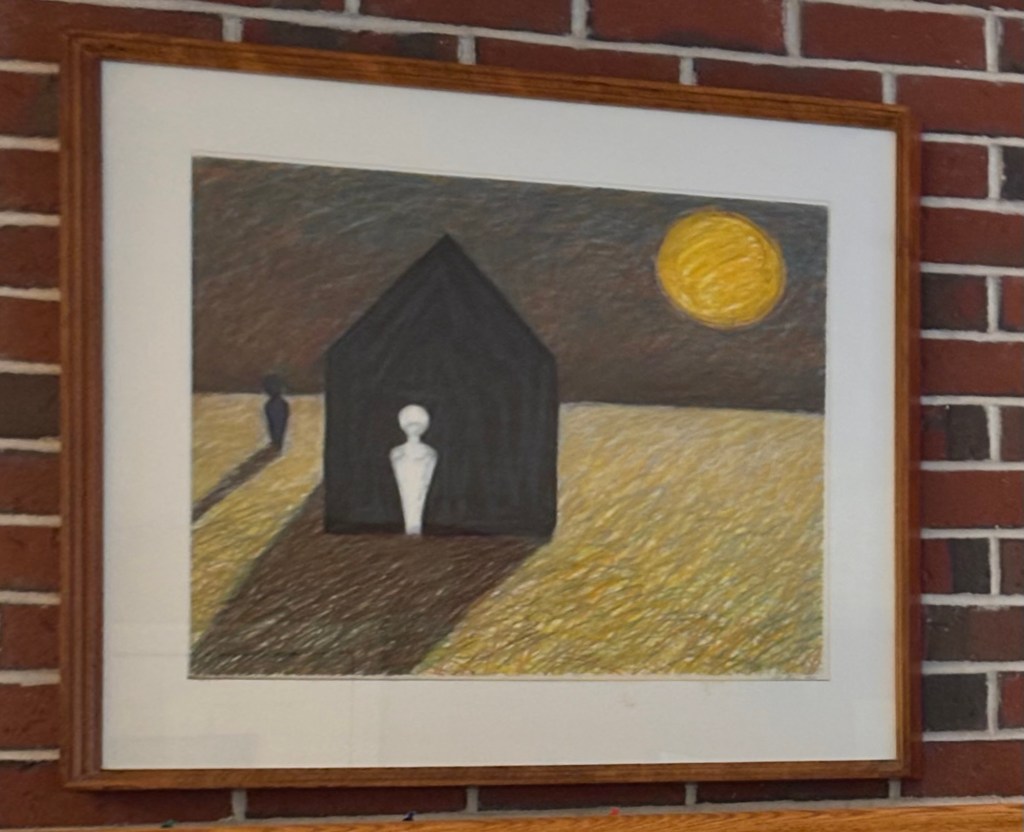
This large pastel piece titled “Dark House” by an artist friend hangs in my family room.
![A logo for "50 Happens," [a site dedicated to Gen X women with children and grandchildren] [who embrace life's challenges with humor and resilience], [featuring a modern and uplifting design] [that embodies strength and positivity] [with an elegant and playful style] [and a harmonious blend of colors like pink, fuchsia, purple, and blue].](https://50happens.blog/wp-content/uploads/2024/12/img-5uorrxvwartomopcpuhjfjd0.png?w=300)