I’m part of a few different communities, but as for the town itself, I mainly vote and pay taxes—lots of taxes.
In fact, I just voted to increase my own taxes to help fund the schools and other municipal services. In Massachusetts, we call that “a Proposition Two and a Half Override.” I have no idea why.
We’ll find out tonight if the override passed.
My feeling is that even though my kids are done with the schools, I want current students to have what they need. But these tax increases are very tough on elderly people with fixed incomes. I see both sides.
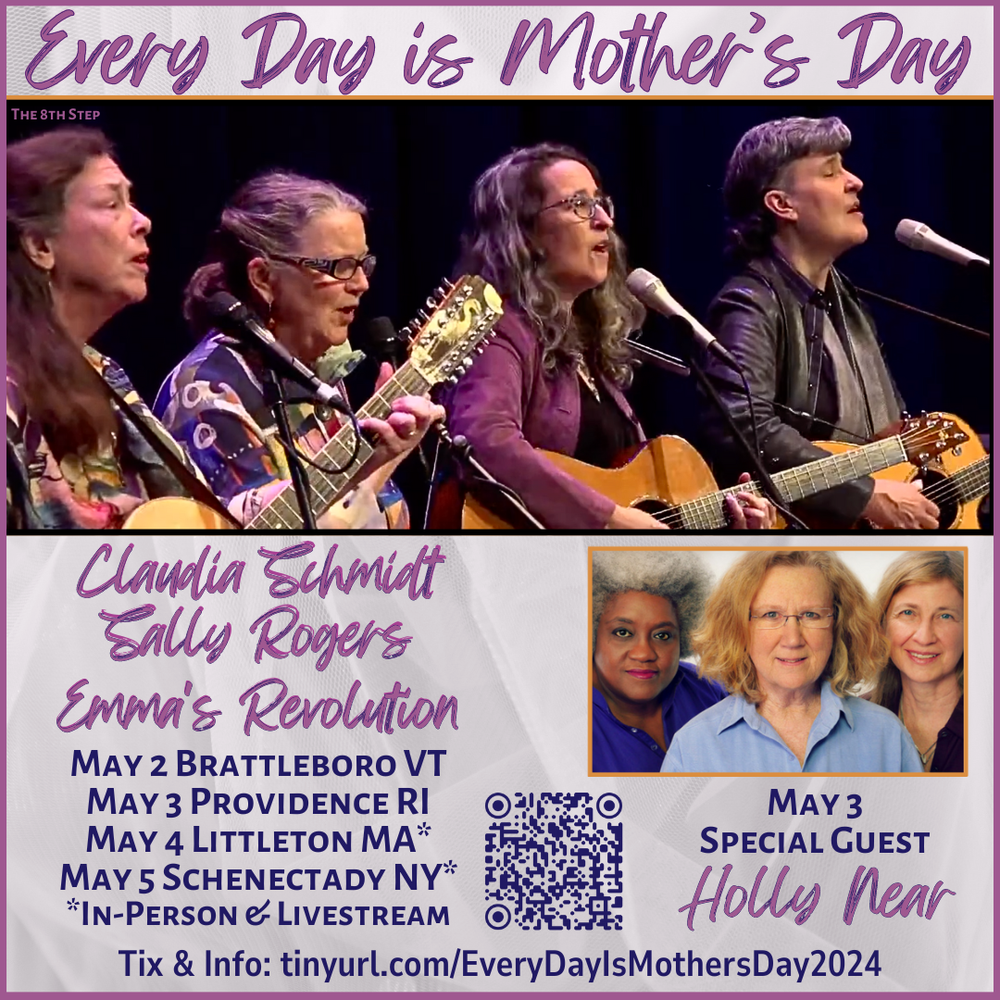
I got to see Emma’s Revolution perform live last night. They’re a duo (Pat Humphries and Sandy O) with a long history of combining performance and activism for various causes particularly anti-war movements, climate and environment, and women’s and LGBTQ rights. Last night they were performing with two other women (about ten years older than them) who are also folk music icons: Claudia Schmidt and Sally Rogers. They all sounded great. It was a powerful quartet. Their songs are poignant, yet hopeful. We (the audience) learned that a documentary is currently in production about Emma’s Revolution. I can’t wait to see it. Pat Humphries is a tremendous songwriter and last night she played the song that “changed everything” for them—Swimming to the Other Side.
They sell their own merchandise at intermission and have no obvious corporate sponsorships or affiliations of any kind. They perform mostly in Unitarian churches, coffeehouses, and small nonprofit venues.
So, what’s their “brand”?
I don’t really know (just trying to bring it back to the prompt).
Clearly, they’re on the left politically.
They’re white and so is their audience (mostly), but they frequently reference icons of the civil rights movement like John Lewis and nonwhite immigration/refugee activists.
They’re acoustic (although they come with a lot of amps and sound equipment).
They’re good. Like really good. They’re total pros. They sing and play beautifully. They make it look easy, but it’s not. In addition to playing songs, folk musicians build a true rapport with their live audiences. They tell personal stories and anecdotes while they tune their instruments between songs. Again, not easy.
That’s all I got. Go see them on their next tour, if you can. Actually, you can see them tonight (from Schenectady) if you buy a ticket to the livestream.
#1) ME! I pay attention to my instincts and tend to value my own wisdom. I’ve got 58 years worth of life experience. Sometimes great revelations hit me late at night, frequently after smoking marijuana. Weed and writing both help me gain clarity.
I was recently honored to be nominated for my church’s Standing Committee. It’s the 6-member executive team that is responsible for all of the organization’s business affairs, including the annual budget and managing the staff. It’s validating, because it shows that other people respect my wisdom and judgment too.
#2) MY HUSBAND. He’s smart and he doesn’t panic. He’s very good at giving advice on medical concerns (i.e. it’s fine; you’ll be fine; I’ve had that; it’s nothing, etc) and occasionally gives good input on fashion (i.e. I like the red one better). It took him awhile to learn this, but he usually knows when the best advice is just to listen and not give any advice. IF I wanted advice on how to get physically stronger, I would ask him, because he knows a lot about it, but I’m way too lazy for lifting weights. He’s also a reader. In my opinion, people who read books tend to give good advice.
Some years ago, I would’ve put my parents on this list, but I don’t typically seek their advice these days.
My kids are getting better at advice-giving as they get older, especially my daughter who is basically a professional advice-giver through her astrology business.
My son is good for one-off tech tips like “try turning it off and on.”
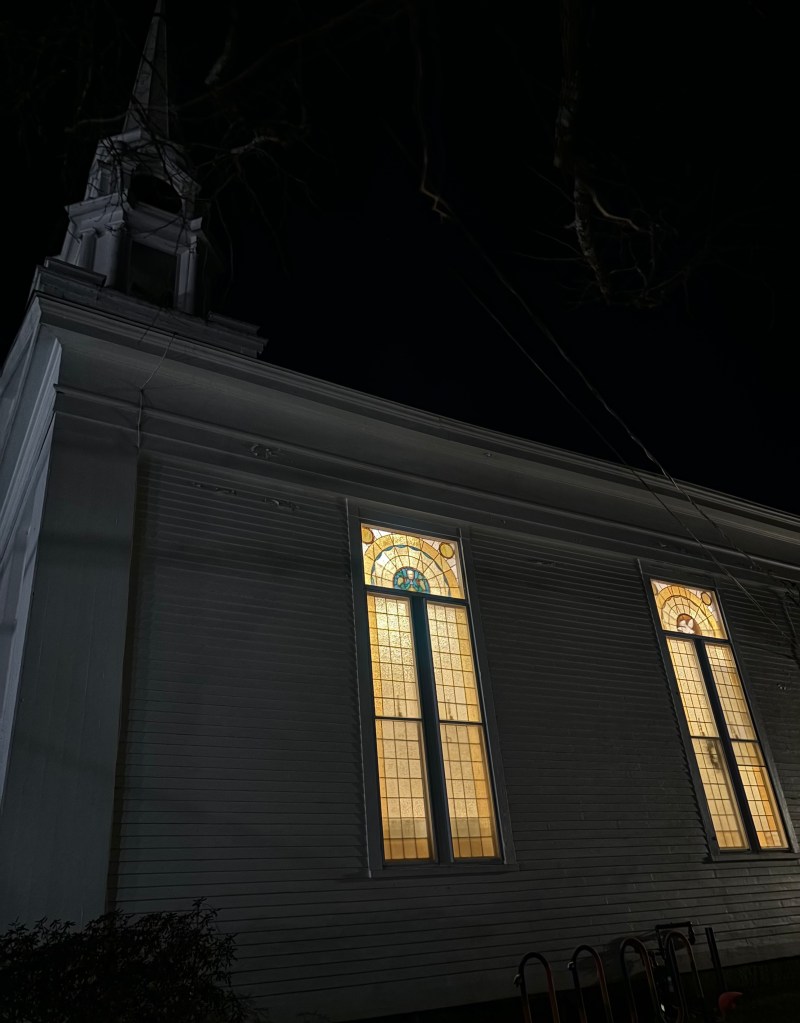
The Standing Committee is also responsible for managing our beautiful, historic church building, erected in 1841.
Inside is an absolutely stunning, classic New England sanctuary in the Greek Revival architectural style. Services are online every Sunday at 10am (EST) here. Check us out, especially if you’re not “religious” and think traditional church is not for you. Atheists welcomed. We are a member congregation of the UUA. 🌈 ☮️ 💓 🌎 🎶
National, statewide and local elections are all important. I always vote. I have a couple of friends who are very involved in town affairs. Sometimes I reach out to them before local elections. They advise me on who to vote for, when I’m unfamiliar with the candidates. There’s nothing wrong with that. If you have friends who share your values, you can ask them how to vote.
On the federal level in the United States, it’s all on the line in November. For those who missed the exceedingly well-researched TIME magazine cover story on how far Trump would go in a second term, here it is.
I hope voter turnout in November is huge and that people don’t waste their votes on third party candidates (or that creepy Kennedy who hates vaccines). Yes, Joe Biden is very old, but he’s the only candidate with a realistic chance of preventing an “imperial presidency that would reshape America and its role in the world.”
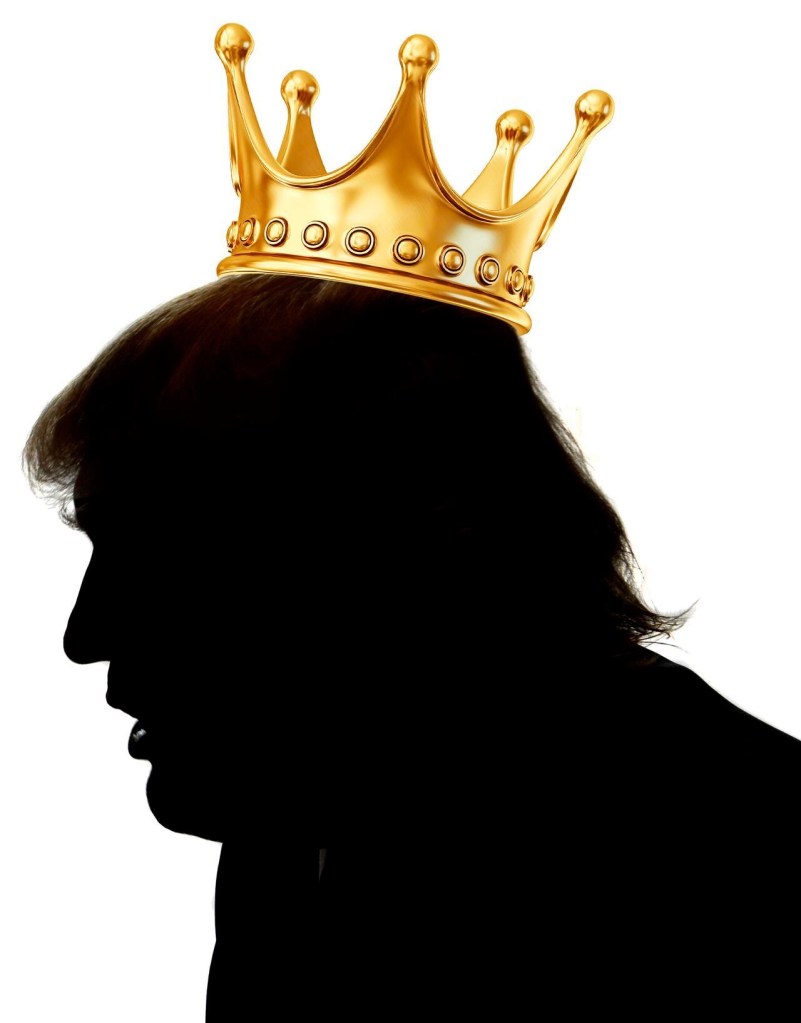
King Donald: This is not what the founders had in mind.
On September 17, 1787, at the Constitutional Convention in Philadelphia, Benjamin Franklin was 81 years old and in terrible pain from gout and kidney stones. After hashing it out for more than two weeks (seven hours per day), he finally convinced thirty-nine convention delegates to sign the Constitution of the United States, with just three delegates refusing. (It would still need to be ratified by the states.)
At the end of the day, they all went out to dinner at the City Tavern in Philly. Delegate McHenry (Maryland) wrote a diary entry describing a conversation between Franklin and Elizabeth Willing Powel who said, “Well, Doctor, what have we got, a republic or a monarchy?” Benjamin Franklin responded:
The Room Where It Happened: Independence Hall, Philadelphia, where both the Declaration of Independence (1776) and the Constitution of the United States (1787) were signed
As a former Catholic, I’m not into biblical quotes. I prefer my inspirational quotes from sources other than scripture.
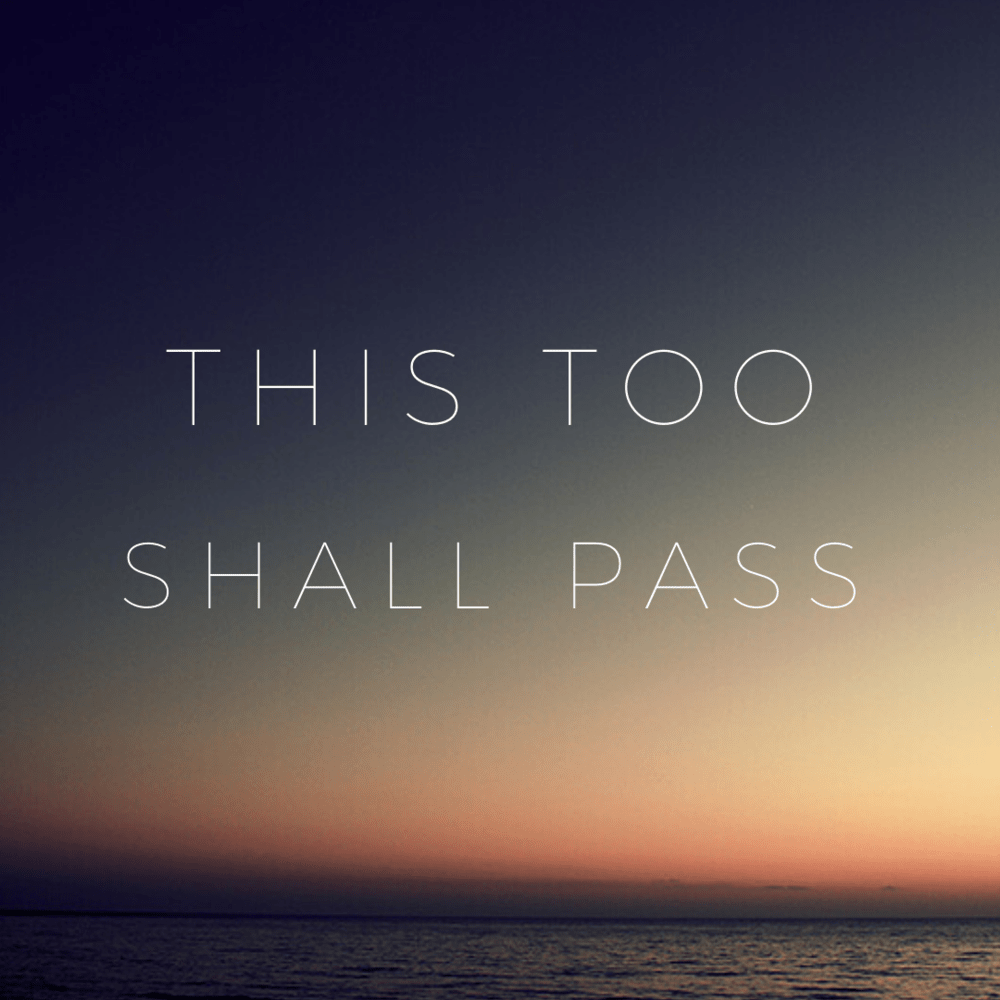
I happen to like “This Too Shall Pass.” Apparently, it is of Persian origin (the Sufi poets) and Abraham Lincoln once used it in a speech.
It’s especially useful when you’re lying in the dentist’s chair or having any type of medical procedure. I think all dentists should have it painted on their ceilings.
I like the build-up to Christmas. The lights, the presents, the anticipation. Also, the music, of course. I like listening to it and I love singing it.
I feel productive when I finish a nonfiction book. Not a memoir mind you, but a real nonfiction book about history or ideas. I’m a fan of novels, so reading nonfiction feels a bit like school—a completed assignment.
Recently, I finished The Persuaders—a NYT bestseller by the American journalist Anand Giridharadas. It’s been on my list for a long time due to recommendations from friends who are more serious activists than me. I wouldn’t say I loved it, but it gave me some things to think about.
In 2022, I read a nonfiction book by the American journalist Mark Leibovich, who now writes for The Atlantic. Leibo is actually an old friend of mine from my post-college party years so I tend to read his stuff. I think he’s hysterical. I enjoyed every single word of his bestseller Thank You for Your Servitude: Donald Trump’s Washington and the Price of Submission. Highly recommend. It was an amazing poolside read. Even better with wine.
GenX are not digital natives and I don’t think we use emojis correctly a lot of the time, but personally, I like them. So could we please have a dictionary of their intended meanings? (Nevermind the hidden meanings)
My son played lacrosse for years, so it was exciting when they finally came out with 🥍 (no dictionary required)
But like what the heck is this supposed to be 🧫 ?
And what does this mean 🫡 ?
And why is there still no real marijuana emoji?? (Broccoli 🥦 is stupid.)
Also, our aging eyes are getting bad so it’s hard to actually make them out without very strong readers.
But my main complaint is the lack of a dictionary that goes with them. I want to be able to hold my finger on one and have words or a voice tell me what I’m looking at and what it’s supposed to mean.
I like talking about the zeitgeist—current events and popular culture (especially movies and TV). I also love talking about books with my book group and music with my choir peeps. I enjoy hearing about people’s travels (to a point). I’m not a big sports fan, but if a Boston team is in the playoffs, I like to know what’s happening with that. Go Celtics ☘️! (and Bruins, I guess)
And as anyone who follows my blog knows, I despise Trump with a deep, burning, crimson hatred I’ve never felt for any other public figure in my lifetime, so I’m always up for any conversation which involves trashing him.
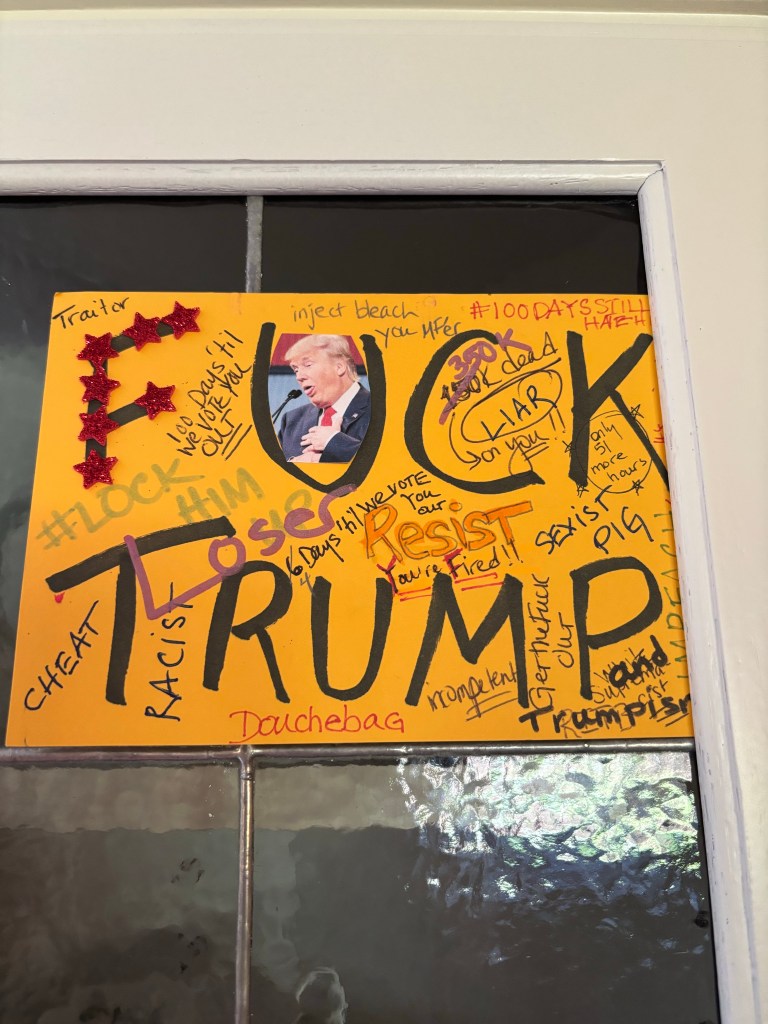
Am I the only one with a sign like this on display in my kitchen for the past 8 years?
![A logo for "50 Happens," [a site dedicated to Gen X women with children and grandchildren] [who embrace life's challenges with humor and resilience], [featuring a modern and uplifting design] [that embodies strength and positivity] [with an elegant and playful style] [and a harmonious blend of colors like pink, fuchsia, purple, and blue].](https://50happens.blog/wp-content/uploads/2024/12/img-5uorrxvwartomopcpuhjfjd0.png?w=300)













 50 Happens