One if by Land, Two if by Sea

I’m locked out of WordPress Daily Prompts (because I’ve already responded to all of them) and I don’t usually look back at my old responses, but in this case, I’m happy to report that I did something I said I would do!

My husband and I visited the newly renovated Concord Museum in December and it was impressive.

This year, 2025, is the 250th anniversary of the start of the American Revolution, specifically the Battles of Lexington and Concord (April 19, 1775).

Along with the Old North Bridge Visitor Center, the Concord Museum is the place to learn about the American Revolution. If you don’t know the story of the lantern warning (“one if by land, two if by sea”) and Paul Revere’s famous ride from Boston to warn the colonists (“the British are coming!”), you’ll learn it here.

There’s also a ton of cultural information about Concord’s many famous intellectuals and writers like Louisa May Alcott, Ralph Waldo Emerson, and Henry David Thoreau. Many unsung leaders of both the abolitionist and suffrage movements also lived in Concord.

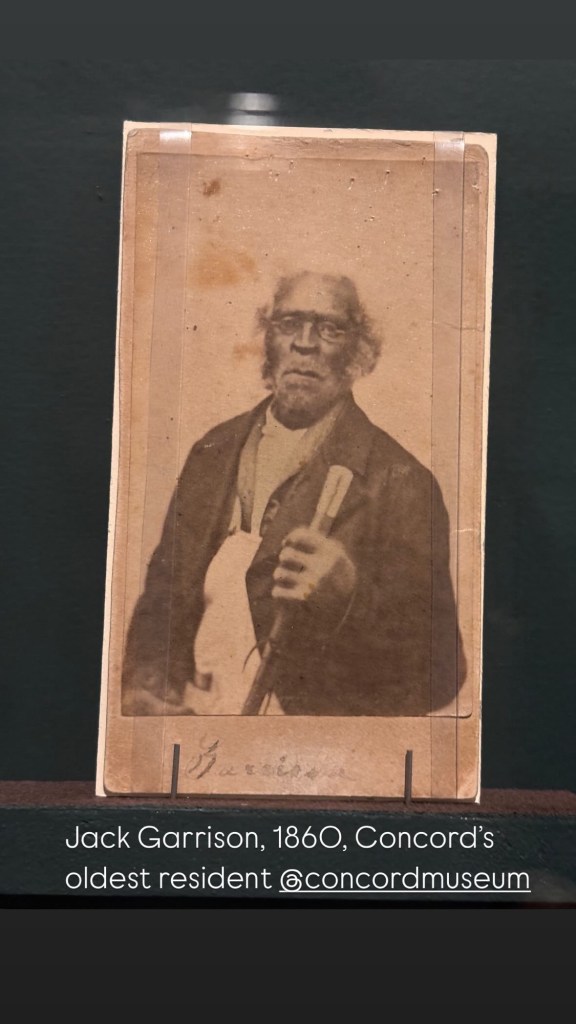
John “Jack” Garrison was an African American man who escaped slavery in New Jersey around 1810 and settled in Concord, Massachusetts. In Concord, he worked as a woodcutter and day laborer. In 1812, he married Susan Robbins, the daughter of Caesar Robbins, a Revolutionary War veteran. Together, Jack and Susan raised nine children, four of whom survived into adulthood. Despite the challenges of his early life, Jack became an integral part of the Concord community. He was known for walking around town with his saw-horse over his shoulder and his saw on his arm, even into his 60s. In recognition of his status as the oldest person in town, he was presented with a walking stick, which is now part of the Concord Museum’s collection. Jack’s life in Concord was marked by both acceptance and the persistent threat of capture due to the Fugitive Slave Acts.
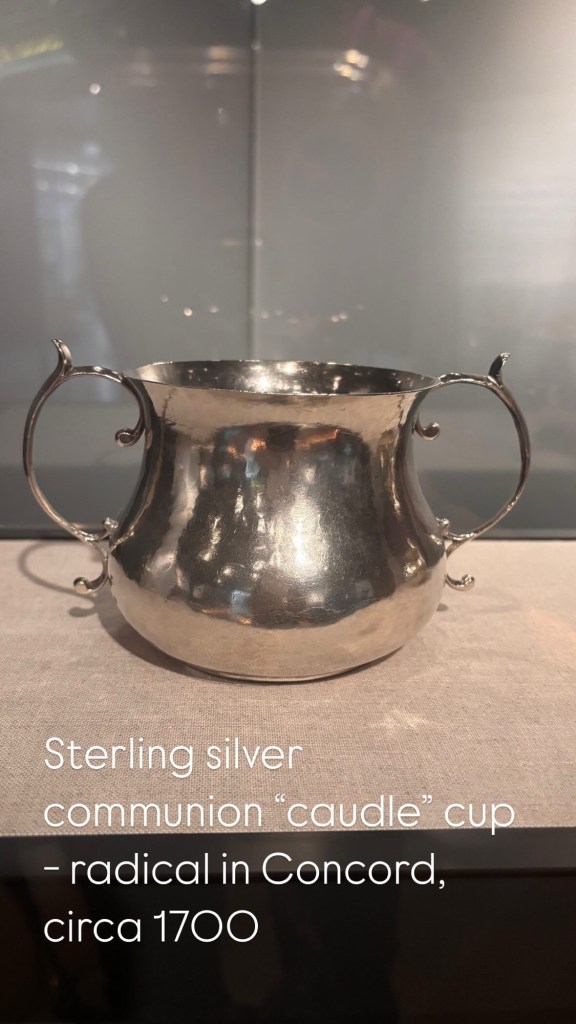
Colonial era silver on display at the Concord Museum

Something new I learned is that a lot of “privileged” white Concord ladies used their influence for good, mainly by talking some sense into the white men. For example, did you know that Ralph Waldo Emerson had to be convinced that slavery was bad? Seriously, Ralph?? And guess who convinced him. Women. Especially Elizabeth Palmer Peabody, a close friend and vocal abolitionist, and his aunt, Mary Moody Emerson.

Pop quiz

Do you have a favorite place you have visited? Where is it?

A year ago this week we were wrapping up a bucket list trip to Paris. I loved it and posted many times about it, with lots of photos.

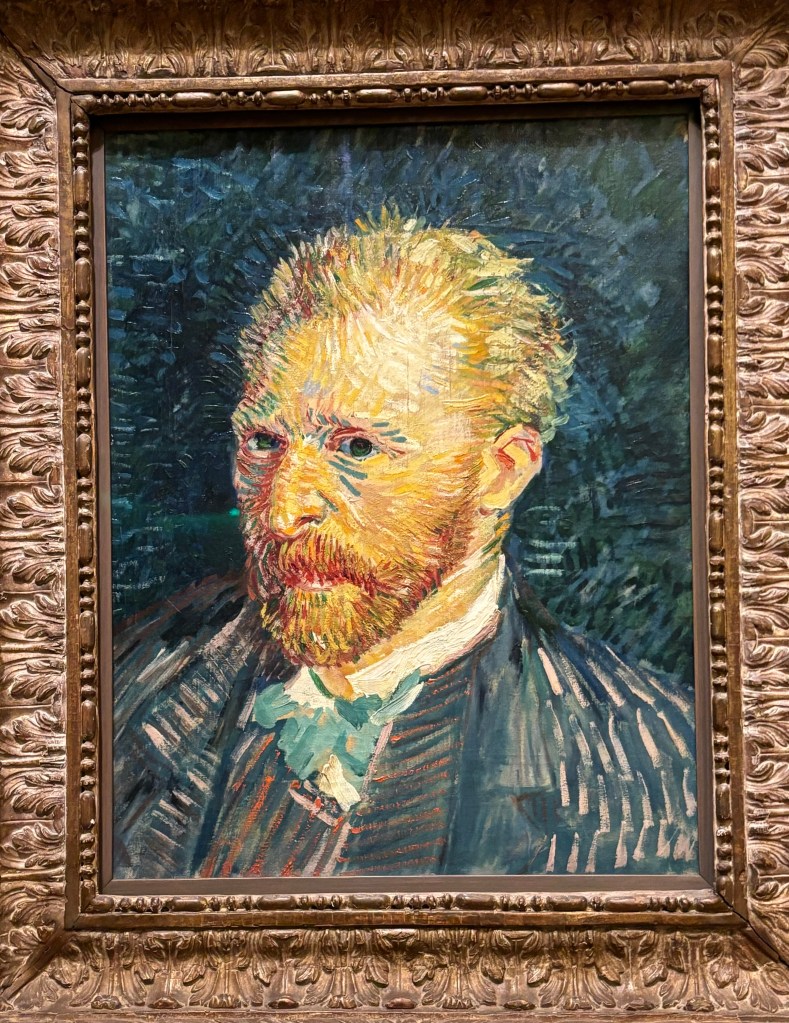
Below are four iconic works of art we saw there.

Just for fun:

Can you name the artist or title of each work without the help of Google or ChatGPT?

If you took Art History 101 and 102, you really should get 100%. If you weren’t a scarf-wearing liberal arts major in the 80s (like me), I think you should still be able to get a 50 or 75.

Good luck.

Artwork 1
Artwork 2
Artwork 3
Artwork 4

Sunrise, sunset

Are you more of a night or morning person?

If the title of this post makes you immediately start humming Fiddler on the Roof (original Broadway cast album starring Zero Mostel), then you are my people.

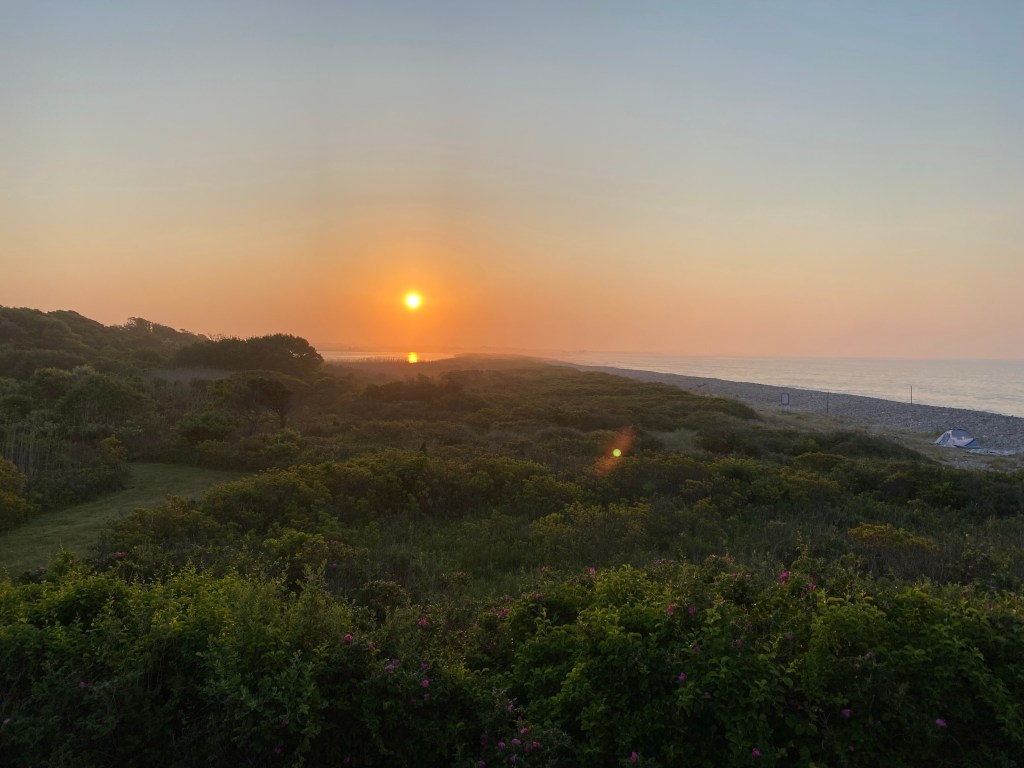
I searched my photo drive, for “sunrise” photos and found just ONE (and I have thousands and thousands of photos).

This is sunrise over Trustom Pond National Wildlife Refuge in South Kingstown, Rhode Island.

Whereas I’ve got sunset photos up the wazoo (in America, that means more than I could ever use). I could make sunset photo calendars every year for the rest of my life and still not use them all.

So, I’m going to use this hard evidence to conclude that I am not a morning person.

Here’s a sunset photo from the same vacation in Rhode Island. This is Westerly/Watch Hill. Taylor Swift has a house nearby.

Bucket list booking: Key West

As I’ve mentioned before, I appreciate the state of Florida, mainly for its warm weather, beautiful beaches, and easy access (numerous cheap, nonstop flights) from New England.

The obvious drawback for me (and many liberal New England types) is the politics there. It’s truly a red state now. (It didn’t used to be.) I know people that despise the whole idea of Florida so much that they actually flinch in disgust when it’s mentioned!

But after one delicious Cosmo and a beautiful Florida sunset on a balmy night in February (when it’s snowing and 20 degrees at home), Florida seems pretty fucking great.

I have been to many places in south and central Florida, including some of the Keys, but I’ve never made it all the way down to Key West—the southernmost point in the US. It’s been on my bucket list for awhile now, primarily for the vibes.

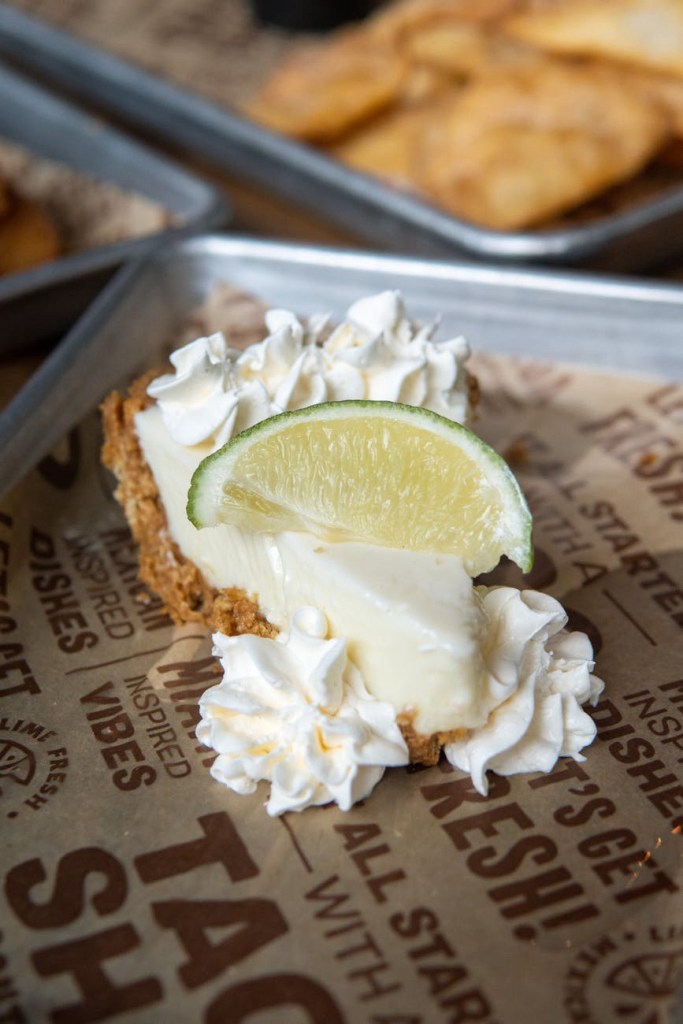
Having worked in the arts for many years, I had many gay male friends and co-workers and they always loved Key West. (A good sign) Also, Ernest Hemingway lived and wrote many of his most famous books there. And I’m currently watching Bloodline, with the amazing Ben Mendelsohn, Sam Shepherd and Sissy Spacek, which was shot there. Then of course, there’s the pie. I love Key Lime pie and I’m assuming they have some great places to get it in (on?) Key West. My understanding is that there’s also a heavy Cuban influence there and while I have no desire to visit actual Cuba, I do like the idea of experiencing some of its culture on Key West.

What I didn’t realize before I booked the flights is how tiny it is! It’s only four miles long by two miles wide. That’s like one-tenth of a Nantucket. Teensy! Hopefully we don’t get bored there for a whole week. Please send any Key West recommendations you may have.

So as the United States descends into fascism this winter, I’m going to practice total avoidance and have me some delicious Key Lime pie.

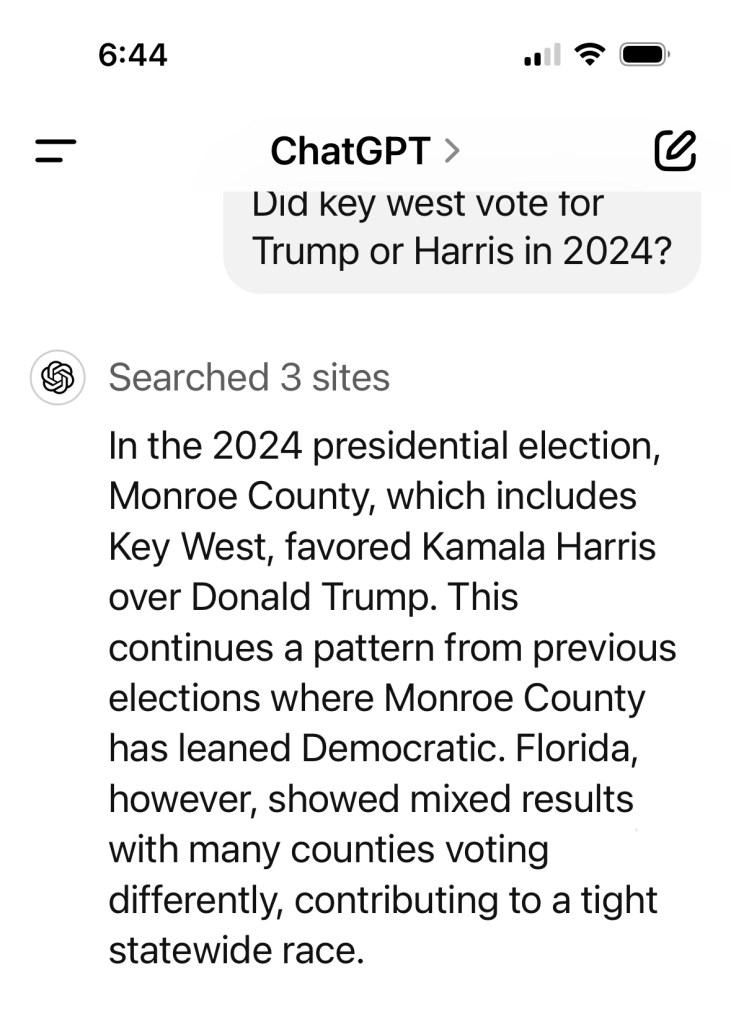
Final note: I did check their voting records and they went Harris, according to ChatGPT. So, I will feel slightly better about spending my money there. It’s a blue bubble area.

Do people think ChatGPT is reliable for questions like this?

Art museums

My husband and I are very different. In fact, we’re almost complete opposites. He likes a lot of things that I will never ever be into like weightlifting in gyms, football and other contact sports like rugby, and hardcore (punk) music. I like a lot of things that he will never ever be into like singing in choirs, going to musicals, and swimming.

For many years, we just kind of did our own thing. I went to the beach with friends, while he stayed home and went to the gym…

But if you’re going to stay married to one person for your entire adult life, you must come up with at least a few shared activities, especially after your kids fly the coop, or you will have absolutely nothing interesting to talk about!

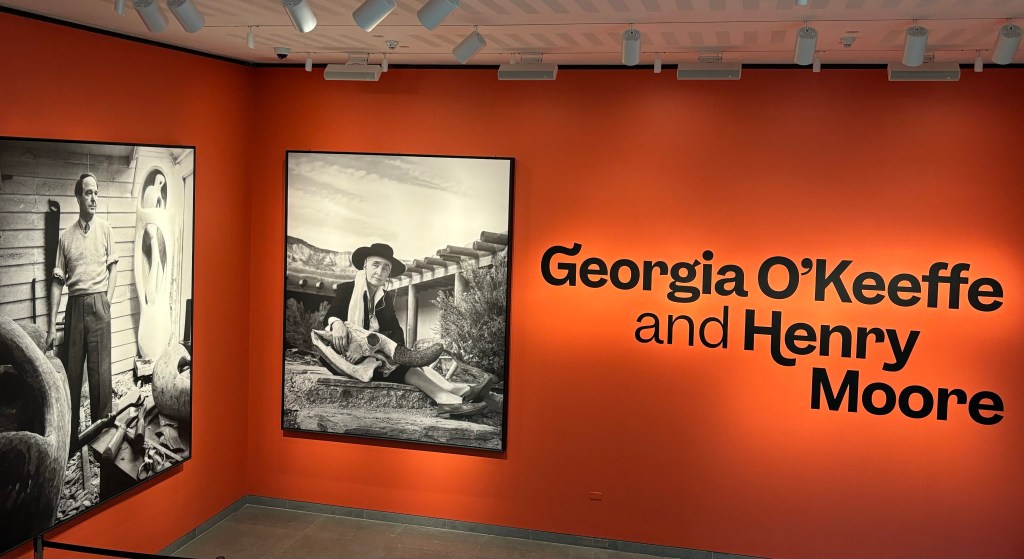
One of the things we both like to do is go to art museums. We have memberships at a few local museums and we go to their major exhibitions. Yesterday was the Georgia O’Keefe and Henry Moore exhibit at Boston’s Museum of Fine Arts.

It was an interesting idea. They took two artists who worked in different mediums (a painter and a sculptor) in the same time period (early 20th century) and put them side by side. The idea was to see how they were grappling with similar themes in their work, especially nature and tension/balance between shapes, and appreciate how they influenced each other.

The galleries were quite crowded (a great sign for art museums!), but that made it a bit difficult to fully consider the interplay between the two artists. Still, I think I got the idea.

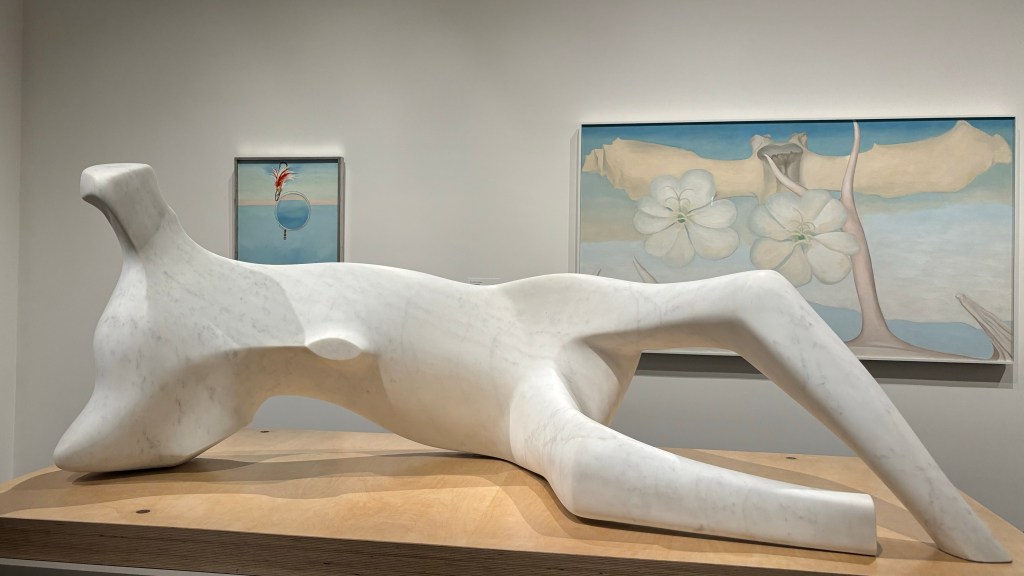
This gallery, with a large Moore sculpture in the foreground and O’Keefe paintings on the walls, shows what the curators were going for with this exhibit.

My husband liked the Moore sculptures best. Me? I just love those famous Georgia O’Keefe flower paintings. As many times as I’ve seen them reproduced as prints and posters, the originals are so nuanced and gorgeous. What can I say? I like flowers and pretty colors. (They sort of reminded me of the Northern Lights.)

And then, for something completely different, we took a stroll through a Salvador Dalí exhibit. The famous Spanish surrealist was truly an extraordinary painter. Interestingly, he was a contemporary of Moore and O’Keefe. All three lived through World War II—an event so monumental no artist was unaffected by it.

The Three Ages (Old Age, Adolescence and Infancy) by Dalí, 1940. If you look closely, each section of the painting is a double image (i.e. the left side is a standing, stooped figure and also an old man’s face).
“This painting revisits Dalí’s most famous composition, The Persistence of Memory, which by the early 1950s had become emblematic not only of Dalí, but also of the Surrealism movement.
Here Dali once again places melting watches in a barren landscape, but now the context is the post-war atomic age. An elaborate grid of bricks recedes toward the distant horizon, the boxy shapes becoming missile-like forms. Typical of the artist, the picture’s meaning is ambiguous, though very much of the nuclear era.”

Florida

I’ve spent more time in Florida than any other state outside New England. I like Florida. I love the beaches. I like the theme parks. I love all the outdoor dining. I like the diversity. I love the winter weather. I like how easy it is to get there from Boston with many cheap, nonstop flights daily.

We have close friends and family in Orlando, the Palm Beach area and Naples. They have been through many hurricanes and they don’t typically get too concerned. Therefore, I did not immediately change my travel plans when a very late season hurricane (Nicole) was forecast in November 2022. We were scheduled to look at condos with a realtor and she would’ve been highly inconvenienced if we cancelled. (We were actually thinking of purchasing a second home down there at the time.)

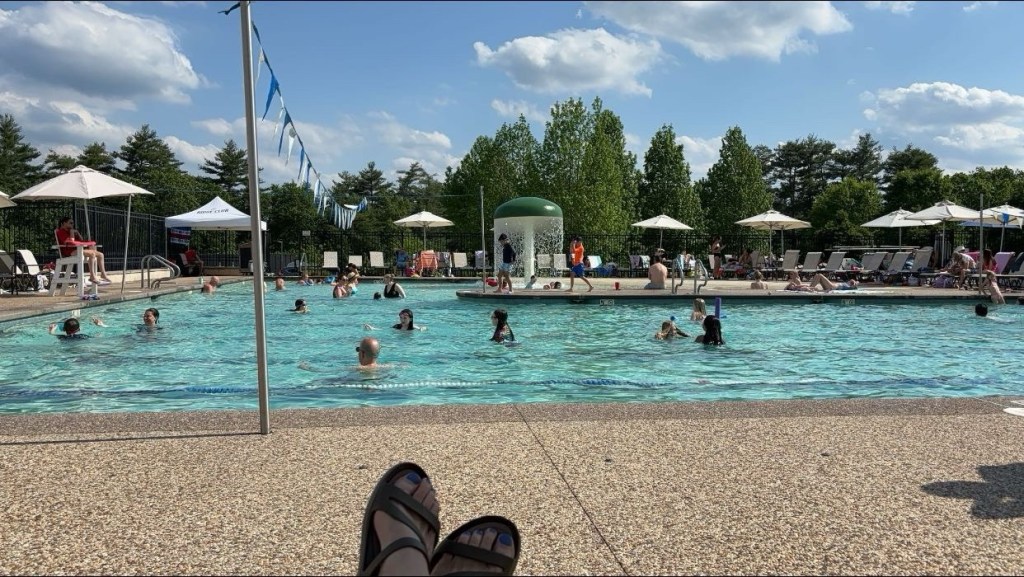
Hurricane Nicole hit on Election Day in November 2022. (Governor Ron DeSantis was overwhelmingly reelected—possibly a bad sign for this Massachusetts liberal.) We were told we had to evacuate our hotel because it was in “Zone B” – a barrier island. I never even got to try the pool. We left and checked into another hotel outside of Zone B.

The hurricane itself wasn’t too bad where we were, but I had a bad reaction to the extreme barometric pressure change. It caused a problem with my inner ear and triggered vertigo. Not fun. I sat in my hotel room with a barf bucket in my lap waiting for the moment we could go to the airport.

After that trip, I decided I would never again visit Florida during hurricane season and really didn’t want to own a condo there. (Renting is fine.)

But I still like Florida.

Hurricane Milton looks horrific. I’m scared for the state. I hope it’s not as bad as they’re saying it will be.

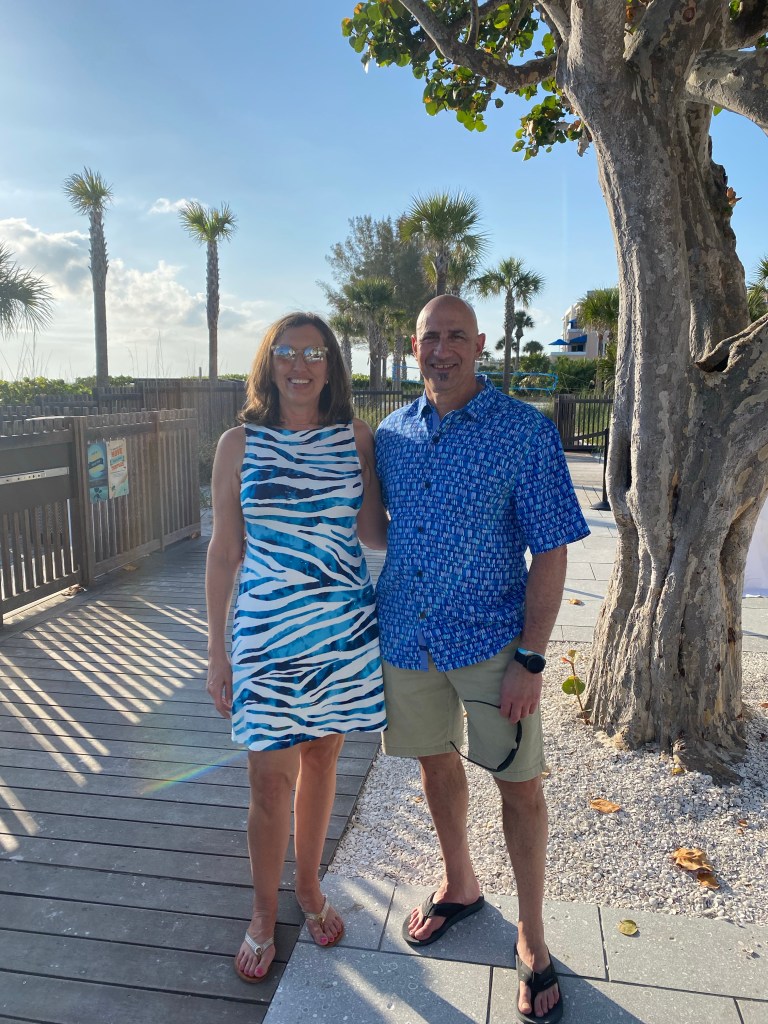
Here we are at my nephew’s wedding on Longboat Key (which looks to be in extreme danger from Hurricane Milton). It was just one of many, many good times I’ve had in the quirky, beautiful, unique state of Florida.

Yellowstone wildlife

I’ve already posted too many times about my recent trip to Yellowstone and the Grand Tetons. But what the heck…it’s my blog and I can post what I want, right?

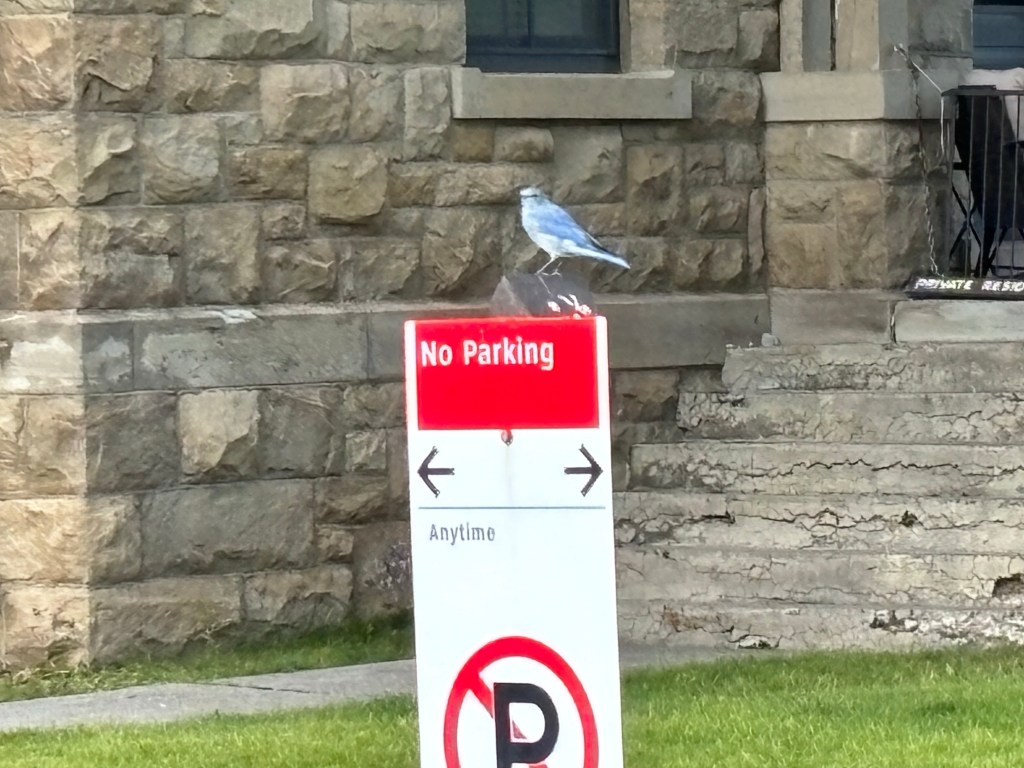
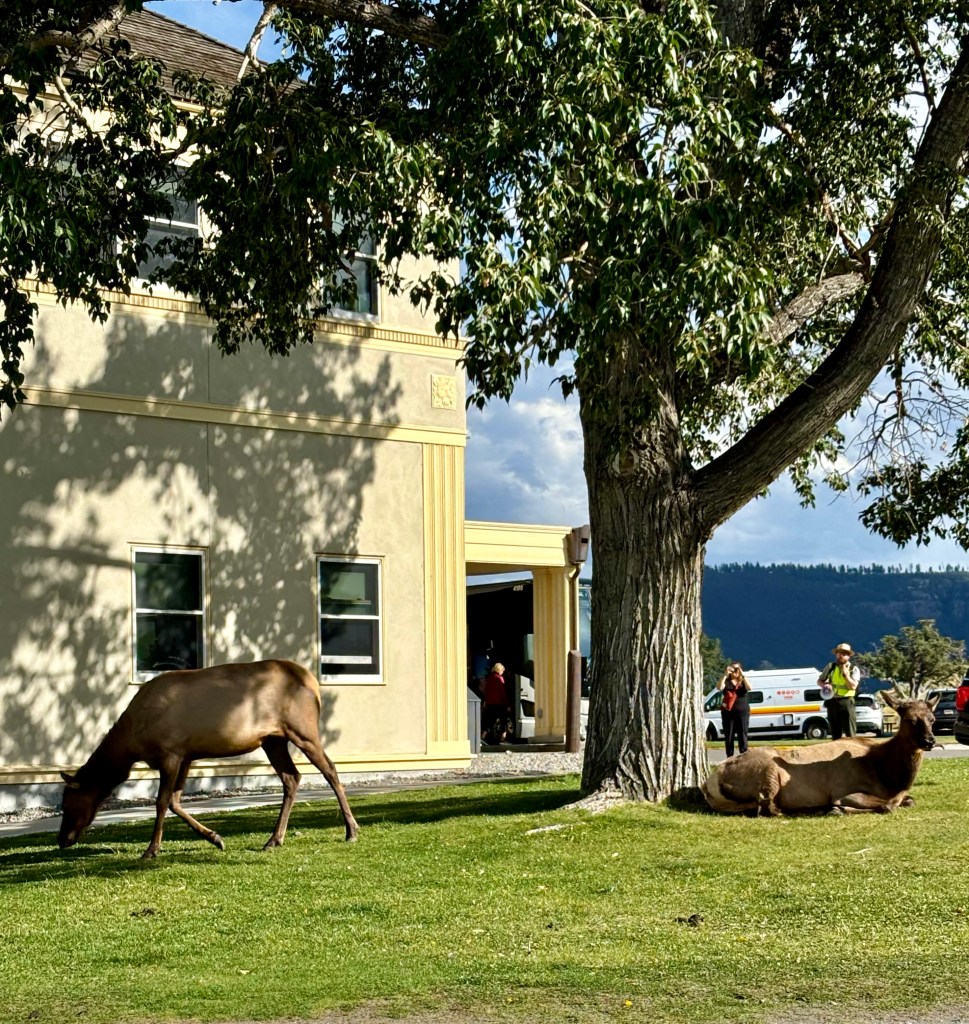
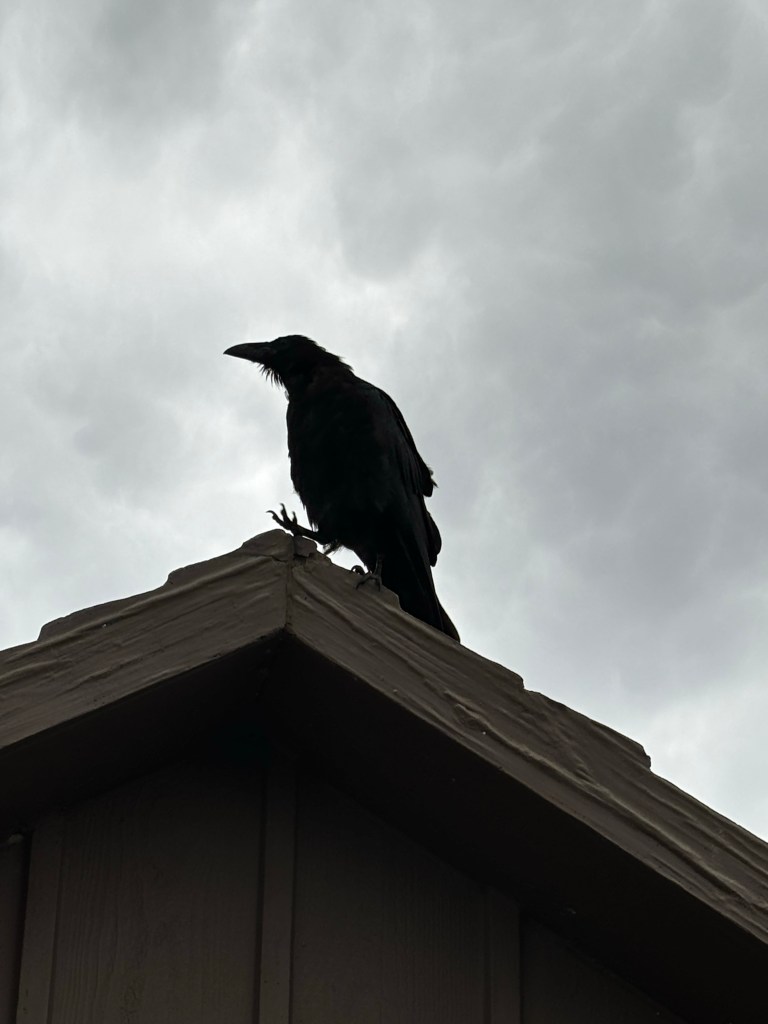
As previously mentioned, spotting wildlife is a major activity in Yellowstone National Park. After your first 500 or so bison (aka buffalo), you start coveting sightings of the more rare animals— like wolves and bears.

Here’s everything we saw:

Bluebird
Lots of elk
Bison galore
Raven
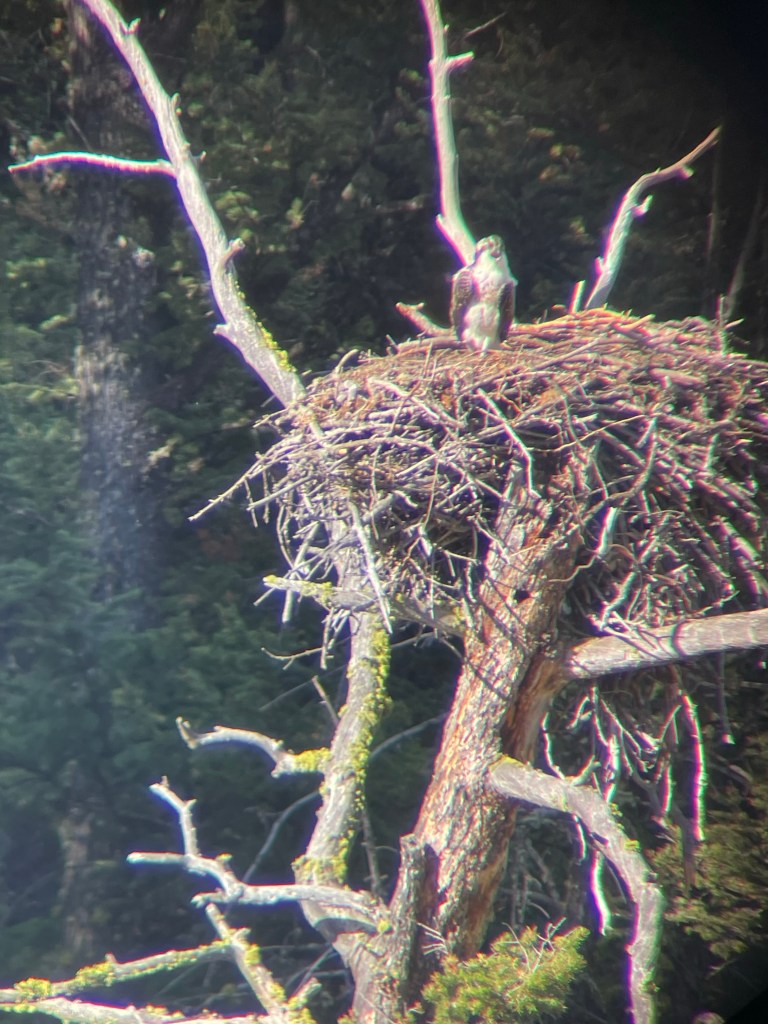
Osprey (baby)
Killdeer
Magpie
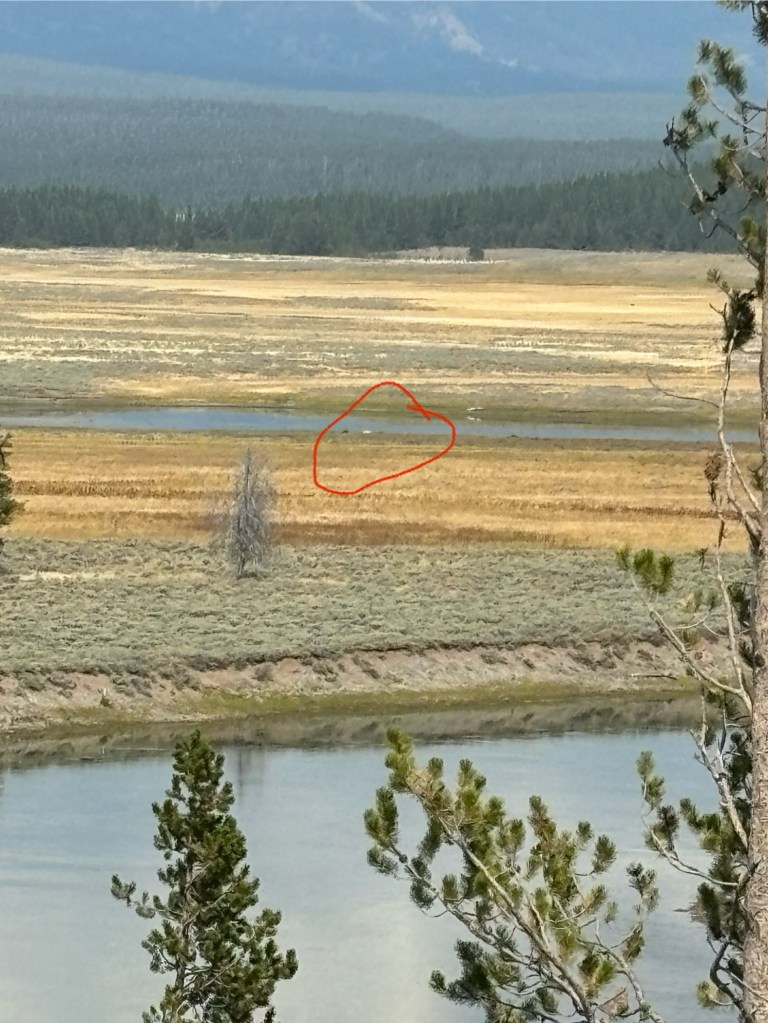
Two grey wolves (one white and one black) from a long distance, but very clearly seen through a stranger’s scope
The black one looked like this
Chipmunk
Pronghorn
We saw mountain goats from a long distance in that cliff face behind us. They are non-native and therefore a bit controversial in Yellowstone.

We also saw sandhill cranes and vultures, but I wasn’t able to get photos.

The wolves were the most exciting to spot, partially because everyone else was so excited! There are people that go around spotting wolves all day long in Yellowstone. They know individual members of each pack. They have special spotting scopes and they sit in certain areas watching for wolves. When you see a clump of those people, you pull over to see what’s going on. Their excitement is infectious and they are very generous with their spotting equipment.

Despite all the warnings about bears and the need to carry bear spray on hikes, we never saw one! I’ve still never ever seen a bear in the wild.

I am pleased to report that with this recent trip to Montana and Wyoming, I have now visited more than half of the fifty United States (26 to be exact). I have 24 left to go!

———————————————————

PS: Is anyone else disappointed that MyGenXerLife’s blog seems to have disappeared? Did he make an announcement while I was away or something? I really loved that blog! Any info appreciated.

Thankful Thursday

Brizzy Mays Books and Bruschetta is a blog I like. She likes to write about fun destinations in Australia and the unsung women of Australian history. She frequently references Aussie expressions and traditions that I’ve never heard of before—like Barbecue BOATS (do those sound fun, or what?)

Anyway, I thought of her when I visited the cabin of Maud Noble in Grand Tetons National Park in Wyoming. (We went there after Yellowstone National Park.)

Maud’s cabin in Grand Tetons National Park

Born in 1879 into a wealthy family from Philadelphia, Maud Noble moved to Jackson Hole, Wyoming, in 1915. Noble became a significant landowner and operated a homestead and dude ranch in the area. In 1923, she hosted a meeting at her cabin to discuss preserving the Grand Teton region. This meeting included notable conservationists and local ranchers and is credited with sparking the movement to create the national park.
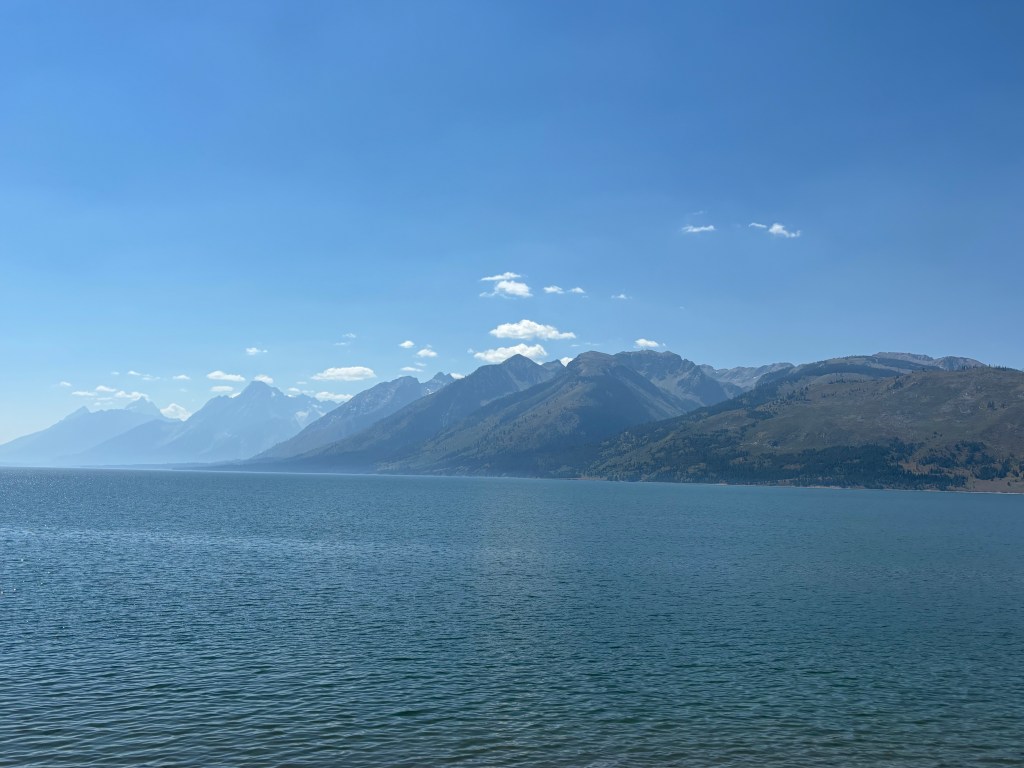
And oh my…what an amazing national park it is.

Thank you Maud.

Lake Jenny in Grand Tetons National Park
Our first view of the Grand Tetons as we drove down from Yellowstone
The Grand Tetons jut up out of nowhere—there are no foothills—very dramatic!
A view of the shrinking glacial ice in the Tetons
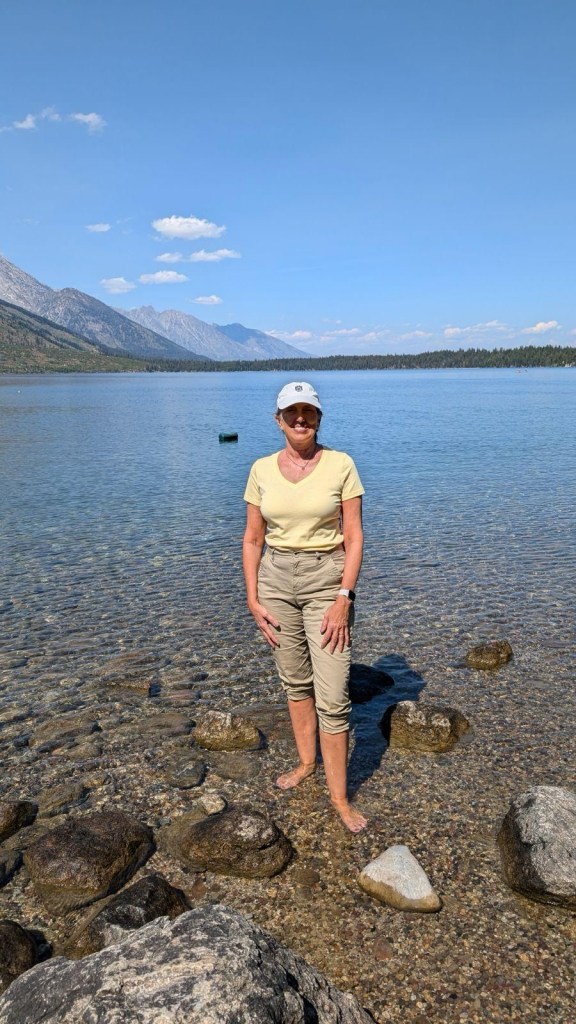
Pristine, beautiful Jenny Lake in Grand Tetons National Park
Maud Noble reading in her Wyoming cabin (photo from National Park Service)

YELLOWSTONE – Part 4 (the Lodges)

Having stayed in Thunderbird (one of the in-park historic lodges at The Grand Canyon) last year, I wanted to do the same in Yellowstone. These historic hotels and cabins are all booked through one agency (https://www.xanterra.com) and frequently fill-up a full year in advance.

These iconic hotels have amazing locations (inside America’s most famous national parks), but sometimes lack a few modern features—like air conditioning, WiFi, or even private bathrooms. (And there are definitely no pools or hot tubs at these hotels!) In my opinion, it’s worth it to give up a few modern luxuries to stay in the heart of the parks, surrounded by their wild beauty and animals.

I already mentioned our stay at the Mammoth Hot Springs, where we left our window open at night (there was no a/c, but fans were provided) and were awakened by the rather alarming sound of a male elk “bugling.” (Click here, to hear what that sounded like.)

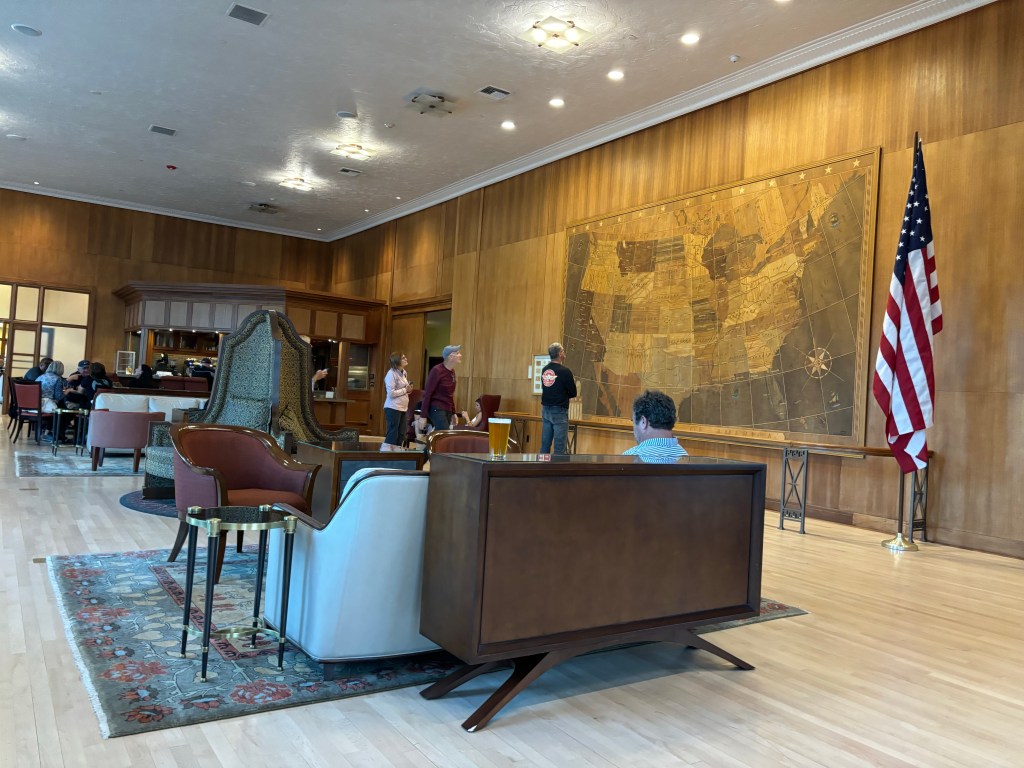
This is the famous “map room” bar/lounge at Mammoth Hot Springs Hotel. Behind me was a grand piano, which was played by both guests and professionals during our stay. The large, intricate wooden map of the United States is crafted from 15 different types of native wood.

We also spent one night in the Granddaddy of all the American national park lodges: the Old Faithful Inn. Built in 1904, this historic landmark is known for its rustic, log-cabin architectural style and viewing porch, which faces Yellowstone’s most famous (and reliable) geyser.

Side view of Old Faithful Inn, with viewing porch on the right (above the entrance)

As one of the largest log structures in the world, it represents a significant achievement in American craftsmanship and the “parkitecture” style that blends buildings with their natural surroundings. It hosts millions of visitors from around the world each year. The lobby is jaw dropping and hard to capture in iPhone photos, but of course I tried:

The Old Faithful Inn features a towering stone fireplace in its lobby.
The clock face at the top uses red Roman numerals (so nobody under 35 has any idea how to read it, lol)
There are four levels above the lobby, but the top two were off limits. The “bird’s nest” is an elevated platform located near the ceiling. This rustic bandstand was once used for live musical performances. Imagine a band playing up there, while guests danced below.

They’ve kept the tradition of live musical performance alive at the Inn. I heard two different musicians playing for the guests. Here’s a snippet of a cellist/singer playing a GenX favorite: Sweet Dreams by the Eurythmics/Annie Lenox.

GenX in the house! (And yes, of course I sang along 😉)
A photo of the main dining room from an overlook on the first floor. The food was pretty good. I had Idaho trout, which was a lot like salmon.
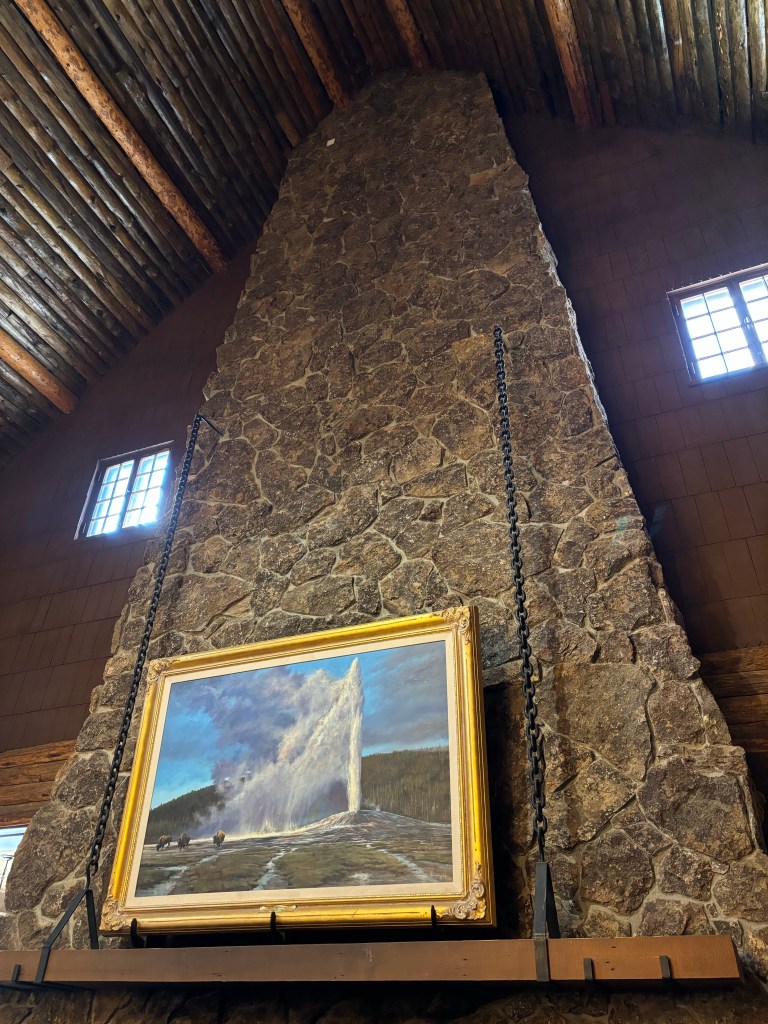
Another grand stone structure (with a painting of Old Faithful) in the main dining room. Like the fireplace/clock in the lobby, it’s made of rhyolite—a volcanic stone found in the surrounding Yellowstone area.
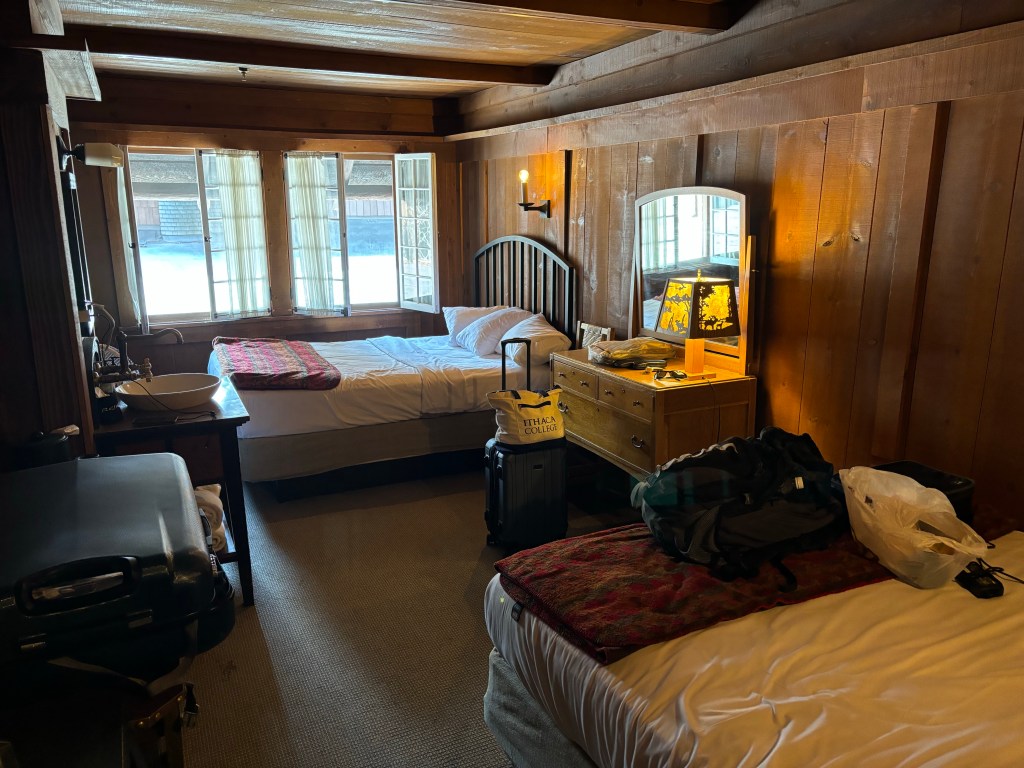
Our room had a sink, but no bathroom (and only two plugs), but the shared bathroom was just a short walk down the hall. I got the last available room at the Inn and I booked 9 months in advance.

There’s a schedule in the lobby that lists when Old Faithful’s next eruption is expected, which is absolutely amazing when you think about it! The geyser erupts about 20 times per day and the schedule is accurate, plus or minus ten minutes. And this has been going on since explorers first discovered Old Faithful in the 1870s (and probably for thousands of years before that). Holy shit. Yellowstone is amazing!!!

The final eruption we witnessed before departing the Old Faithful Inn

Related:

Bucket List Progress: Yellowstone – Part 1

Yellowstone – Part 2

Yellowstone – Part 3

Yellowstone Wildlife

Thankful Thursday