![A logo for "50 Happens," [a site dedicated to Gen X women with children and grandchildren] [who embrace life's challenges with humor and resilience], [featuring a modern and uplifting design] [that embodies strength and positivity] [with an elegant and playful style] [and a harmonious blend of colors like pink, fuchsia, purple, and blue].](https://50happens.blog/wp-content/uploads/2024/12/img-5uorrxvwartomopcpuhjfjd0.png?w=300)
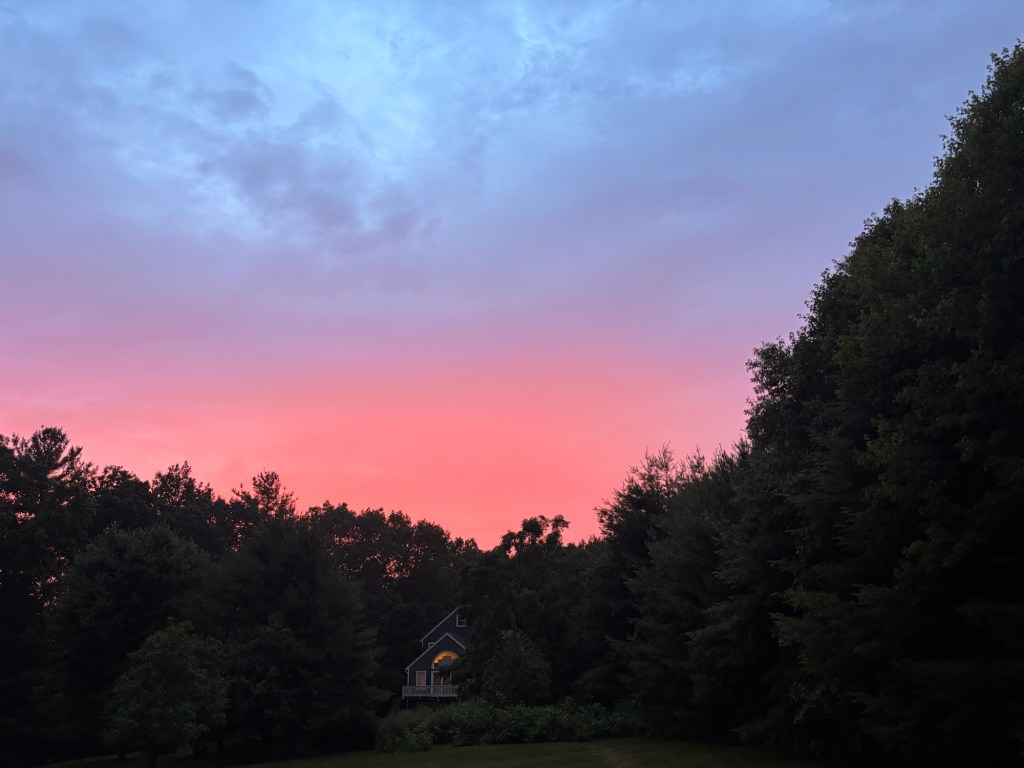
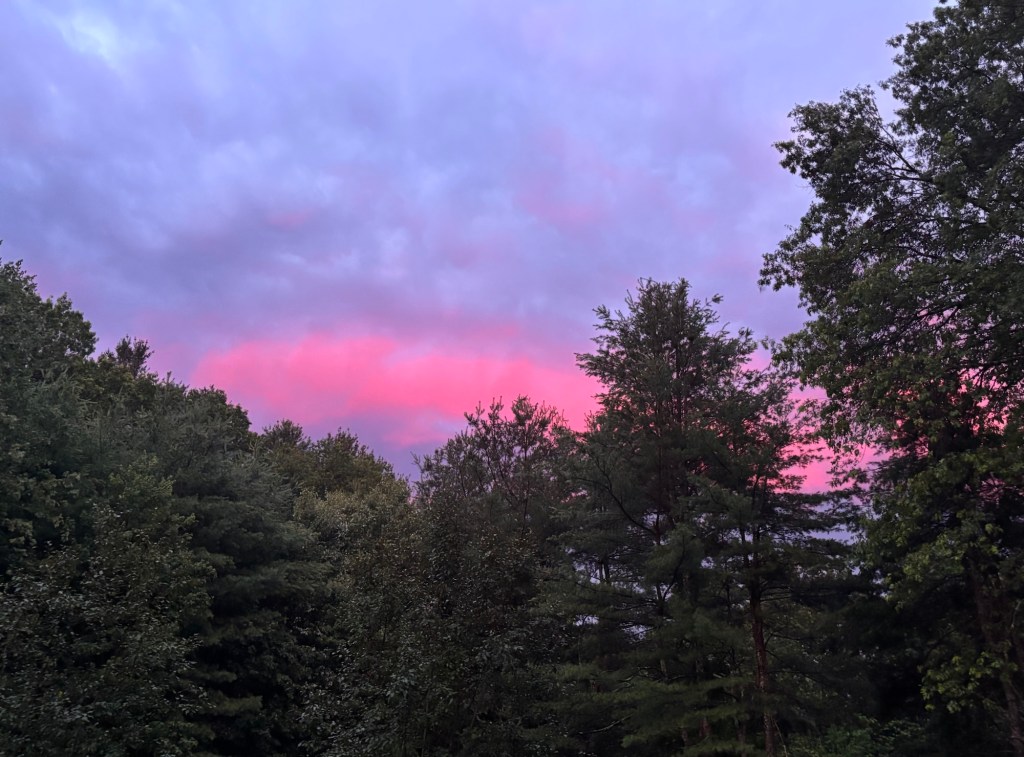
Last night felt like peak summer in New England.
First we had this.
Then this.
Then this.
Related:
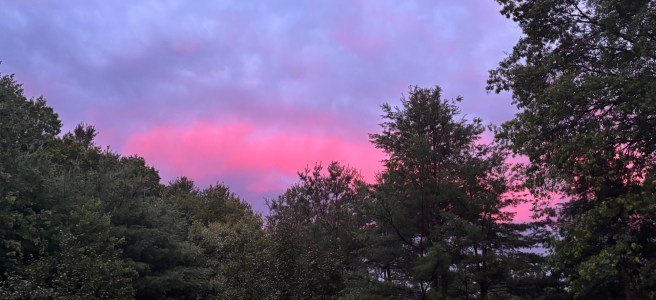
Last night felt like peak summer in New England.
First we had this.
Then this.
Then this.
Related:
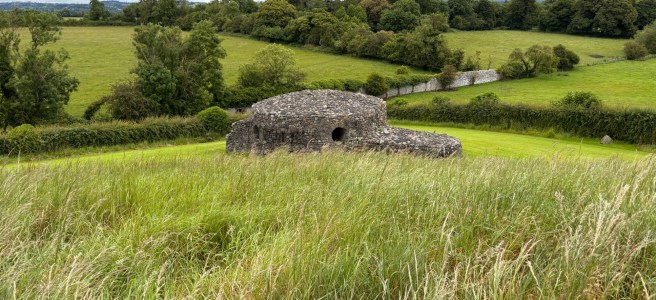
On our last full day in Ireland, we figured out how to take a commuter train from Connolly Station in Dublin to Drogheda (about 45 minutes away) and then grabbed a cab to the Brú na Bóinne Visitor Center—commonly referred to as “Newgrange.”
Brú na Bóinne is one of the world’s most important prehistoric archaeological sites. Older than both the pyramids and Stonehenge, it’s home to the massive passage tombs of Newgrange, Knowth, and Dowth. With advance tickets, you can tour Knowth and Newgrange with a guide.
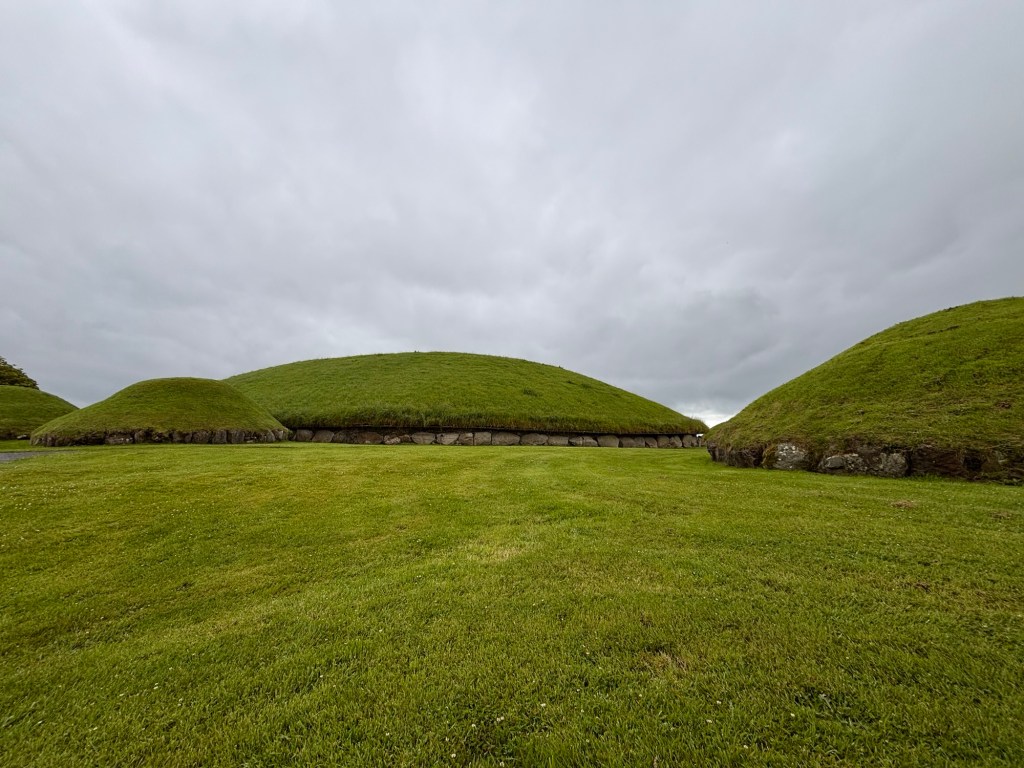

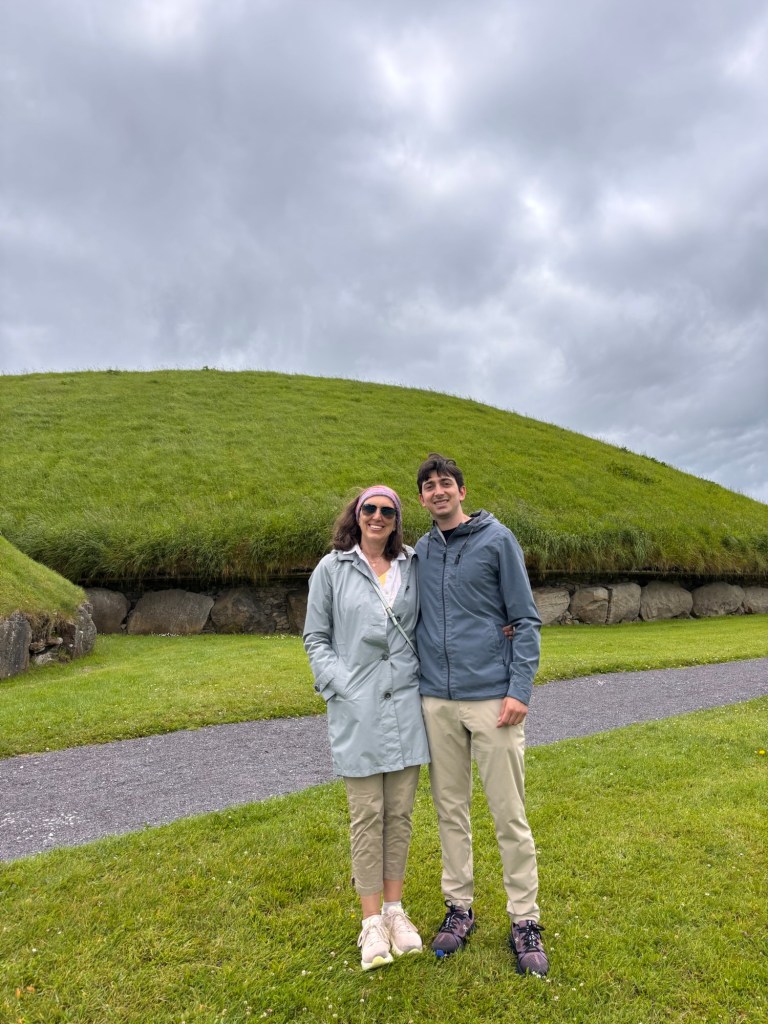


You can ascend to the top of the largest mound at Knowth and actually go inside the Newgrange tomb through a narrow, rocky passageway to experience this 5,000 year old sacred space which was engineered with astonishing precision to align with the solstice sun, when it miraculously lights the inner burial chamber.

It’s a surreal feeling to stand in an underground chamber built by humans 5,000 years ago. At one point, the guide extinguished all light in the tomb, submerging the chamber into pitch blackness, and then demonstrated with an artificial light how the chamber lights up (for about 17 minutes) on the winter solstice.




It is believed that the passage tombs of Brú na Bóinne were Stone Age burial sites for high-status individuals, where cremated human remains were placed in stone basins within the chambers. These tombs reflect a Neolithic belief system centered on death, ancestor worship, and a deep reverence for cosmic cycles—especially the sun.
In addition to human remains, archaeologists have found animal bones—including those of cattle, birds, and dogs. It is thought they had ritual significance, possibly as offerings or symbolic companions in the afterlife, reflecting complex spiritual beliefs that linked humans, animals, and the natural world.
Pre-Christianity is fascinating, right?? Because nobody really knows what they believed or were actually thinking! What do you think?
Related posts:
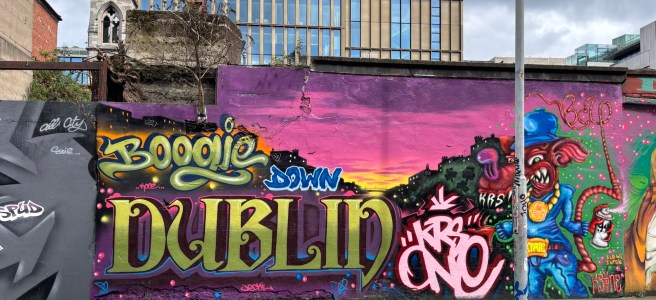
After Kilkenny, it was onwards to Dublin—the great capital city of the Republic of Ireland. We approached Dublin from the south, which was described as the “posh” side of town.
After a lovely lunch surrounded by ancient giant trees at The Fern House (and quick shopping in the attached Avoca store), we headed to the city for something completely different— a moving tour of Kilmainham Gaol.

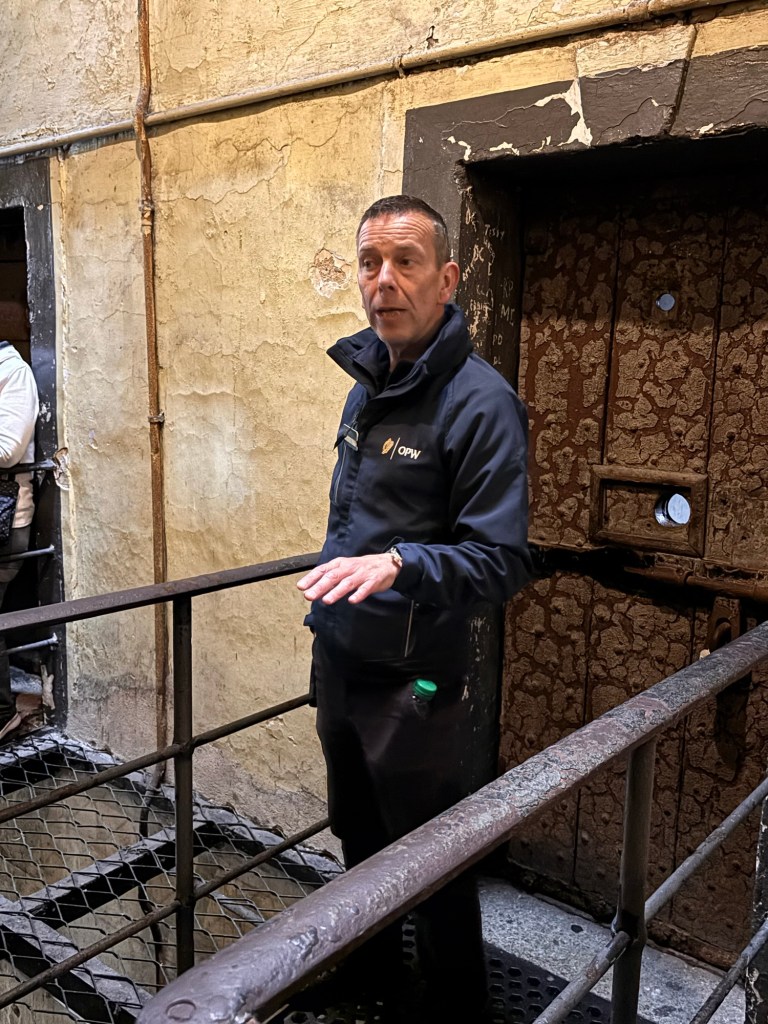
This historic prison is a powerful symbol of Irish nationalism, as it held many leaders of Ireland’s rebellions, including the 14 men executed after the 1916 Easter Rising. (On the way to the prison, the guide played Rod Stewart’s beautiful song Grace about Joseph Plunkett—one of the 14 rebellion leaders—who was allowed to marry his childhood sweetheart Grace shortly before his execution.)

The next morning, the sun came out and we did a walking tour and saw many of the city’s iconic sites:
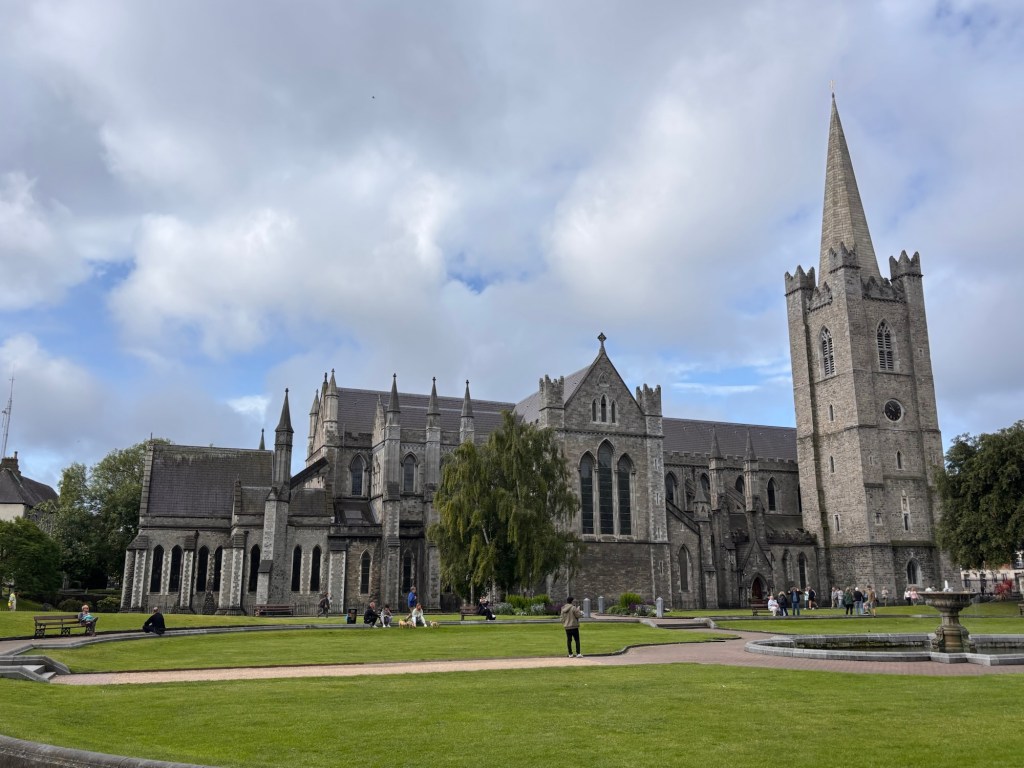

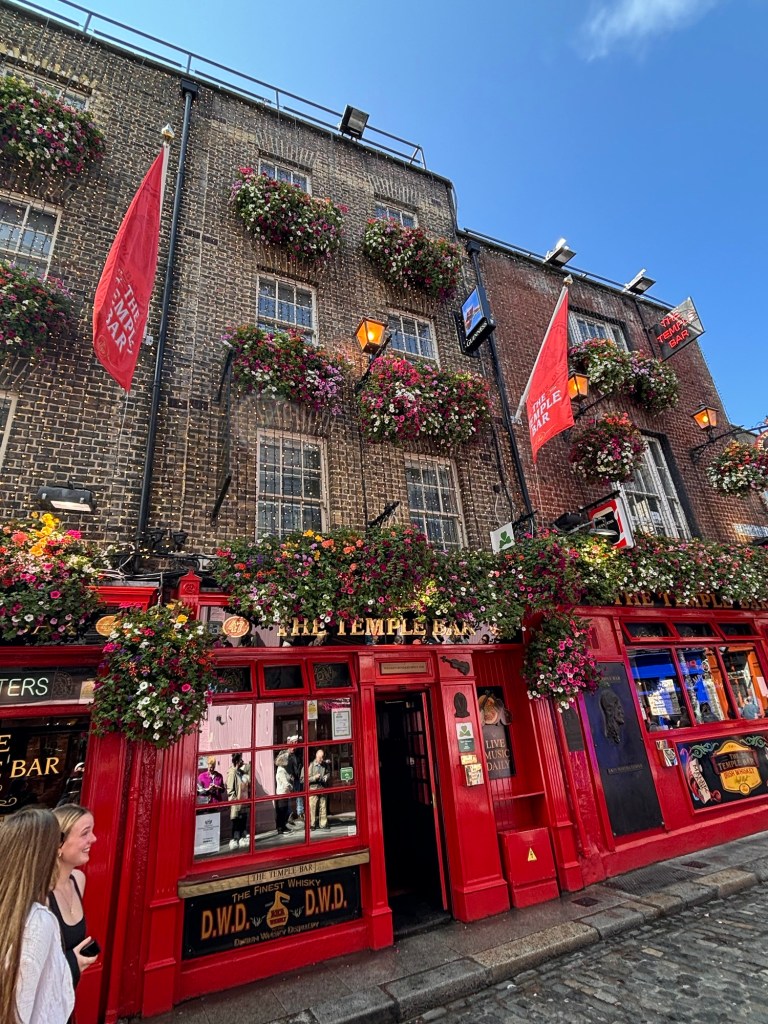
Meanwhile, my son John (who had been in Sweden for work) joined us in Dublin, which was fantastic. It was so great to spend time with him!

We did several more museums with him, including EPIC (the Irish Emigration Museum) and the National Museum of Archeology. We also went to many pubs, stores and even a sold-out comedy show, where we were the only Americans and the comedians knew it. 🤣 (They did not hold back on the Trump jokes, which was awesome.)

And NOW, if you’re still reading, here’s the most amazing thing that happened in Dublin. You may remember that this trip was inspired, in part, by my Irish roots. Thanks to my mother’s extensive genealogy research, I have a lot of information about my great grandmother’s family, including the names and addresses of her parents—and their parents.
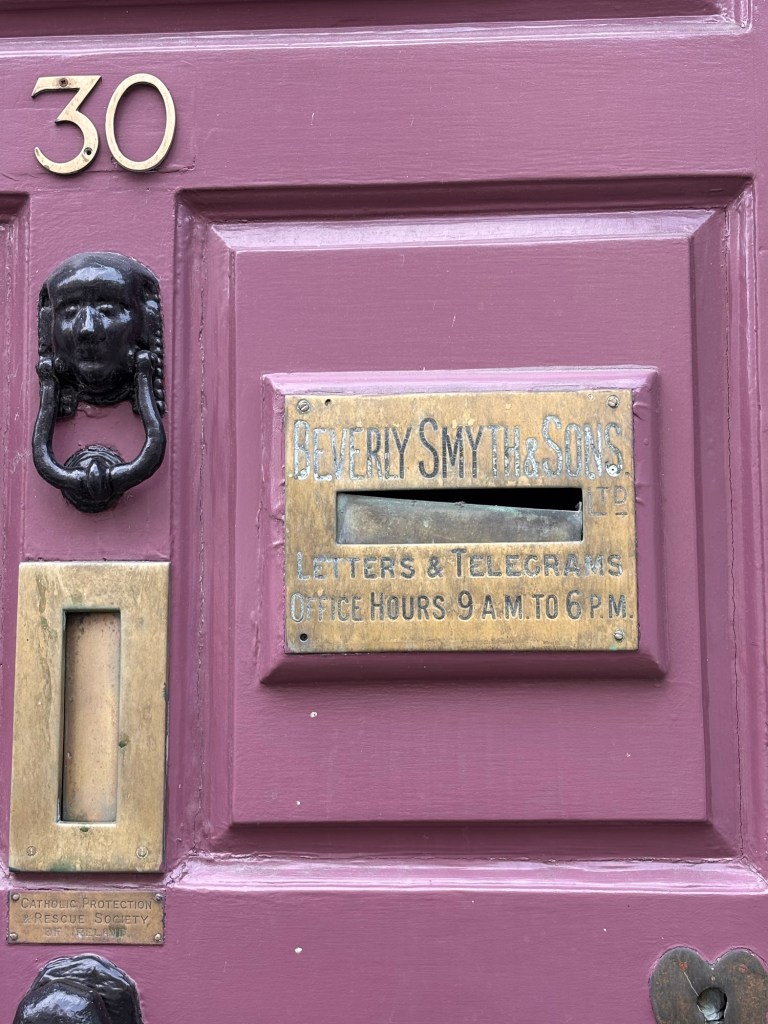
One night we walked by the address of the home where my great grandmother’s mother grew up and believe it or not, her father’s name is STILL on the door: Beverly Smyth.
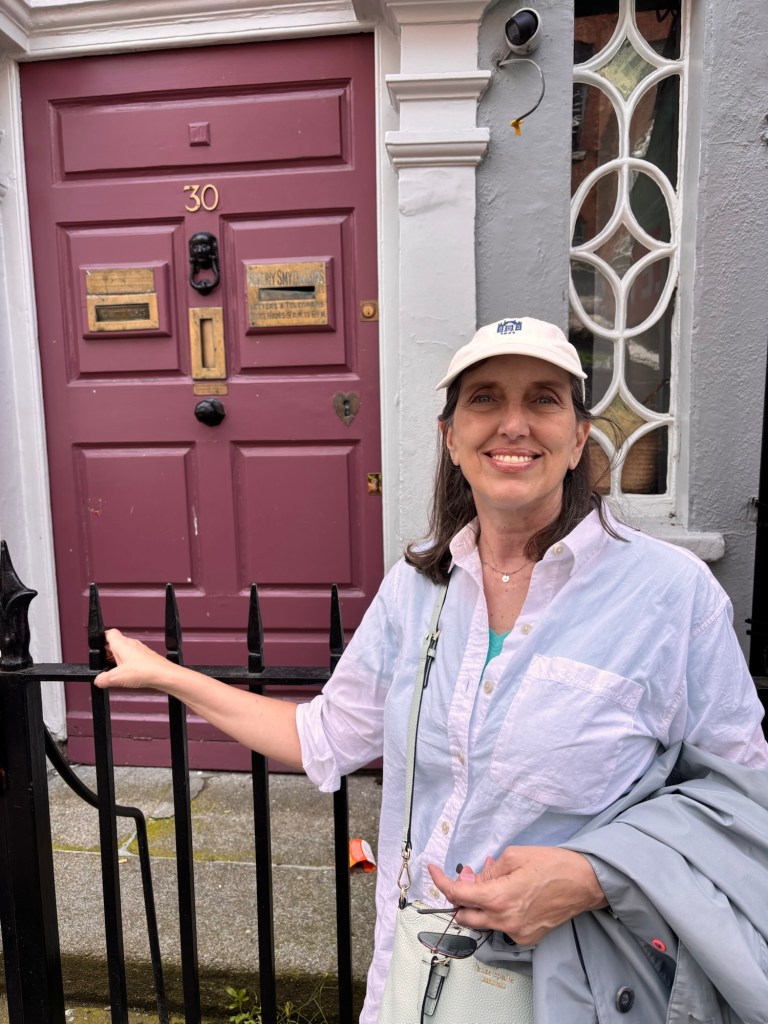

I also found the church where my grandfather’s maternal grandparents got married in 1879:

And of course, I went inside the church too, because I’m like that!



I had two other Dublin addresses for the Barrys, but did not have time to see them when I was there, so I’ll have to go back.
But the bottom line is: I’m a DUBLINER people. My people were city folk. They were not digging potatoes in County Cork. So the next time I go to the Dubliner bar in Boston, I’ll know I belong.
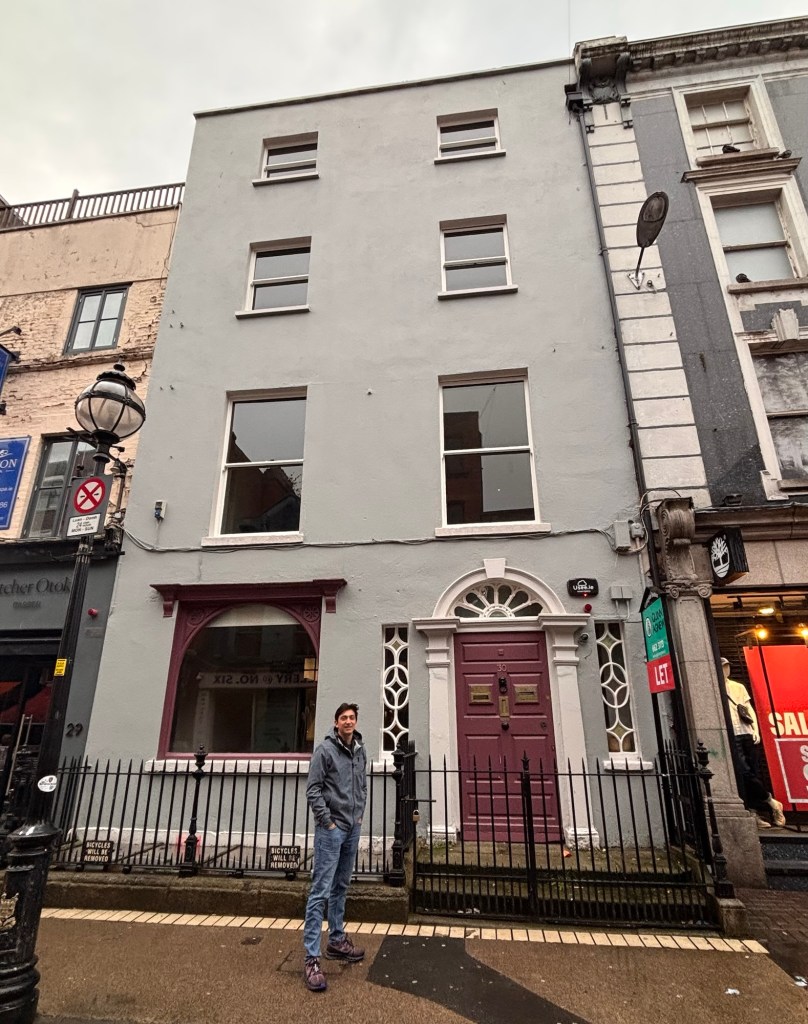
It really is in a prime city location and currently up for rent! Here’s the street it’s on:

According to the realtor, the “Beverly Smyth & Sons” nameplate can never be removed because the property is on Dublin’s list of protected properties. So maybe someday my granddaughter will visit Dublin and see her great x5 grandparents’ home.
FINAL THOUGHT: we have far too many Johns and Marys in the family tree (on both the Irish and Italian sides). Giving your kids unique first names will help future generations keep it all straight. 😜
Related posts:
I got back Monday night from Ireland and it was a really great trip, though I did end up testing positive for Covid on Tuesday. I don’t feel too bad…just a slight sore throat and some coughing (no fever). (I am fully vaccinated.) I will be wearing a mask when out until next week and I’ve moved into the guest room, so my husband hopefully doesn’t get it.
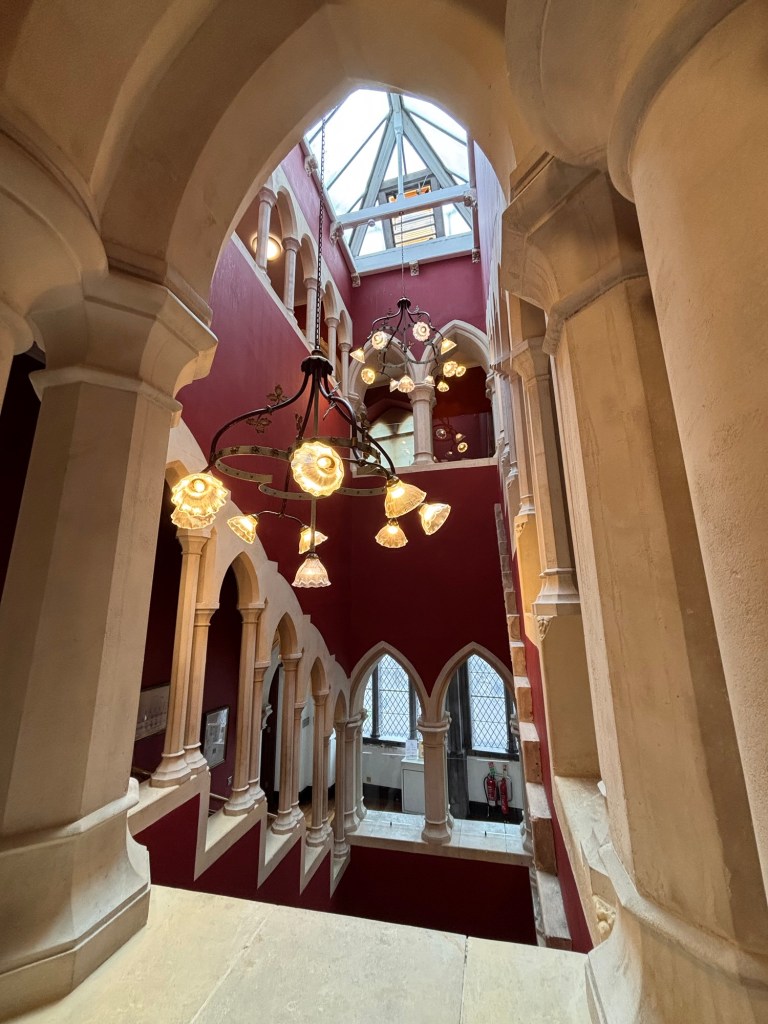
I have too many pictures! After leaving the stunning Dingle Peninsula, we went to Kilkenny by way of the adorable thatched roof village of Adare and the iconic Rock of Cashel:


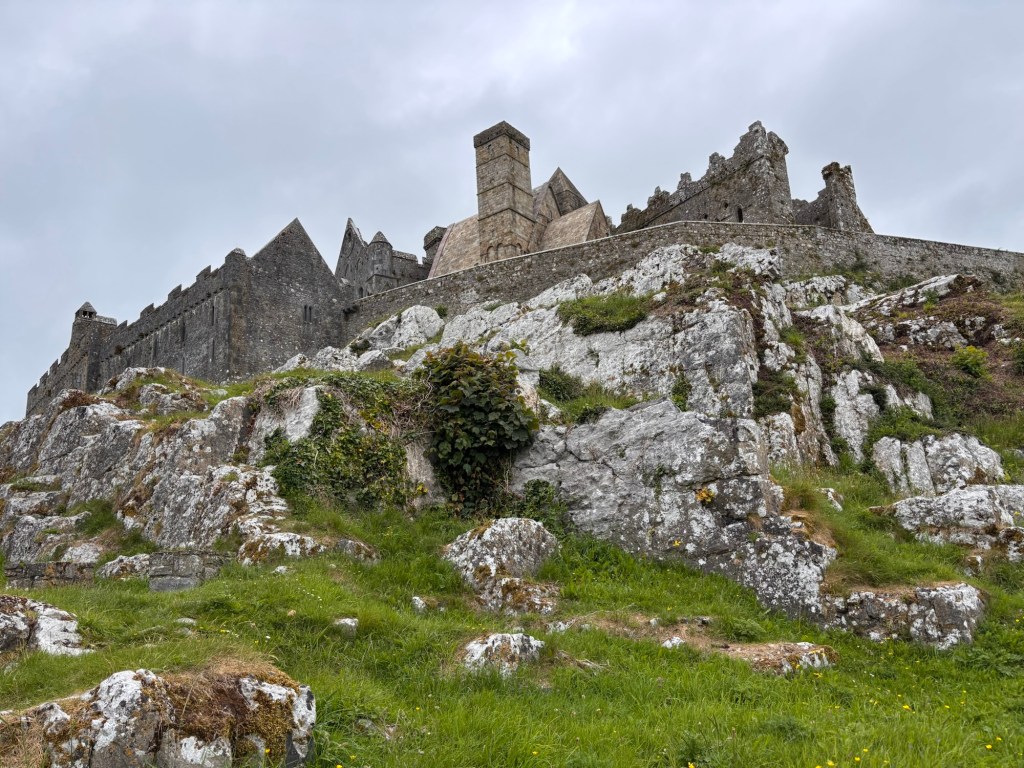
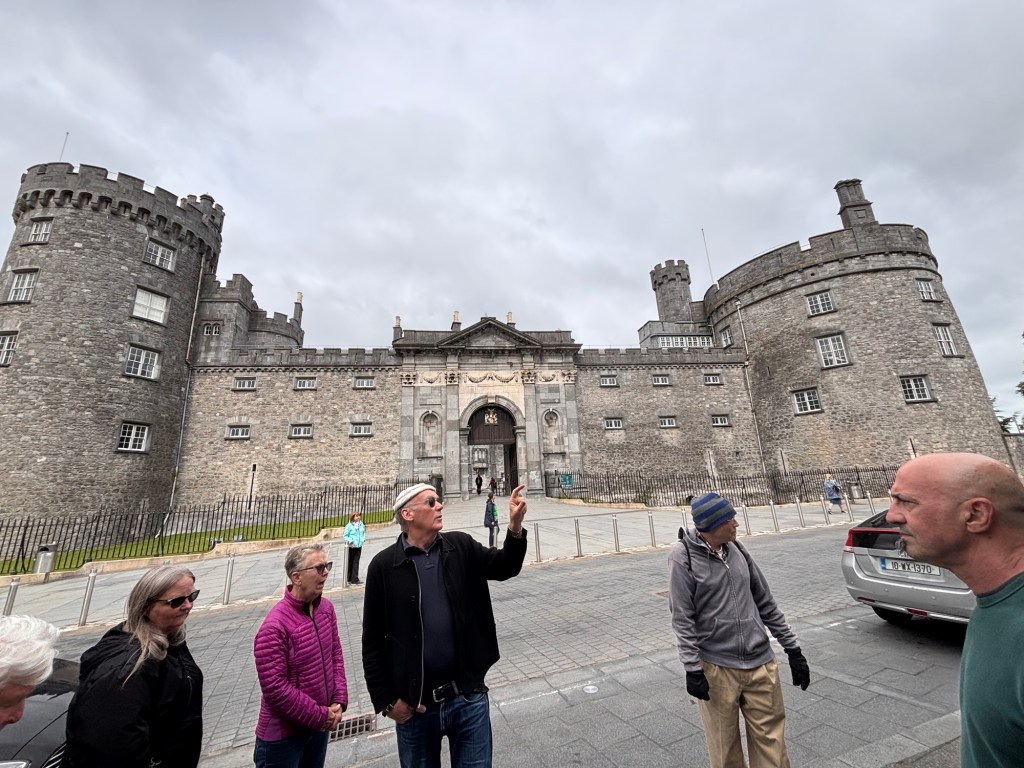
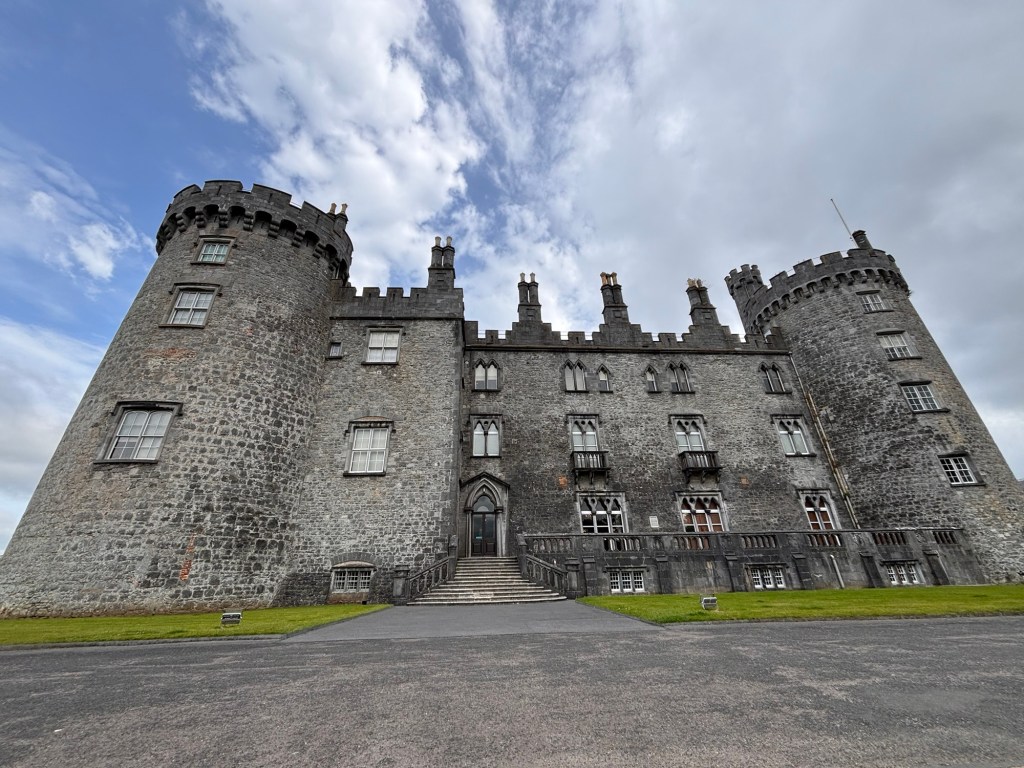
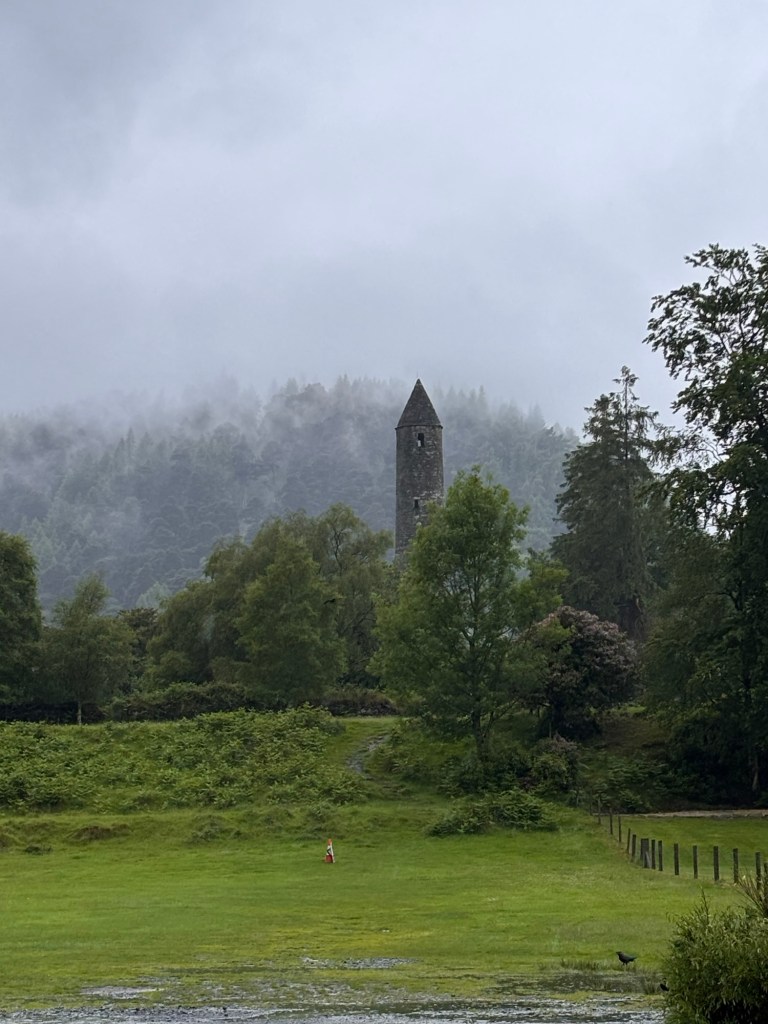
After leaving Kilkenny, we went to Glendalough—a monastic site in County Wicklow, founded in the 6th century by St. Kevin. The weather was very misty/rainy that day, but I thought it added to the ancient mystique of the place.


Next: Dublin
Related posts:

A cat outside my window has awoken me early here in the westernmost part of Europe—the Dingle peninsula.
I’ve officially turned sixty and it’s OK!
I had two shots of Bailey’s before ascending the iconic Cliffs of Moher. Highly recommend.

The sun came out yesterday and it was spectacular.


I’ve been to at least four pubs and had my first Guinness, which I liked. (I got a half pint, which you can do.) I’ve learned I do not like straight whisky.
Music abounds.

They have free healthcare and college here! And I have not seen a single American chain—no Starbucks, no Dunkin, no McDonald’s. Weed is illegal here. So…🍻!

Sláinte!
Related posts:

As my friends and classmates continue to hit the big SIX-OH, it’s a natural time to look back. After all, we’ve most definitely got more years behind us than in front of us now. (Although there was one lady in France that made it to 122.5 years old.)
Another friend posted about going deep into the woods (off the grid) for his big birthday weekend. No party or foreign travel for him. Just weed and contemplation I guess.
When we were all sophomores in high school, Ronald Reagan was elected President of the United States. In my mind, this was when the “fringe & ponchos” 70s truly ended and materialistic preppiness became fashionable. We replaced our earth shoes with boat shoes. Brand name labels (Izod, Polo, etc) were everything.
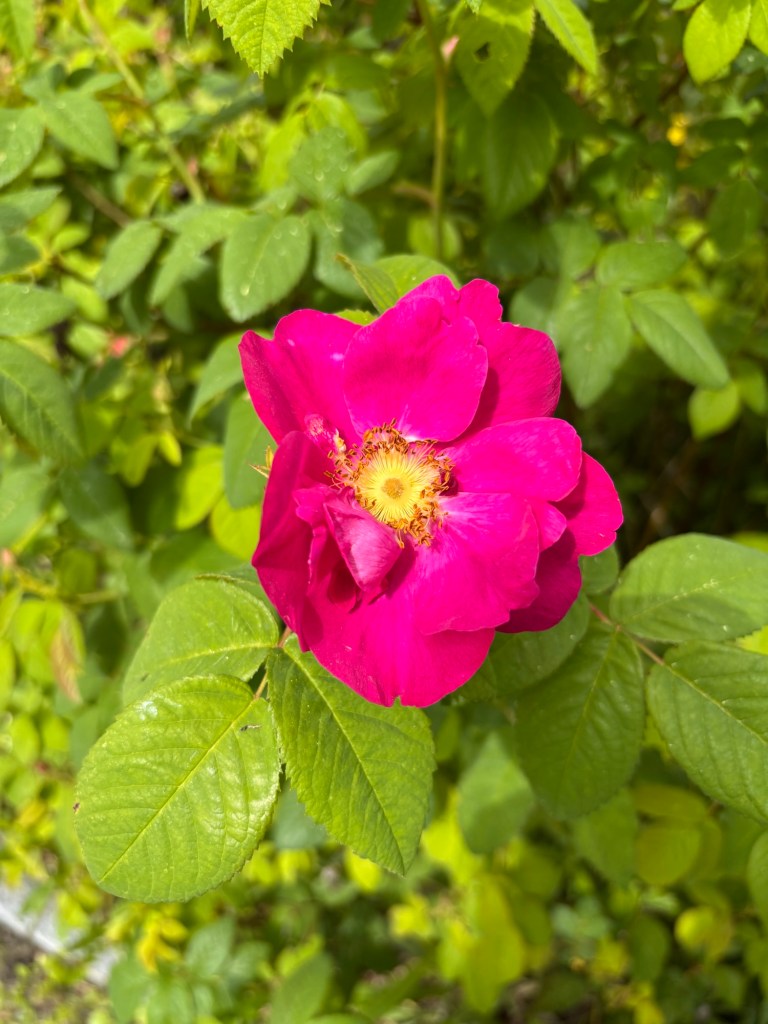
And as every true GenXer knows, the definitive preppy color combo was and always will be: Pink & Green. It’s not a color combo I wear much anymore, but I sure do like it in a garden.



We’re getting pretty lousy weather for Memorial Day weekend—the kick-off of “summer” here in New England. It’s currently 43 degrees F and raining. My heat is running. (They’re saying it’s a slow moving Nor’easter.) Last weekend wasn’t much better.
I was in Portland (Maine) last Friday and Saturday. We saw some sun on Friday, but by Saturday the downtown was misty and chilly.

By Friday evening, the chilly mist had rolled in. It almost looked like part of the ship was on fire in the dark. There was a darker eerier blue/black mist coming from one section of it.

My friend Gail and I like to investigate mysteries we encounter on vacation. Here’s what we learned (but feel free to skip this part and go right to the food photos at the end):
The dark, smoky mist being emitted from the ships exhaust stacks was due to the ship’s use of exhaust gas cleaning systems, commonly known as “scrubbers,” during maintenance operations. The MSC Meraviglia was docked in Portland for emergency repairs, specifically to replace damaged propeller blades. Since the ship couldn’t return to a dry dock, dive teams conducted underwater repairs, utilizing hydraulic grinders to remove and replace the faulty blades. During this period, the ship operated its engines to power onboard systems, leading to the activation of its scrubbers. These systems are designed to reduce air pollutants by “washing” exhaust gases, but they can produce visible emissions, especially when the ship is stationary and undergoing maintenance. The emissions sparked concerns among local residents and environmental groups. While scrubbers reduce airborne pollutants, they can transfer contaminants to the water, potentially harming marine ecosystems. In response to over 50 complaints, city officials engaged with the ship’s captain, resulting in a switch to cleaner-burning fuel to mitigate the environmental impact. (It didn’t look much cleaner to me, but I didn’t see the smoke earlier in the week.)
This blog explains what was happening with the MSC Meraviglia and how some states (like California) ban scrubbers near the coastline.
Honestly, the cruise ship industry seems so environmentally harmful and disease-prone, I’m not quite sure why cruises are so popular.
We saw the MSC Meraviglia leave the harbor on Saturday, but another huge ship had pulled in. (At first, we thought the Meraviglia had just moved to a different spot, but then we saw it was the MS Zuiderdam.)
The MS Zuiderdam, operated by Holland America Line, was docked in Portland, Maine, as part of its 15-night “Atlantic Seaboard & Colonial New England cruise,” which began in Fort Lauderdale, Florida, and ended in Quebec City, Canada.
PORTLAND FOOD
Given that the weather was bad, we abandoned plans to take the ferry to Peaks Island and decided to try as many of Portland’s popular eateries as possible. We ate our way through the Maine mist.

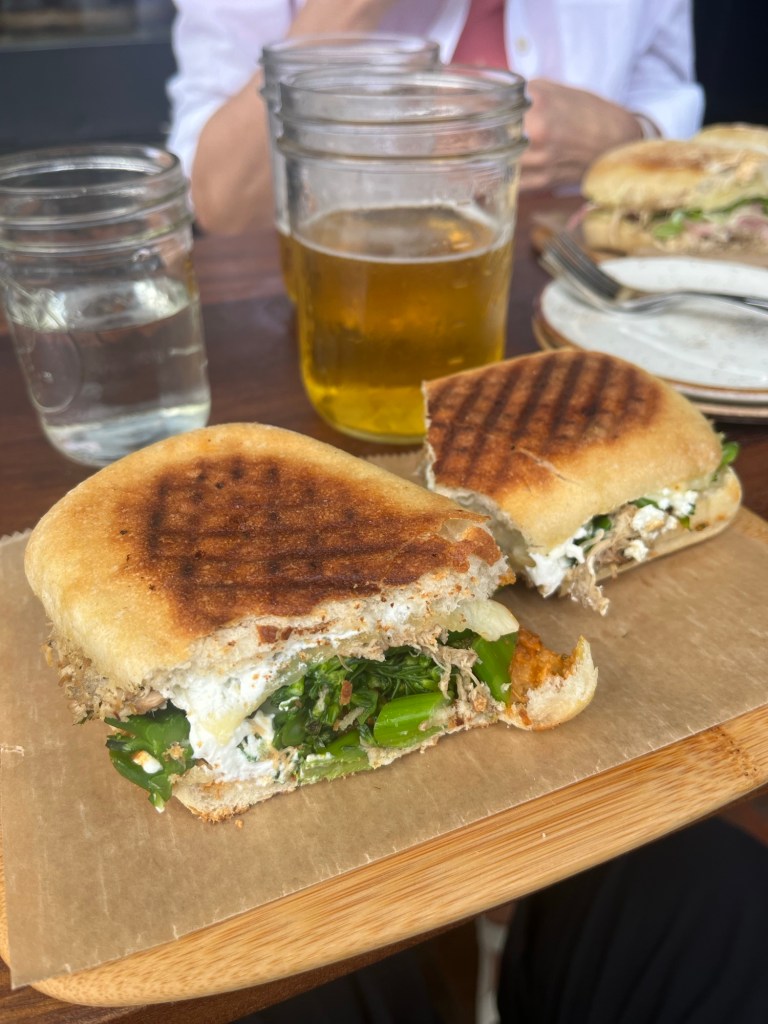


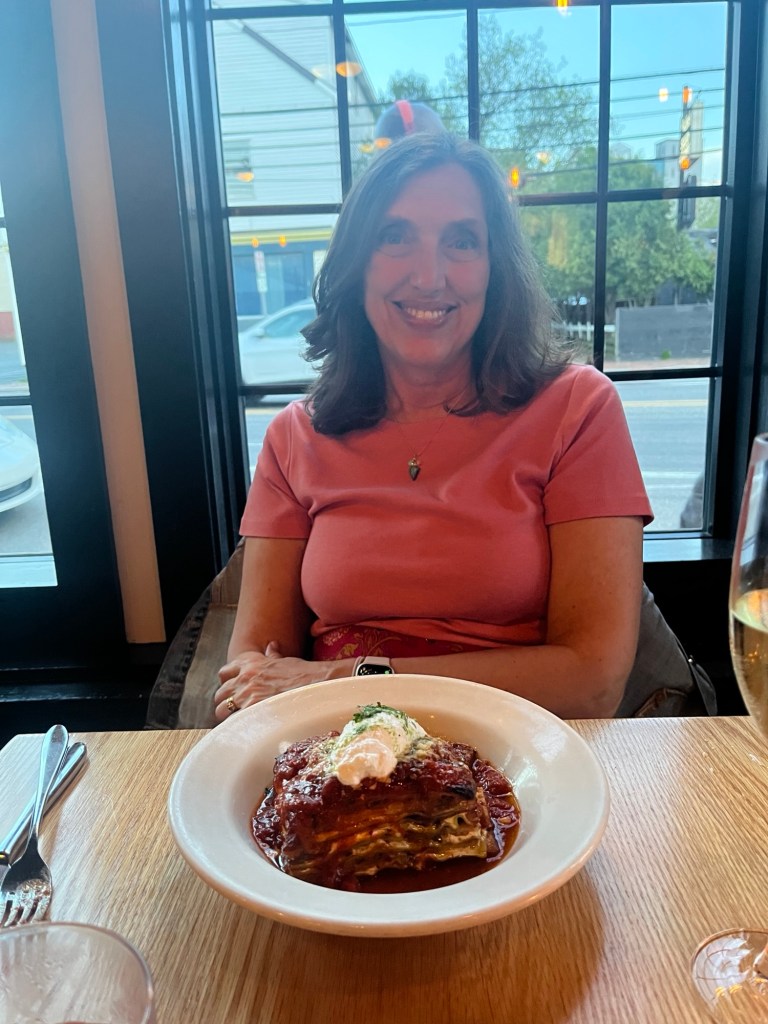

Not pictured, but highly recommended: Gelato Fiasco on Fore Street. The gelato is delicious and they also have great coffee and tea. They’ll even make you an affogato—a single or double espresso shot poured over gelato.


Portland is less than two hours from Boston, so it’s not a bucket list destination for me. I’d been there before and I’m sure I’ll go there again at some point. I don’t think I’ve ever seen Portland in warm sunny weather though. It’s always misty and grey for me.
But hey, it’s Maine.
One final note: the city gives liberal/hipster vibes. I saw not one MAGA hat, shirt or sign, which is a major plus for me. In the 2024 U.S. presidential election, Kamala Harris won Portland with approximately 80.5% of the vote, while Donald Trump received about 15.6%. Good job Portland. I’ll be back.


Tiny bell-shaped blooms
Sweet, intoxicating scent
I bring a few in
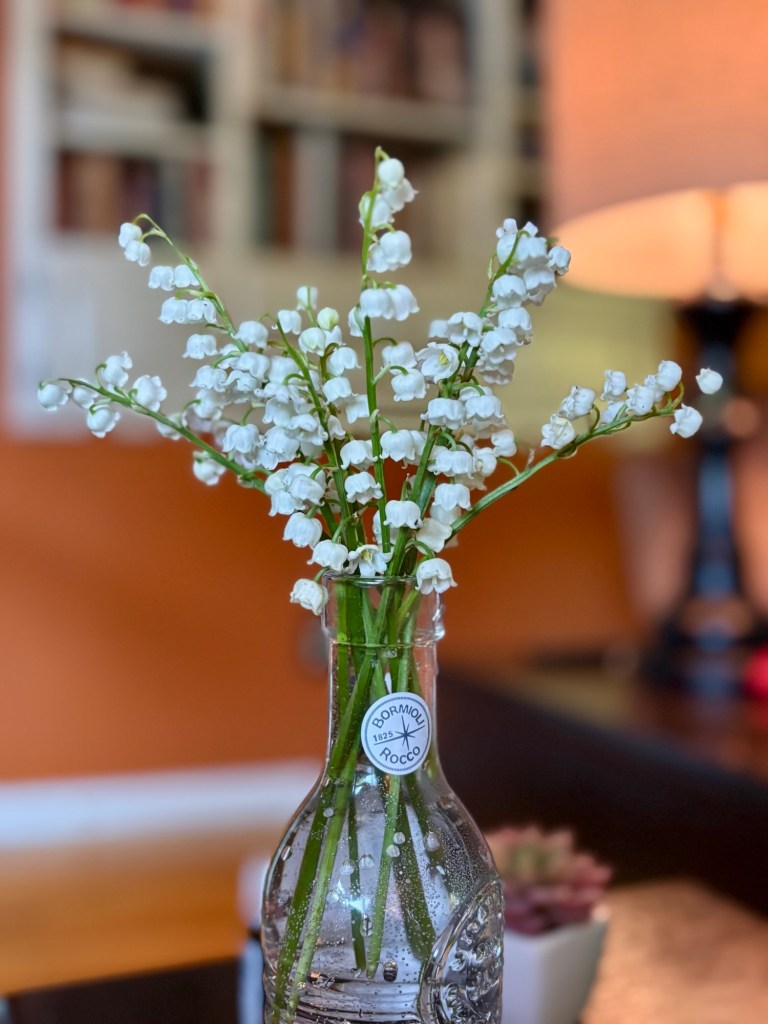
Happy Mother’s Day
💕


Lilac bough arches
over the sidewalk it calls
Bury your face here
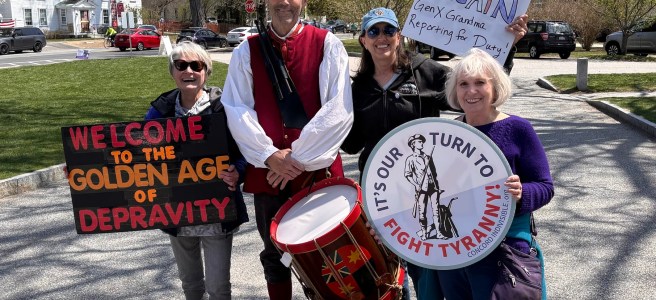
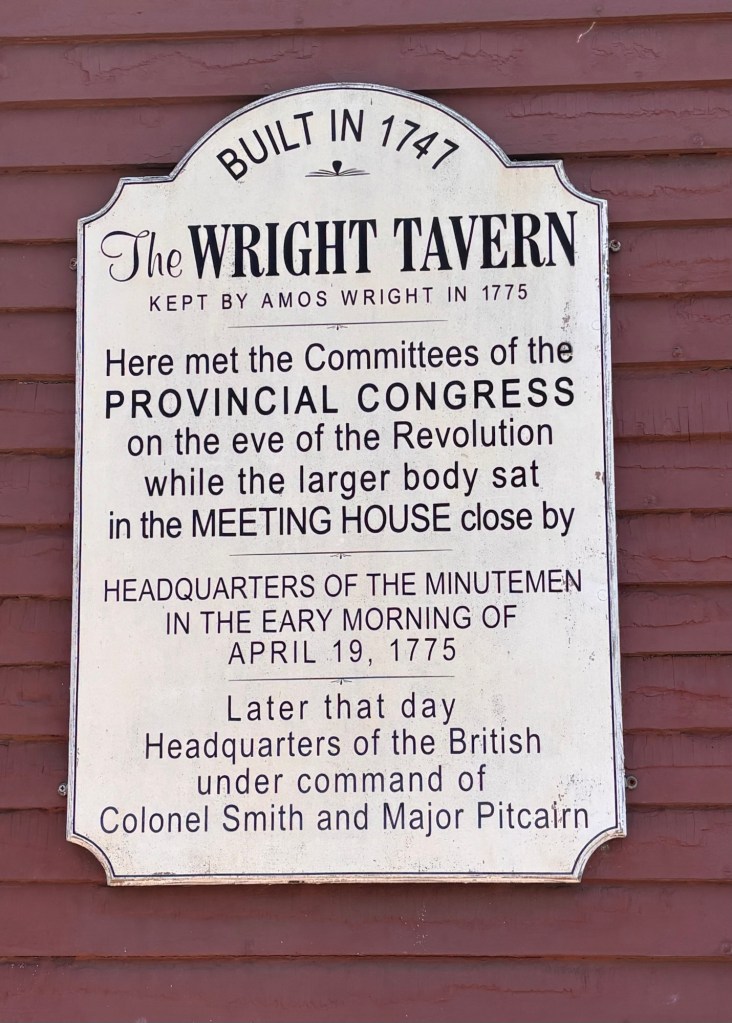
Patriots Day is a special Massachusetts holiday commemorating the start of the American Revolution. In case you don’t know the story: On April 18, 1775, British regulars (aka “Red Coats” because they wore bright red uniforms) marched from Boston to seize weapons stored by colonial militias in Concord. Paul Revere and others rode ahead to warn colonists. At dawn on April 19 in Lexington, Red Coats confronted about 70 militiamen (aka “Minute Men” because they could be ready to fight in a minute); a shot was fired—“the shot heard ’round the world”—and fighting began. Eight colonists were killed. The British continued to Concord but met fierce resistance. Amazingly, the Minutemen forced the Red Coats to retreat to Boston under heavy fire using fighting skills they learned from native people. A bunch of ragtag New England farmers chased the world’s most powerful army back to Boston with their tails between their legs. This marked the start of the American Revolutionary War.
Patriots Day is also the day they hold the Boston Marathon and many people have it off work.
This year, Massachusetts is kicking off the 250th birthday celebrations for the entire country. We’ve had all sorts of patriotic celebrations this weekend—all with a decidedly anti-Trump sentiment.
If you have time, it’s worth watching historian Heather Cox Richardson give an address at the Old North Church detailing the events leading up to the “midnight ride of Paul Revere.” One of her final points is that the two men who lit the lanterns in the steeple to start the process of warning the colonists that the British were approaching “by sea” were not doing anything extraordinary. They were just doing what they considered to be “the next right thing” at that time.
Since the heartbreaking election in November, I haven’t felt much like getting back out there and joining the resistance, but Patriots Day is special.
I was there in Concord for the Bicentennial in 1976, and wasn’t going to miss out this year. It felt like “the next right thing.”




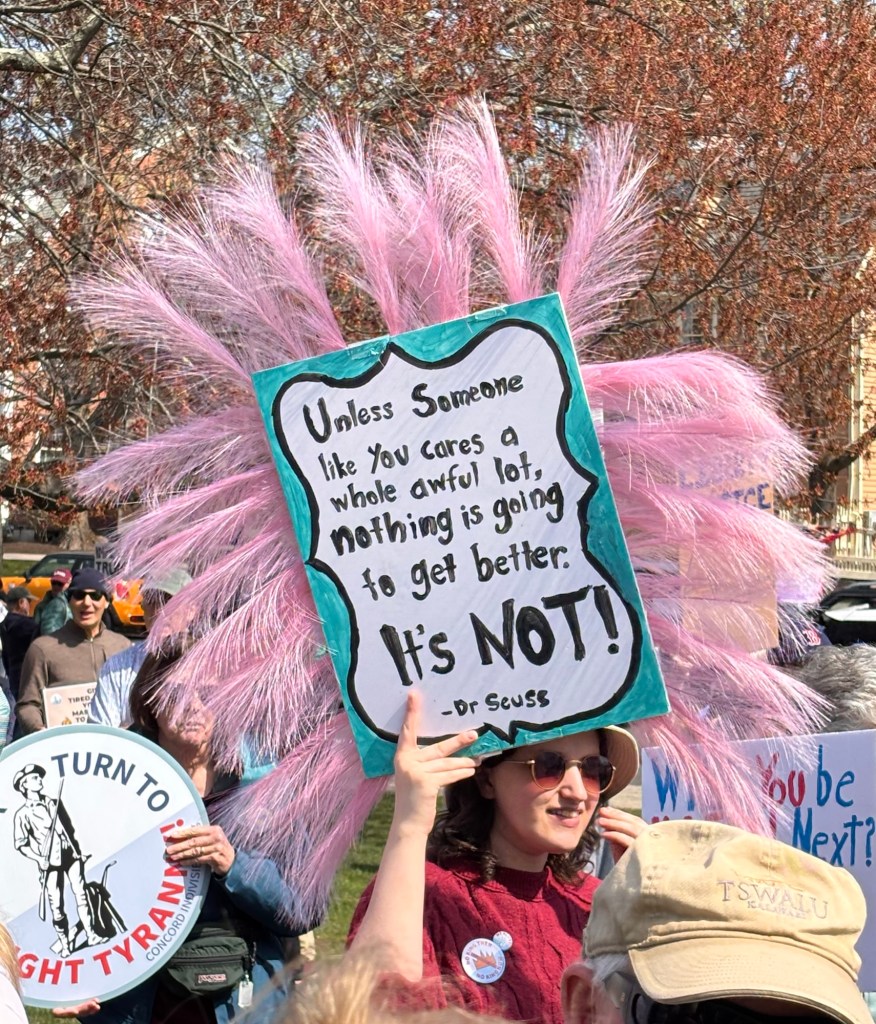


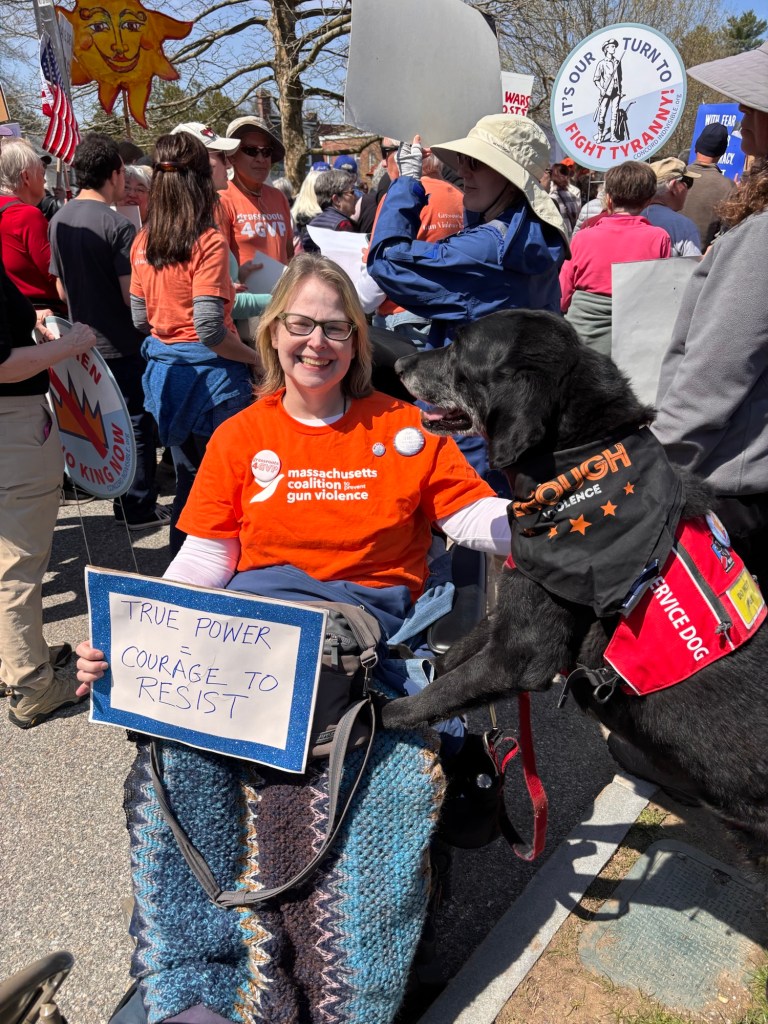
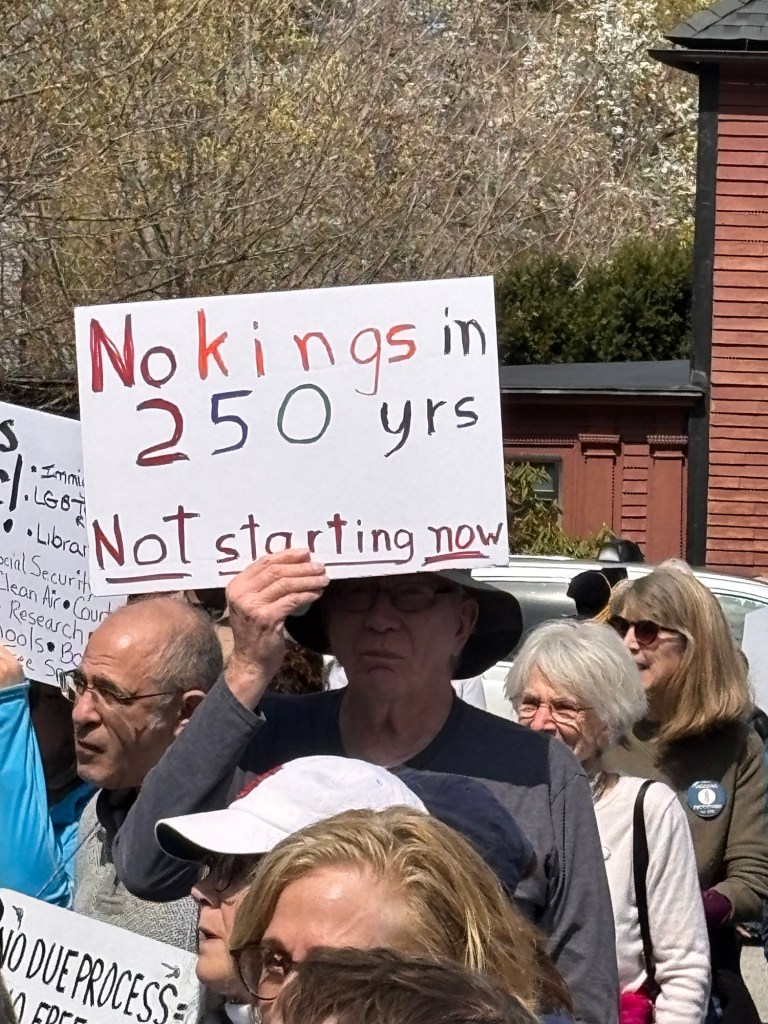

No Kings.
🇺🇸
 50 Happens