![A logo for "50 Happens," [a site dedicated to Gen X women with children and grandchildren] [who embrace life's challenges with humor and resilience], [featuring a modern and uplifting design] [that embodies strength and positivity] [with an elegant and playful style] [and a harmonious blend of colors like pink, fuchsia, purple, and blue].](https://50happens.blog/wp-content/uploads/2024/12/img-5uorrxvwartomopcpuhjfjd0.png?w=300)
The Winter Olympics end today. And thanks to Alysa Liu and her fellow skaters (but mostly Alysa), they were very satisfying for me. I really enjoyed watching the figure skating “gala exhibition” yesterday, especially the opening with the entire US gold medal team skating together.
Now I know there’s still the little matter of the US v Canada Gold Medal Men’s Hockey game yet to come in about an hour. (I’ll be at church for most of it, but I’m sure my husband will watch intently.)
The last thing I actually care about is the Closing Ceremony in Verona, which starts at 2:30pm EST.
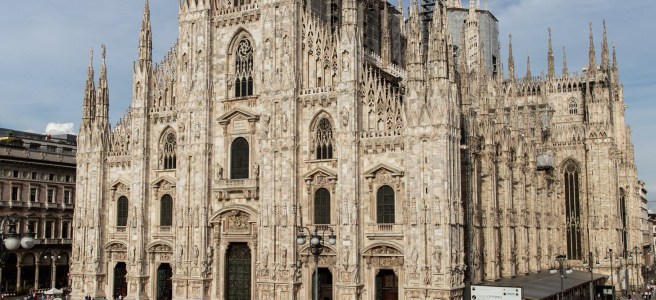
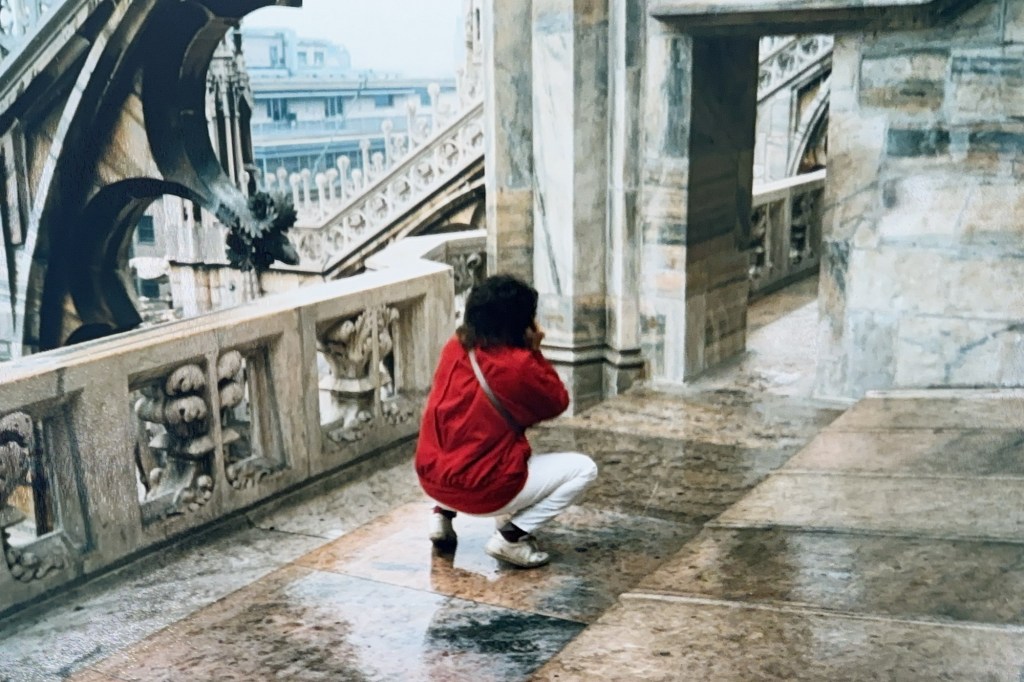
I thought I had been to Verona during my semester abroad in 1985. I had a very vague recollection of wandering around the city thinking about the Montagues and the Capulets. But, unlike Milan, there is no photographic evidence from Verona.
Then I remembered that I started buying postcards, rather than taking pictures, at a certain point during my time abroad. Maybe it was because it was a pain to get film developed and printed in Italy, or maybe I just got tired of always lugging my camera around with me.
Anyhow, I recently located my stack of 41-year old postcards and sure enough there is one from Verona:
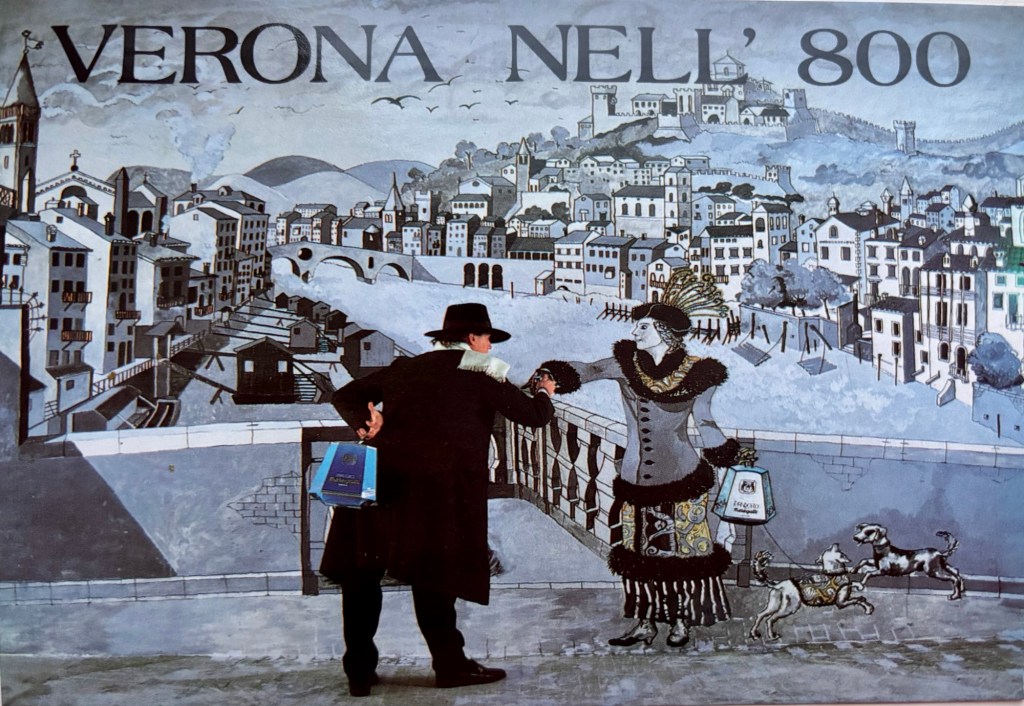
This actually looks like something I would buy if was wandering around thinking about Romeo & Juliet. Very romantic in a 1980s kind of way. Note the shopping bags. This was very much the vibe of a 1980s semester abroad in Italy. We were there to see stuff, buy stuff, meet people, and generally have a good time. Studying was not a priority. Anyone who spent a lot of time studying in their room was missing the whole point of being over there.
So yes, I can confidently say that I have in fact been to Verona when I watch the Closing Ceremony today. (My husband will only be half-listening when I say this, but hey, l’ll only be half-listening while he watches that hockey game.)




 50 Happens