OK, we’ve reached the last day of 2025. It was certainly not the year I had hoped for when I worked on the 2024 election. Let’s face it, a full year of Trump 2.0 has been devastating. Ain’t no way to sugarcoat that. And we’re only 25% done with the senile tangerine rapist’s second term.
But I’m going to look back on non-political memories of 2025 and post 12 photos (one from each month). I double-checked that these are all photos I haven’t previously posted. No more Ireland pics I promise!
January—We lit a fire in our fireplace and I made a truly top notch s’more.
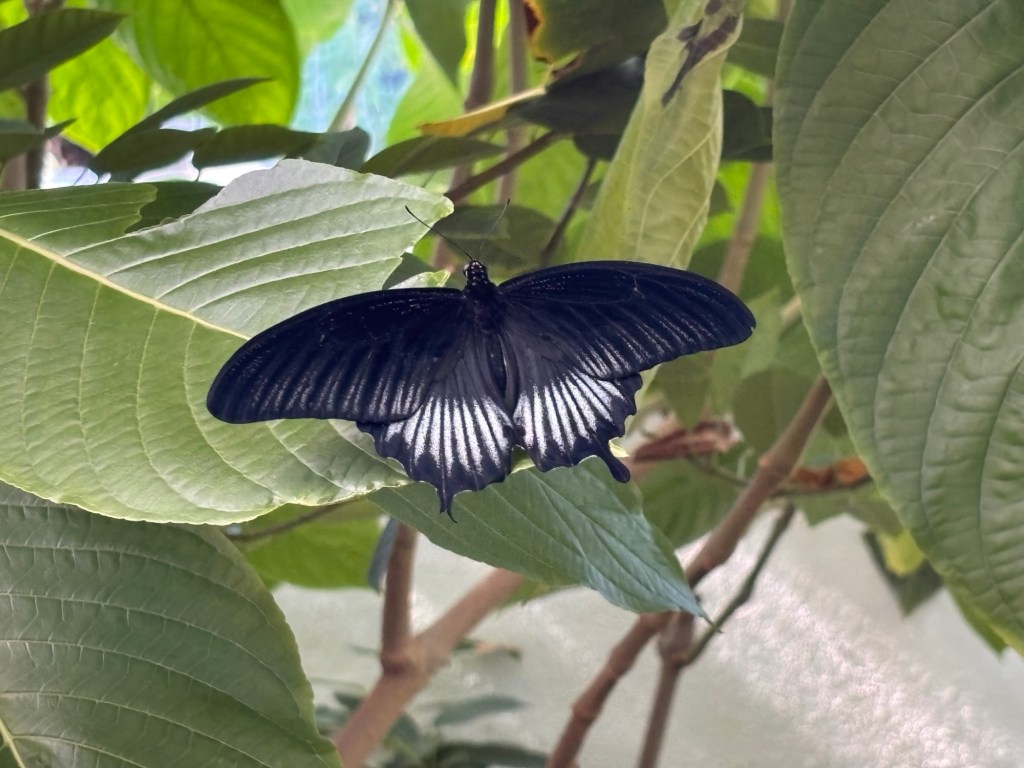
February—a black and white butterfly in the Key West Nature Conservatory
March—a hauntingly beautiful self-portrait by Vincent Van Gogh at Boston’s Museum of Fine Arts. This one was painted around the time he was hospitalized for severe mental illness.
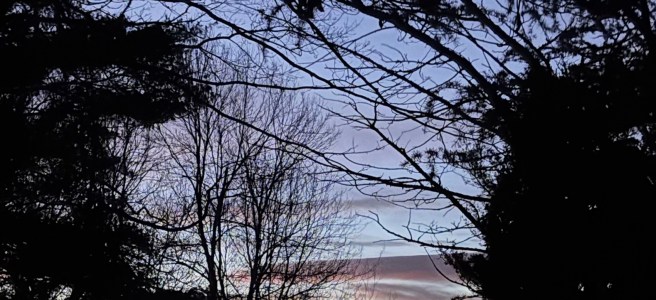
April—my driveway on April 12. This is the only major problem with Massachusetts…winter lasts forever.
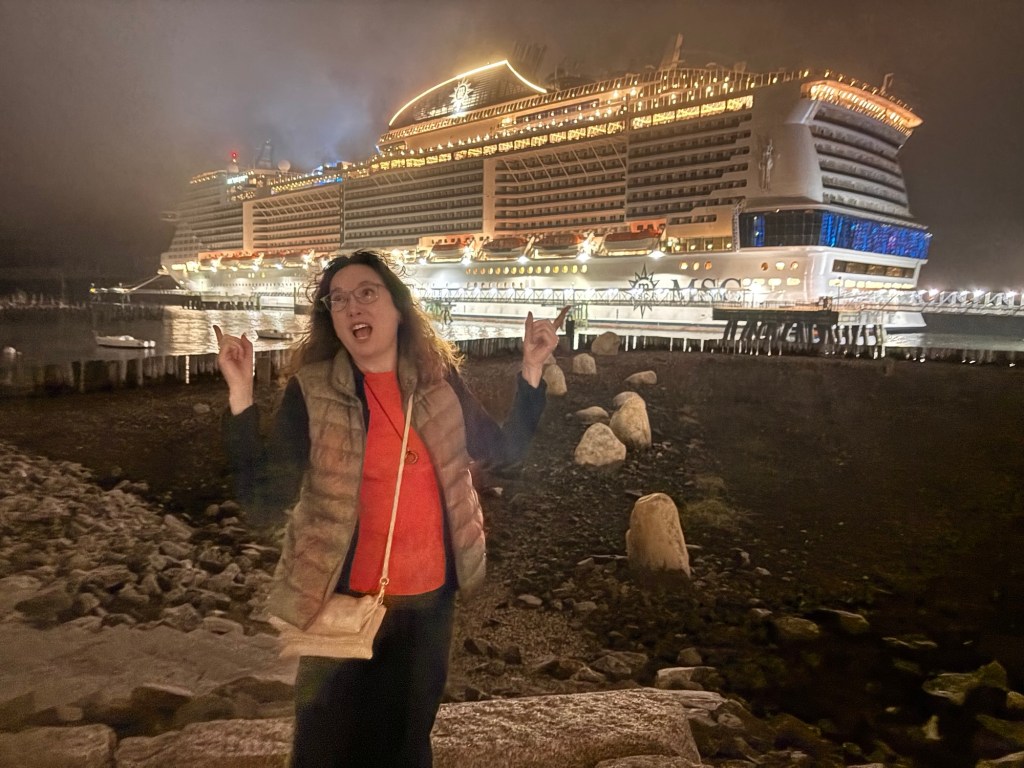
May—a chilly and misty weekend in Portland, Maine with my dear friend Gail who turned 60 about a month before I did. Who knew cruise ships stopped in Portland?
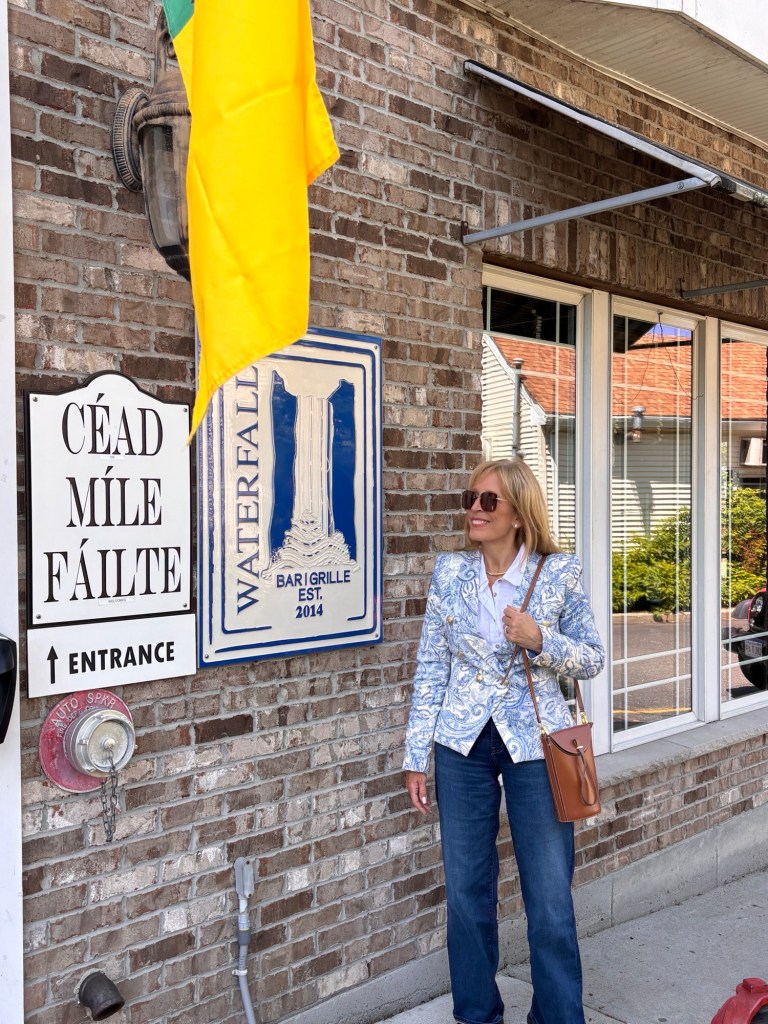
June—For my birthday, my dear friend Susan took me on a “Karen Read” tour of our old hometown (Canton, MA), which was the epicenter of the Karen Read Murder Trial in 2025. Here she is in front of the infamous Waterfall Restaurant, where we had lunch. (IYKYK)
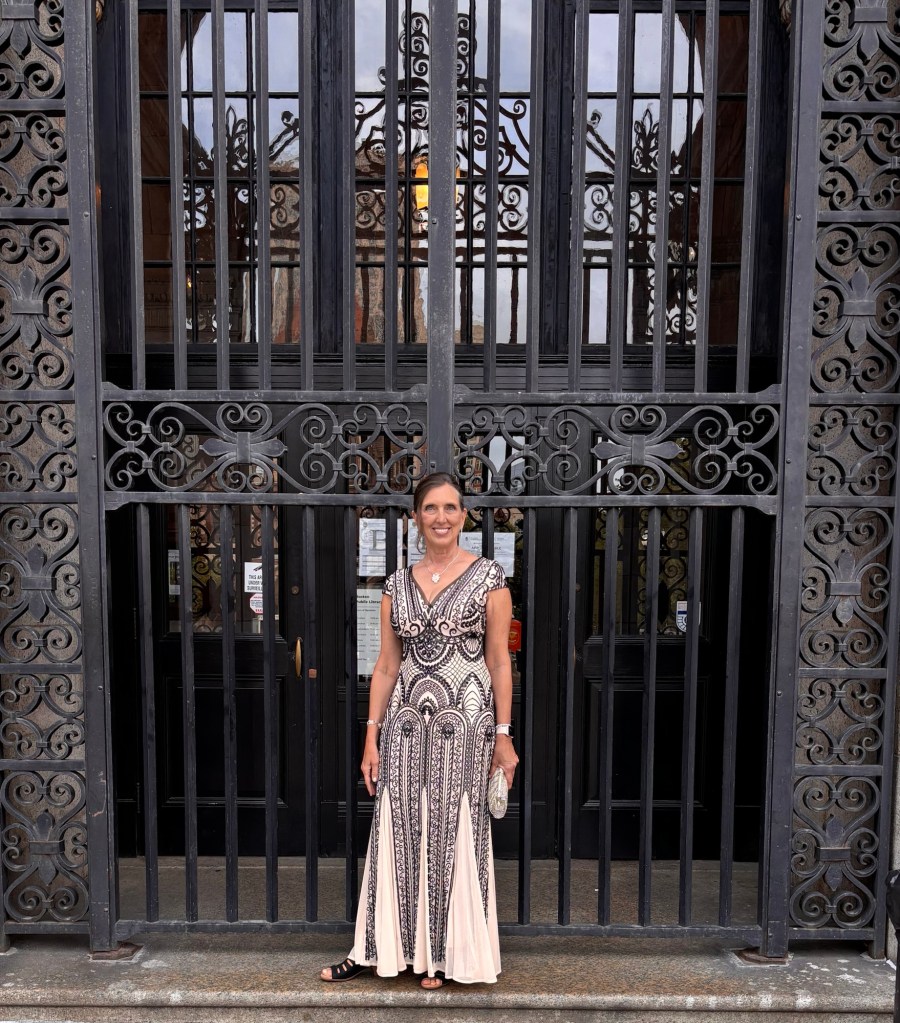
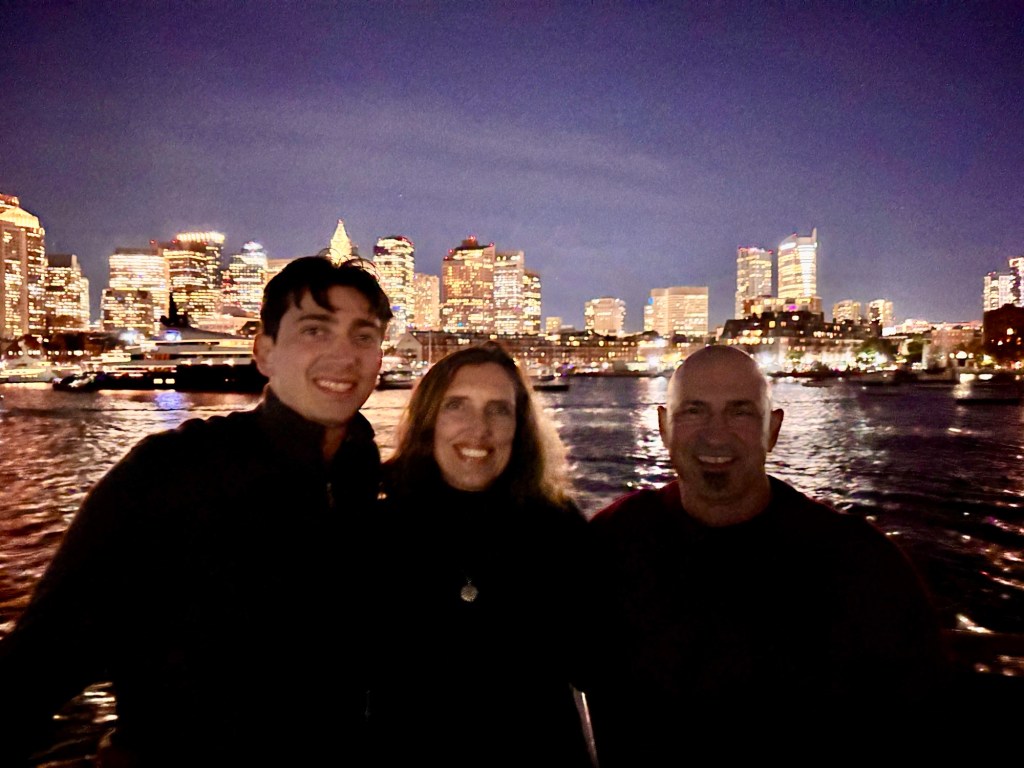
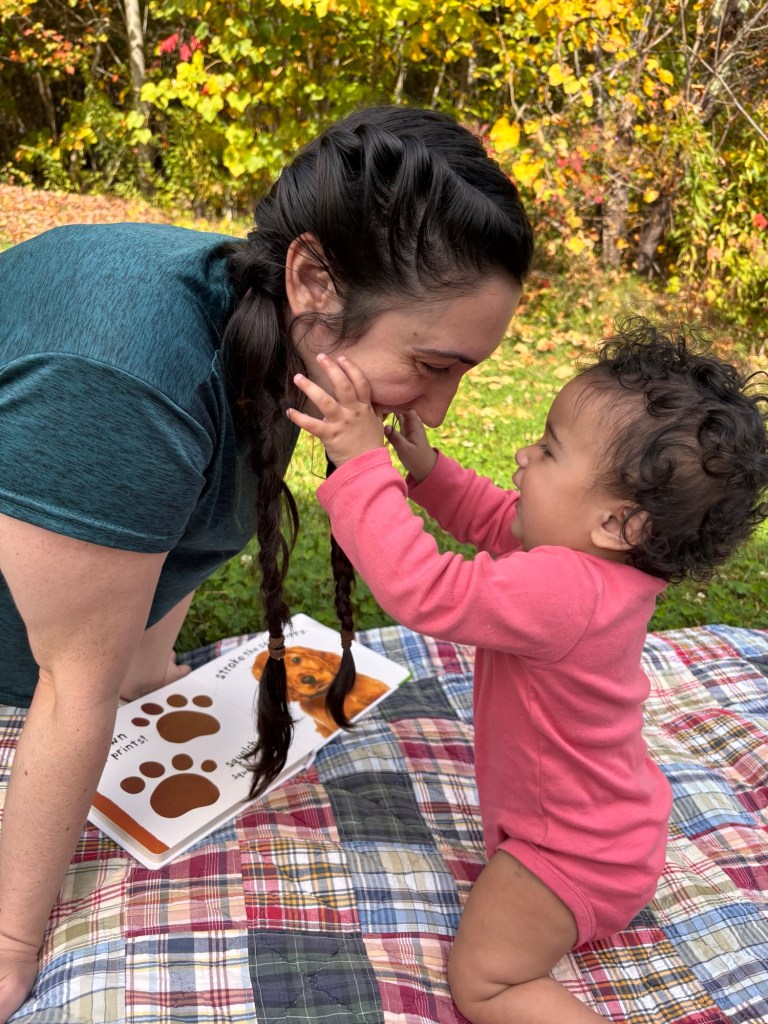
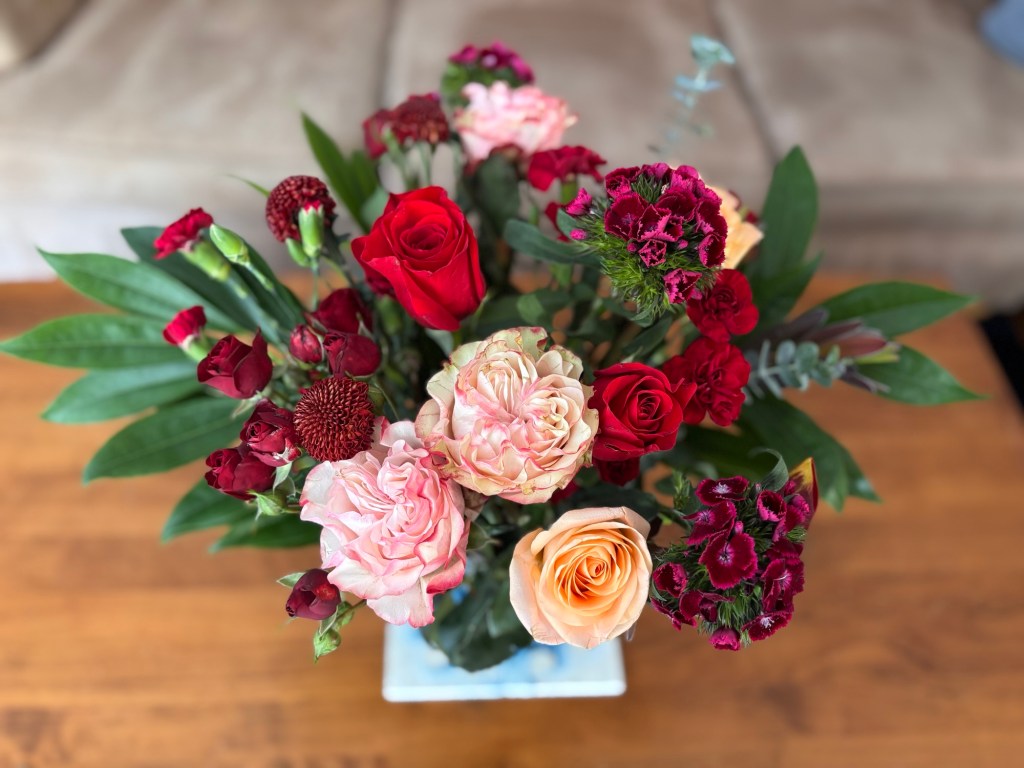
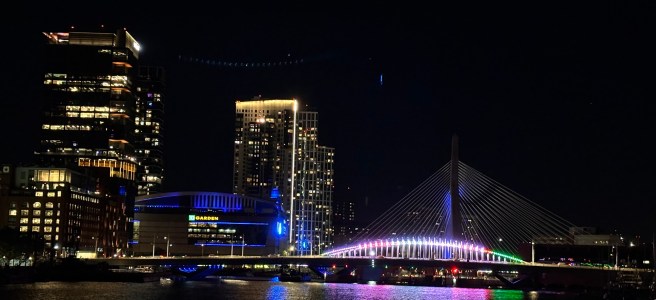
July—I went to a very elegant wedding in the Boston Public Library and my dress matched the library gates. It is hereafter known as “the wrought iron gate dress.” August—my son, husband and me on a Boston Harbor cruise in late August. It was already getting chilly at night be then, but at least that meant I got to wear my new wool sweater from Ireland.September—my granddaughter turned one that month. I love her and her wonderful mommy so much. 💕October—Monthly flower arrangement from BloomsyBox
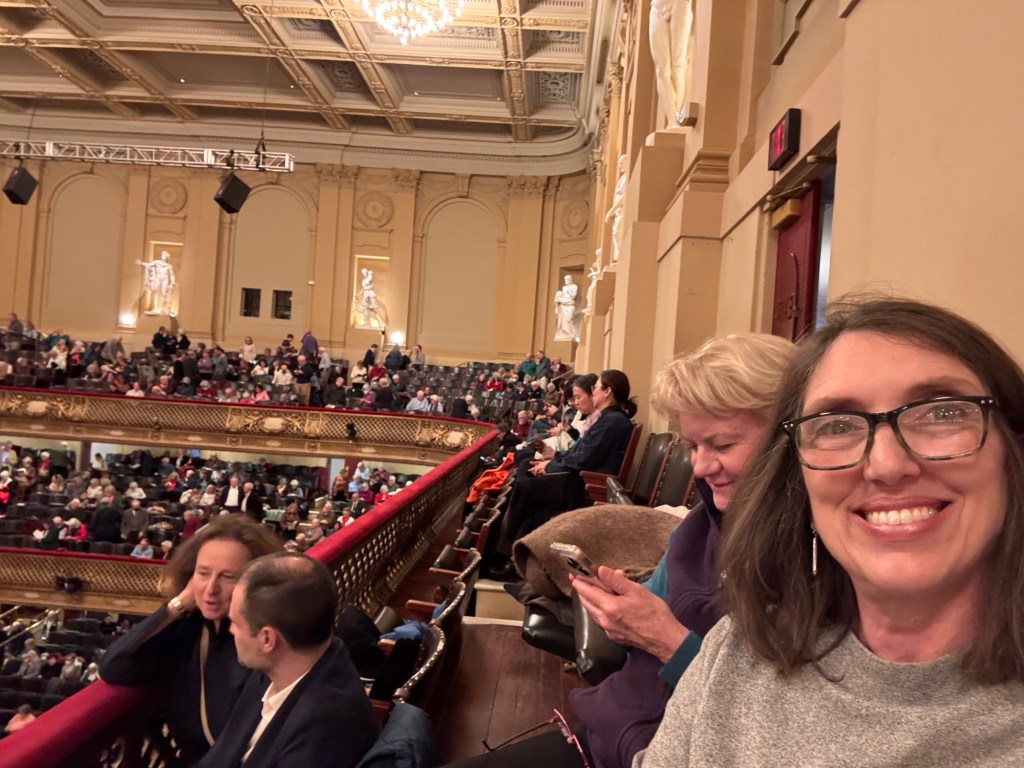
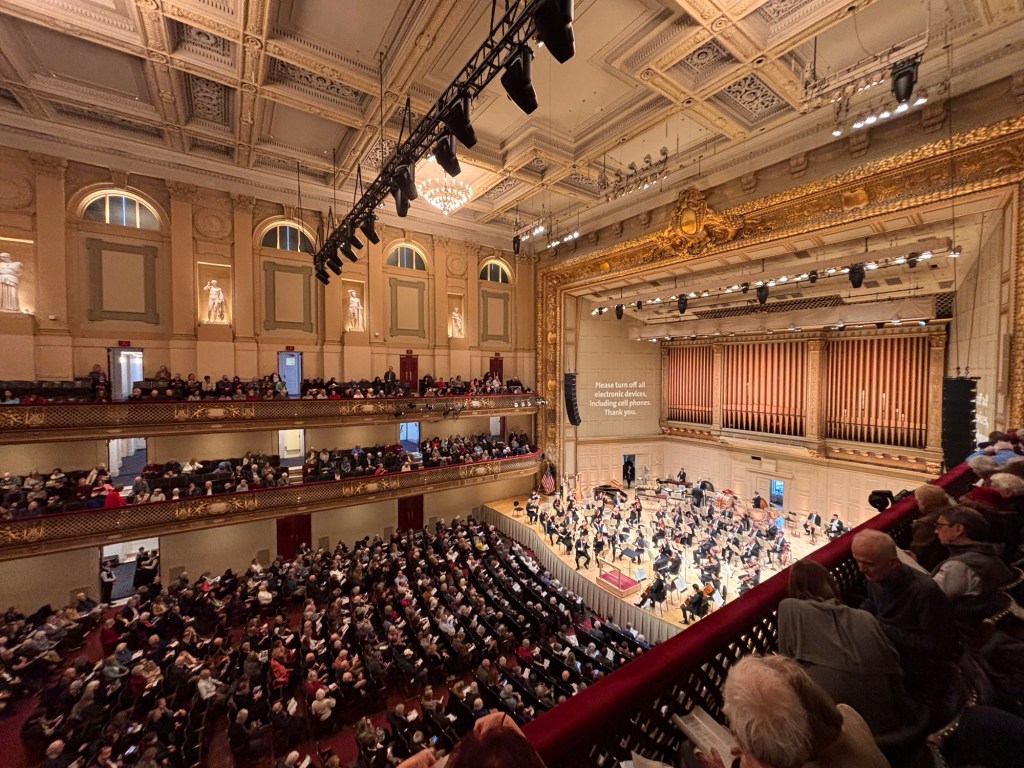
November—I went to a wonderful concert in Boston’s Symphony Hall with my dear friend Eileen who absolutely HATES to be in photographs. I’ve never seen anyone refuse to smile for a camera like Eileen. We had a great time up there in the second balcony.
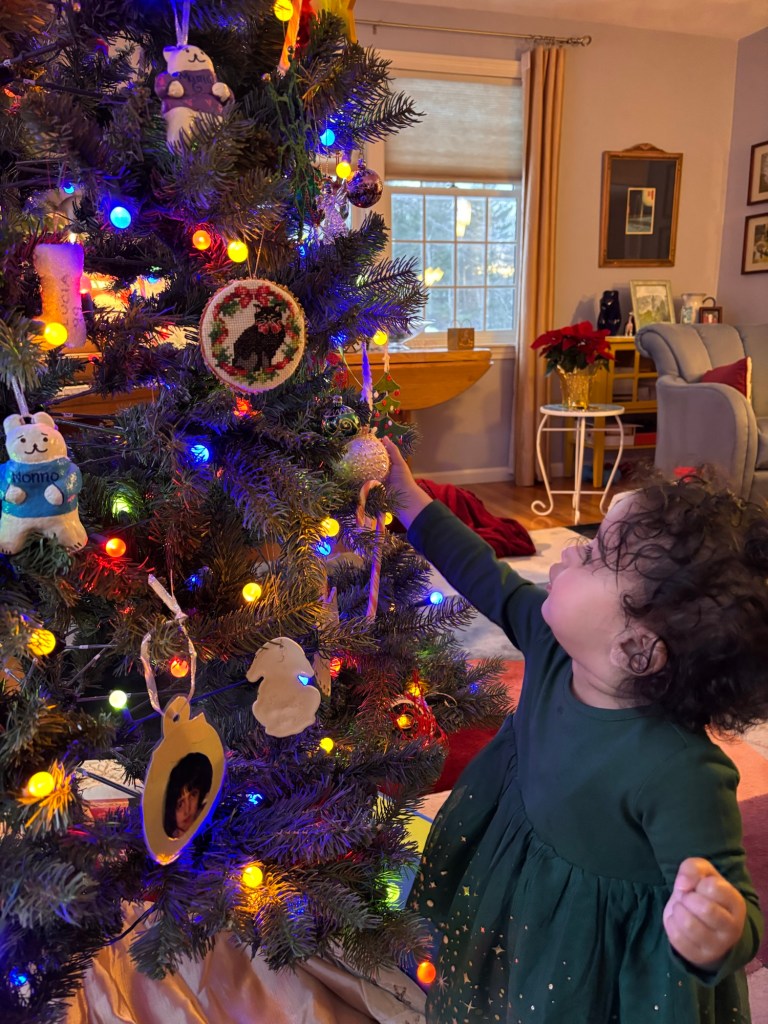
December—We had the most wonderful Christmas with this darling girl.
Wishing everyone a Happy New Year’s Eve. Our plan is to go to the movies to see Wicked Part 2. I’m a Wicked fan, but we haven’t seen Part 2 yet due to The Knee. Hopefully this first foray back to the movies will go well.
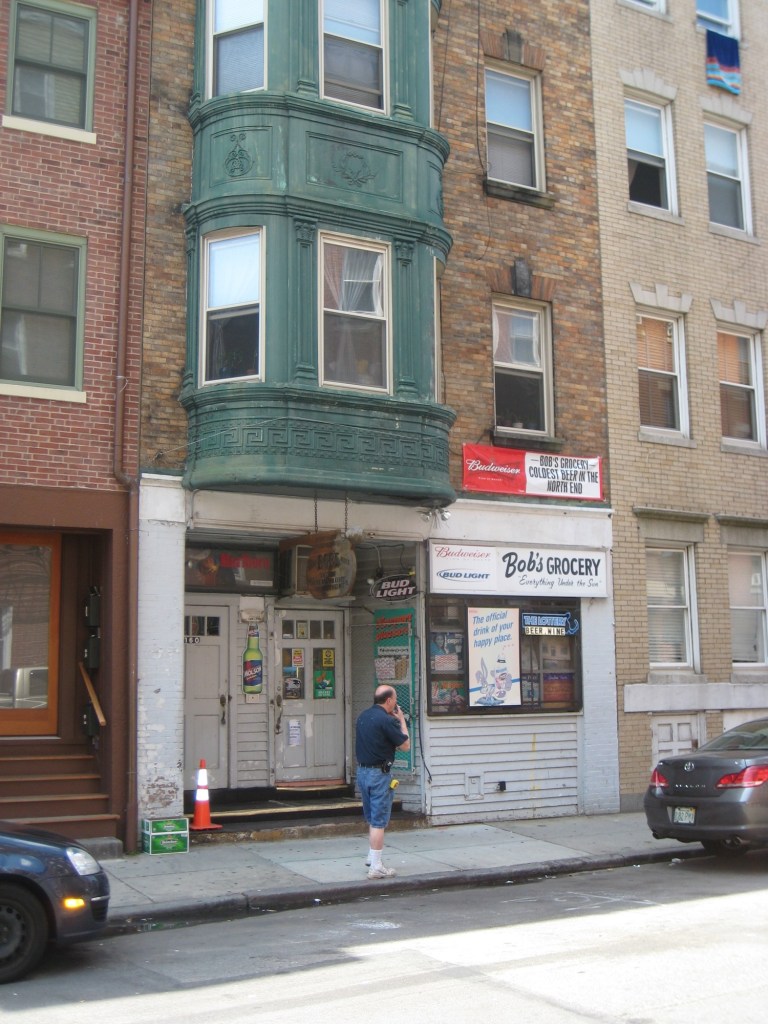
There are many beautiful old doors in Boston’s historic North End (aka the Italian neighborhood), but 160 Endicott Street is not one of them.
It’s an old, unrenovated building……in a great location in Boston’s North End—just around the corner from the original Pizzeria Regina
It is, however, a meaningful door in terms of my life story. I lived there in the early 1990s with my roommate Bridget, a friend from work. It was the last place I lived as a single woman. After that, I moved in with a boyfriend who I later married.
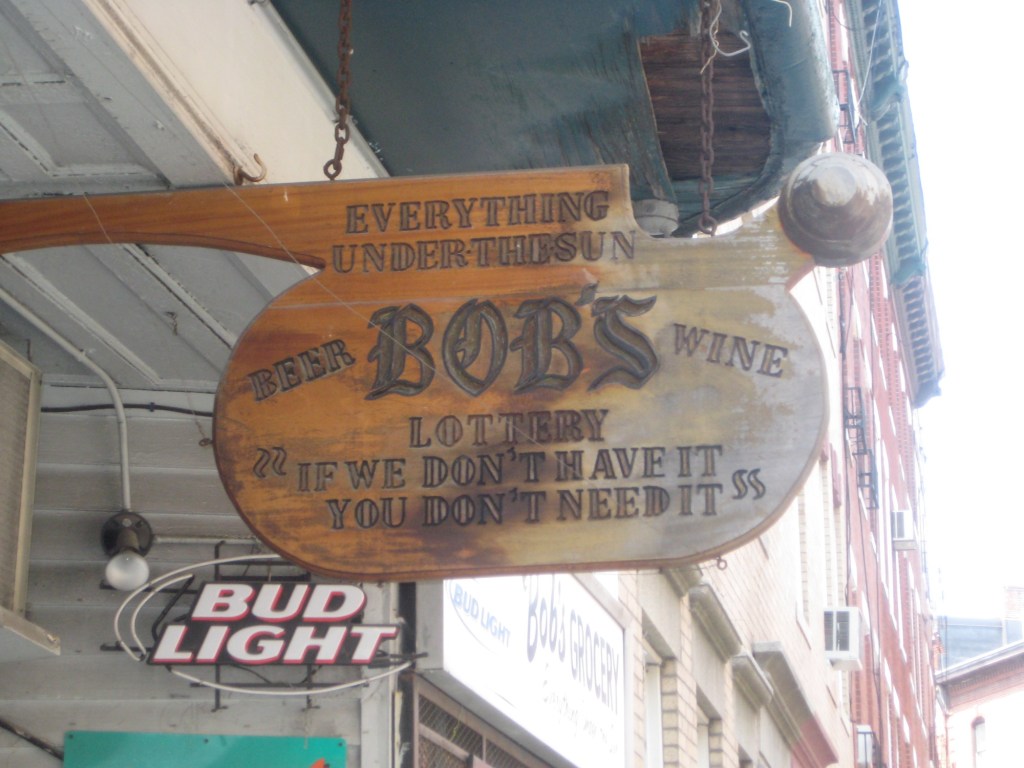
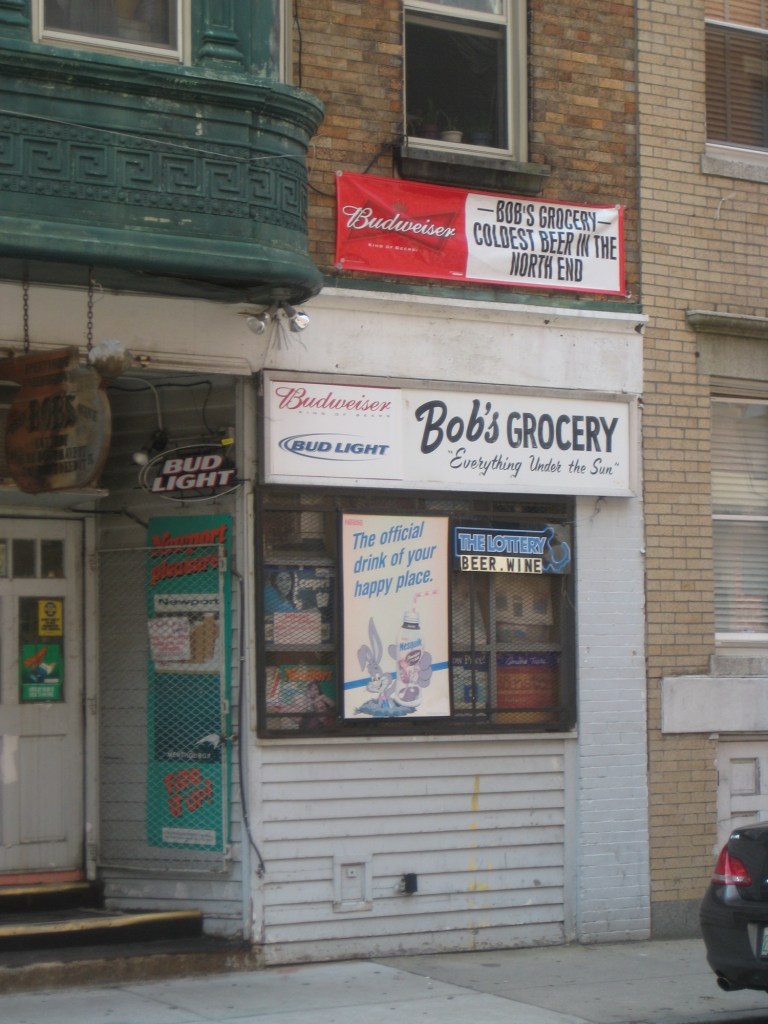
160 Endicott was truly a dump. It was the first floor apartment over a convenience store that I think was some type of front for a low-level gambling operation. Their most popular item was lottery tickets. They had a few dusty cans of soup and literally nothing else you would ever want to buy. The irony was the hand-carved sign, “If we don’t have it, you don’t need it.” They never had anything I needed. Not a tampon, not an Advil, nothing.
The apartment itself was totally unrenovated and smelled liked cats. The kitchen was horrible. The bathroom had cockroaches. The downstairs neighbors (who lived in an unfinished basement beneath the store) were always asking to borrow my car so they could drive to the dog racing track up north. But it was in a great location in the heart of old Boston and we could afford it on our art museum salaries, with absolutely no help from parents, which was my main objective in moving there. I really didn’t want to be beholden to my parents for anything. I needed some space from them and my troubled sister.
I took my kids back to visit in 2009. It looked much the same from the outside, but the store inside looked cleaner and nicer. New owners had taken over.
I didn’t ask to see the old apartment, but the green exterior bay window looked exactly the same. And the sign was still there:
“If we don’t have it, you don’t need it.”That was the window of my “bedroom” which was actually the living room. I slept on a pullout sofa. A return trip to 160 Endicott Street in 2009In 2009, the humble exterior looked identical to how it looked in 1990.
The twenties are such a formative decade. So many forks in the road. Decisions made. Paths chosen. Roads not taken.
Memories of my time on Endicott Street include gaining a more visceral understanding of poverty (I thought our place was bad, until I saw how the people under the store were living); finally ending a longterm romantic relationship that had been going on and off for years; great authors—like Toni Morrison and Maya Angelou—introduced to me by my roommate Bridget (a reader and a feminist); and food smells—especially Bova’s bakery, open 24/7. Not much in Boston is open all night…but Bova’s is. There are better bakeries in Boston’s North End, but nothing smelled as good as Bova’s at 3am.
Yesterday I went to a concert by the world-renowned Boston Symphony Orchestra in Boston’s historic Symphony Hall.
Boston’s Symphony Hall yesterday afternoon
My friend Eileen and I had wanted to attend this particular concert because the planned guest conductor—a young man we knew from our days working together at the Conservatory—was making his Boston debut.
AFTER we bought our tickets, we were notified that he wouldn’t be conducting due to “ the recurring effects of a shoulder injury.” Instead, 29-year old BSO Assistant Conductor Anna Handler would be making her Symphony Hall debut. OK, well at least we were seeing someone’s debut!
The first piece was “The Imagined Forest” by 31-year old British composer Grace-Evangeline Mason. It was atmospheric and beautiful.
Something about seeing these two young women—the conductor and the composer—take their bows together felt like Progress. I’ve seen plenty of women take their bows as soloists, but not as conductors and composers—the artistic leaders—at the very highest level of classical music.
There was no mention of it being a historic first or anything like that, but you could feel that the audience was 100 percent supportive. Partial standing ovation (unusual for the first piece in a concert). Many cheers.
Brava, ladies. Well done. Respect.
29-year old Anna Handler commanded the podium in a focused, confident way as she stepped in for an ailing guest conductor of one of the world’s finest symphony orchestras
I dragged brought my husband to the special Winslow Homer exhibition at Boston’s Museum of Fine Arts. Given my recent interest in watercolor painting, I couldn’t miss Of Light and Air.
Here’s what I learned:
Watercolors fade. These paintings are delicate. That’s why they only display them once every forty years or so—and in very dark galleries. (If you really want to make art that lasts forever, watercolors might not be a great choice.)
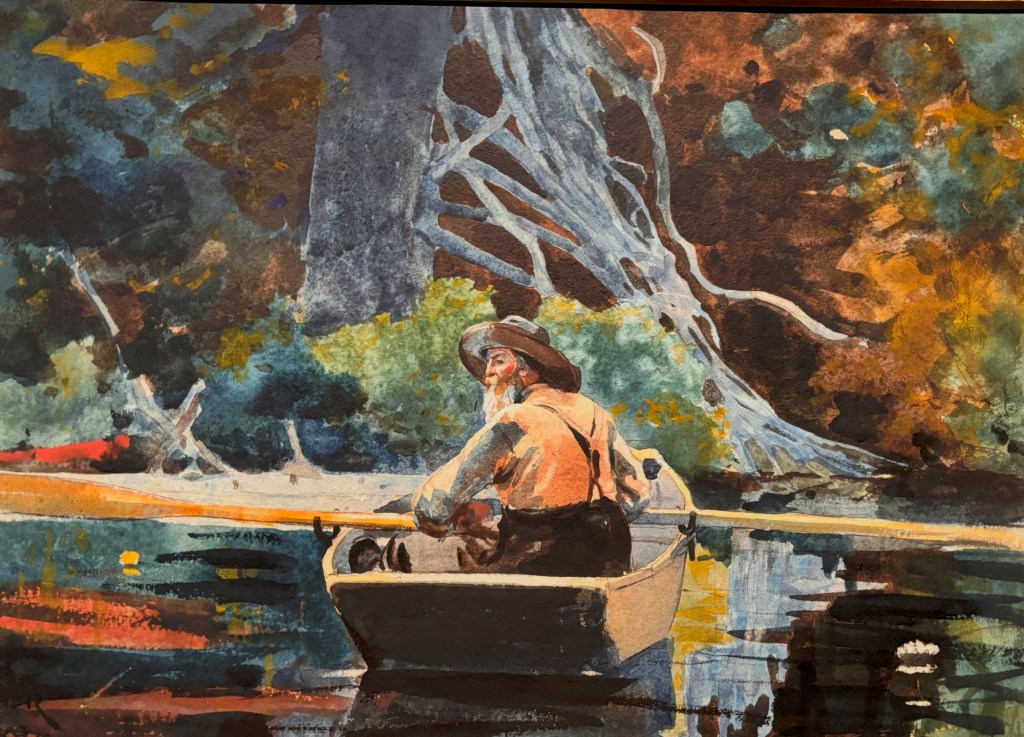
One of the most famous (and vibrant) pieces in the show
Pencil lines are OK, as long as they don’t bleed into the paint. In fact, most of his works were described as “watercolor over graphite.” And being able to draw well really helps. Plenty of modern painters can’t draw, but most artists I admire draw well…really well. So, keep practicing or studying drawing.
Having started as a commercial lithographer and magazine illustrator, Homer could create a realistic image with just a few well-planned lines. In fact, one of his magazine employers sent him to the front lines of the Civil War to draw battlefield images. Talk about trial by fire!
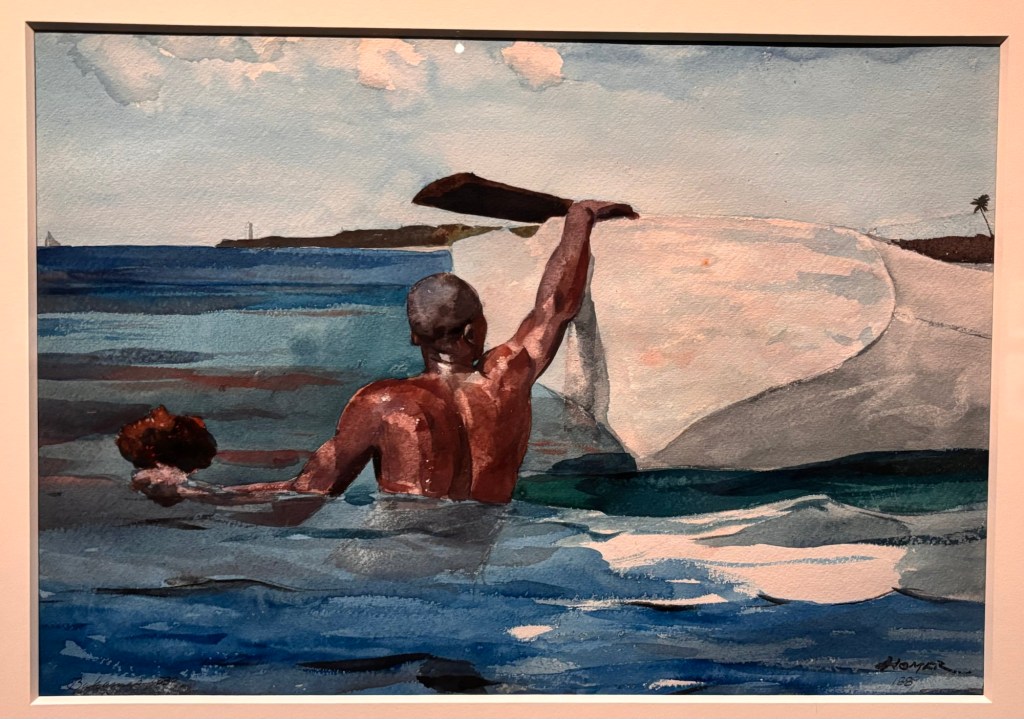
A sponge diver in the Bahamas. I have no idea how he would’ve painted something like this without a photo to refer to.
Watercolor paintings are about choices. There is no real white in watercolors. Your white is your paper, so what you choose not to paint is a critical decision.
Things can be represented with just a few brush strokes. Layers matter. Choices. What will you choose to fully depict? What will you simply allude to with a brush stroke or two?
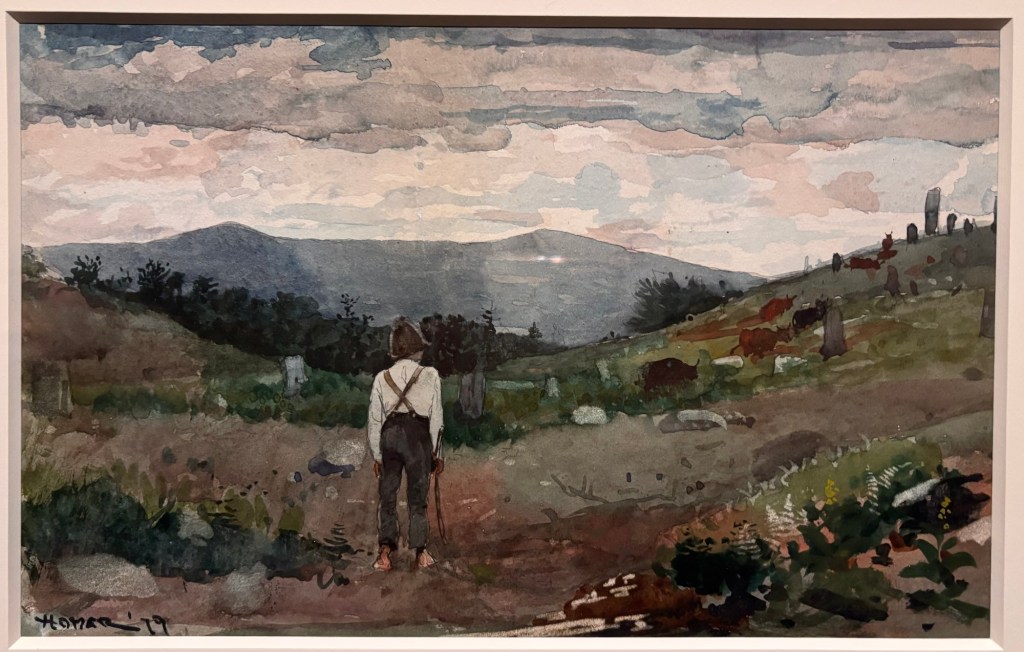
Driving Cows to Pasture, 1879 “This watercolor, painted in central Massachusetts, is noticeably looser and more abstract than earlier work. The boy, turned away from the viewer, is seemingly rooted to the ground; dappled hills and unruly vegetation surround him. A moody sky, composed of thin washes of blues and purples, casts a somber tone. The cows, rendered as brown dabs on the hillside, would be easily missed were it not for the title. Here, Homer embraced abstraction as well as some advanced watercolor techniques, removing pigment through scraping and lifting to create rough rocks and ghostly ferns.”
Everyone’s eyesight gets worse as they age. Apparently Homer told people to save rocks for your old age, because “painting rocks is easy.”
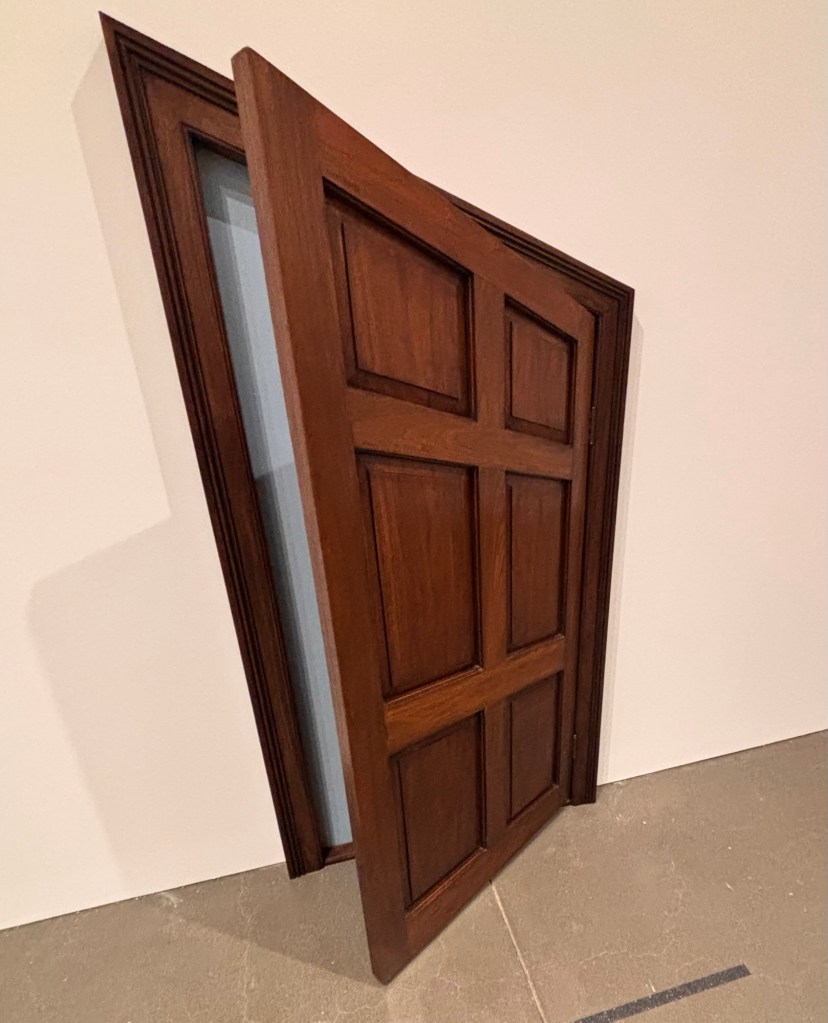
This door is a work of art by Kazumi Tanaka, a living artist born in 1962.
First conceived in 1996 during an unusual artist residency at Sabbathday Lake in Maine (the last active Shaker community in the world), Tanaka’s door was not shown until 2025. As part of The ICA/Boston’s Believers exhibition, the anamorphic door sat permanently ajar and is said to have alluded to Shaker founder Mother Ann Lee’s sentiment that the Shakers should open windows and doors to receive “whoever will arrive” in a spirit of openness and generosity.
If you’re GenX like me, about half your life was captured on film only (if at all). Digital cameras were not a thing when we were kids. If you were the third or fourth kid in the family, there may be very few photos of you as a child. This is not the case with me. I am the oldest and my parents were diligent. There are a lot of pics of me as a kid. Later on, I liked taking photos and even took a photography class or two.
Therefore, I’ve got a huge closet full of photo albums, boxes of loose photos, and a folder of black and white negatives in my basement, most of which have not been digitized. These include photos from throughout my life from 1965 through the birth of my second child in 2000. (After that, we went digital.) The photo albums are pretty easy to leaf through as they mostly have the correct year on the spine. And the boxes aren’t too bad because they’re pretty small. Until this weekend, I had ignored the big folder of negatives.
Welp, I finally decided to have a look and it turns out that the negatives are almost entirely from the year 1989–the year I took a photography class at the Museum of Fine Arts School in Boston. There are apps now for scanning negatives with your phone. I used one called FilmBox. It worked OK. There were a few surprises in those negatives. Things I had completely forgotten or only vaguely remembered were jolted back into my mind through the tiny black and white images.
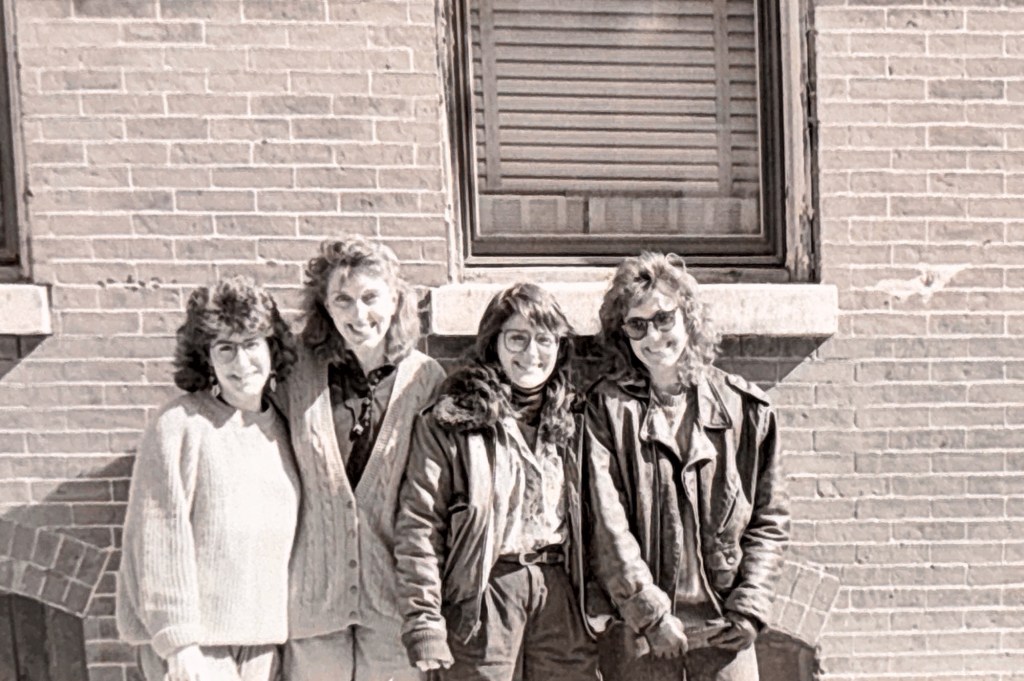
My three best friends from college and me in Boston’s North End. This was about 18 months after we graduated. I had forgotten that we briefly all lived in the same city.
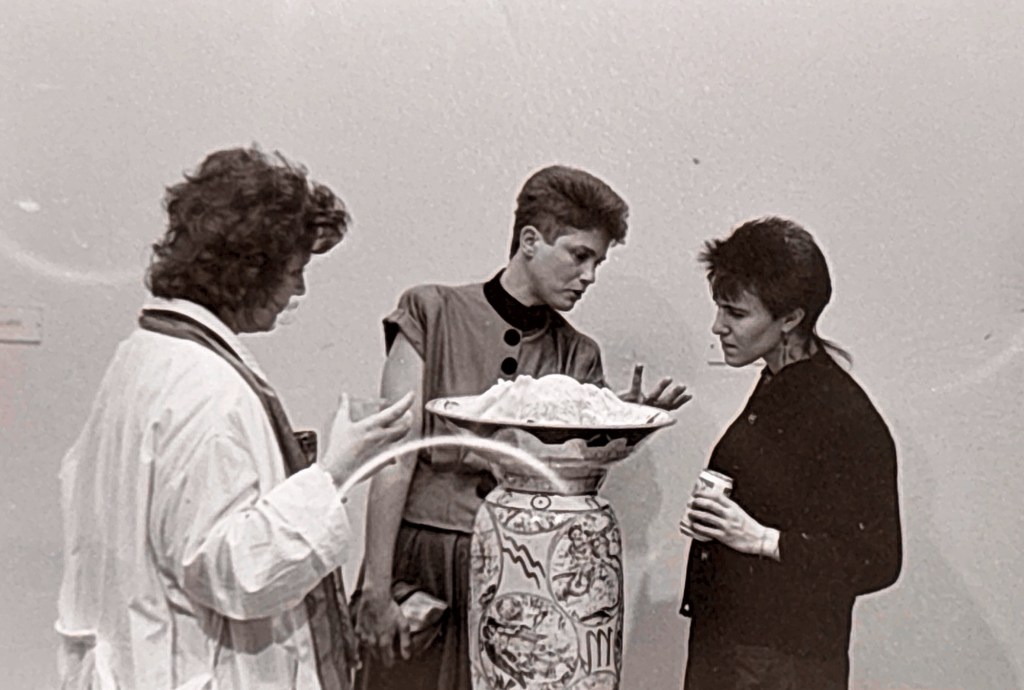
This was an art exhibition opening at the museum where I got my first job: The Institute of Contemporary Art. I had forgotten about those openings and the cheap white wine we always served at them. I typically invited my friends who lived in Boston.
The woman on the right, Teil, was my second boss at the museum. She taught me so much and was such a wonderful person. I think this is the only picture I have of Teil. It’s appropriate that she has a plastic cup of that cheap white wine in her hand.
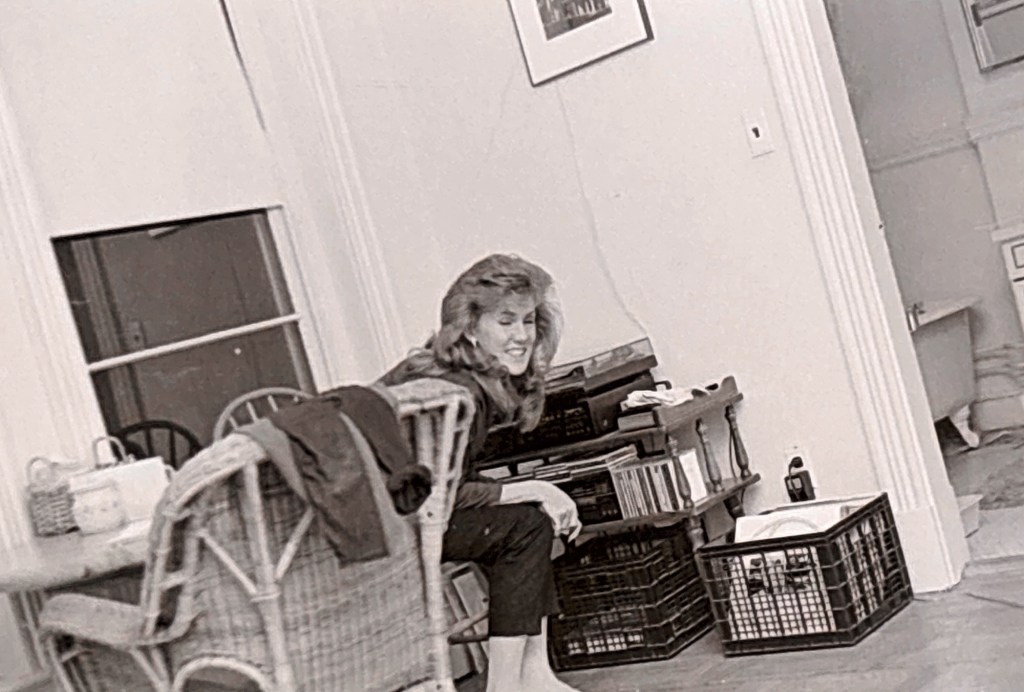
I had forgotten that my 80s friend Debbie came to visit me in my first studio apartment in the Fenway. Seeing her in front of my turntable, CDs and record albums (in milk crates) reminded me of how people used to look through each others music collections as a way of sort of figuring out what they were like. At that point, I think our musical tastes were diverging, but we both liked Prince.
In that same studio apartment, I had forgotten that my very bad cat Kimba was SO bad that I had to keep the bathroom trashcan above the mirror or he’d spread it all around the apartment. He was very cute, but a real pain in the neck.
I definitely remember going to the massive March on DC for abortion rights in April 1989, but had forgotten I went with two friends from work—Ann and Bridget. Later that year, Bridget and I became roommates in the North End.
The USS Constitution (“Old Ironsides”) with the Bunker Hill Monument in the background (August 21, 2025)
Do you know which great American city has been fighting authoritarians for 250 years? Sit down Philadelphia, because it’s Boston.
Fought on June 17, 1775, the Battle of Bunker Hill was one of the first major battles of the American Revolutionary War. Despite being technically a British victory, the battle showed that colonial forces could stand up to the British army, significantly boosting American morale.
In 1776, with the signing of the Declaration of Independence in Philadelphia (OK Philly we see you) the colonies formally declared themselves a new nation, requiring defense both on land and at sea. By 1794, with independence secured but U.S. ships vulnerable to attacks by pirates and foreign powers, Congress authorized the building of six frigates, including the USS Constitution.
In 1797, the USS Constitution was launched in Boston Harbor. During the War of 1812, she defeated multiple British ships in single day combat. In her most famous victory, British cannonballs bounced off her hull which was built with dense live oak (60% denser than white oak), thus the nickname Old Ironsides. The ship become a powerful symbol of the young republic’s survival and determination.
The ship in my photo is not a replica, it’s the actual USS Constitution. While she has undergone many restorations (her timbers have been replaced over time), her keel and much of her structure remain historic. She’s berthed at the Charlestown Navy Yard in Boston Harbor and is still an active U.S. Navy ship, with a crew of active-duty sailors who give tours.
Now check out Boston’s current mayor—Michelle Wu—telling overreaching, authoritarian President Donald Trump to go fuck himself in so many words.
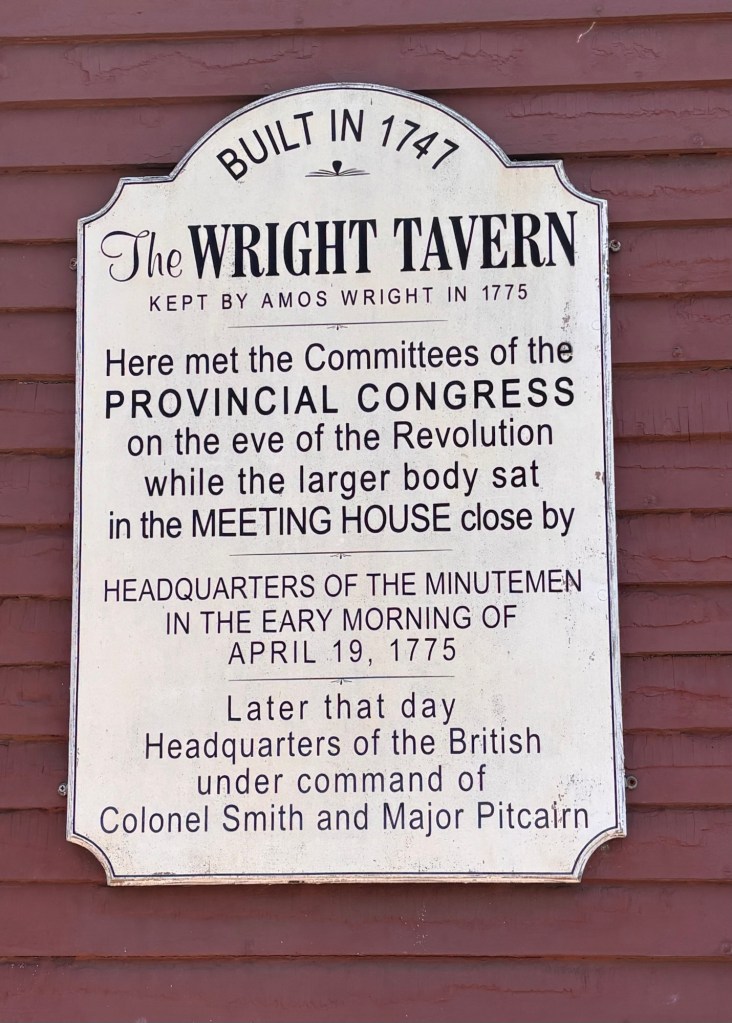
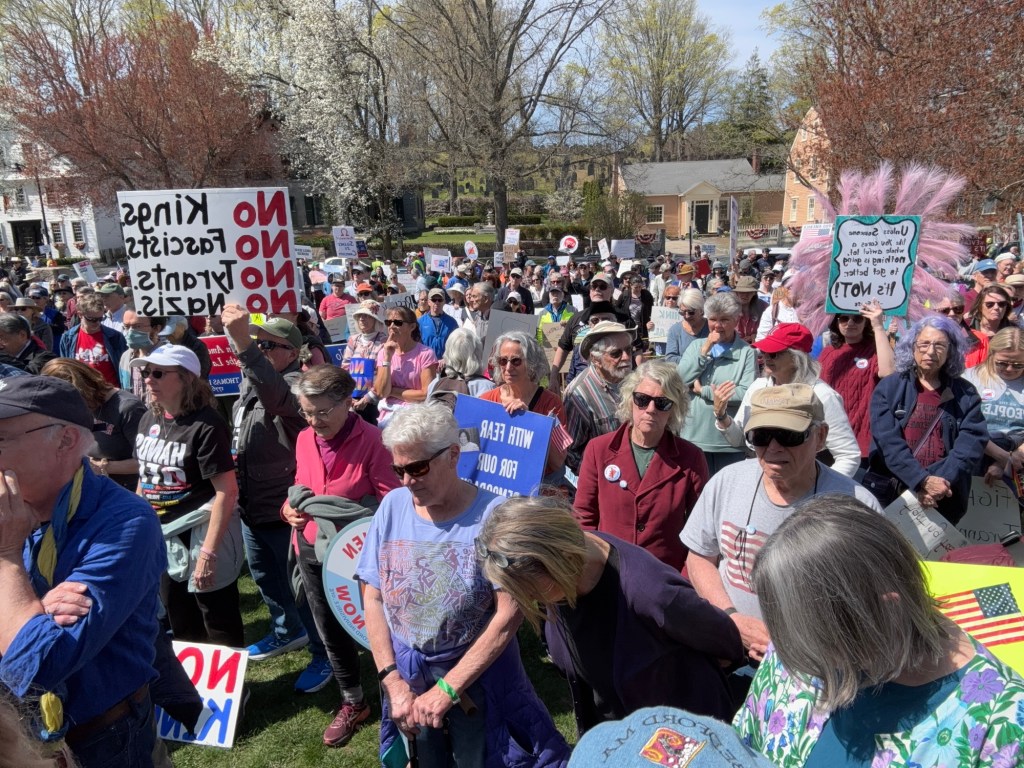
Patriots Day is a special Massachusetts holiday commemorating the start of the American Revolution. In case you don’t know the story: On April 18, 1775, British regulars (aka “Red Coats” because they wore bright red uniforms) marched from Boston to seize weapons stored by colonial militias in Concord. Paul Revere and others rode ahead to warn colonists. At dawn on April 19 in Lexington, Red Coats confronted about 70 militiamen (aka “Minute Men” because they could be ready to fight in a minute); a shot was fired—“the shot heard ’round the world”—and fighting began. Eight colonists were killed. The British continued to Concord but met fierce resistance. Amazingly, the Minutemen forced the Red Coats to retreat to Boston under heavy fire using fighting skills they learned from native people. A bunch of ragtag New England farmers chased the world’s most powerful army back to Boston with their tails between their legs. This marked the start of the American Revolutionary War.
Patriots Day is also the day they hold the Boston Marathon and many people have it off work.
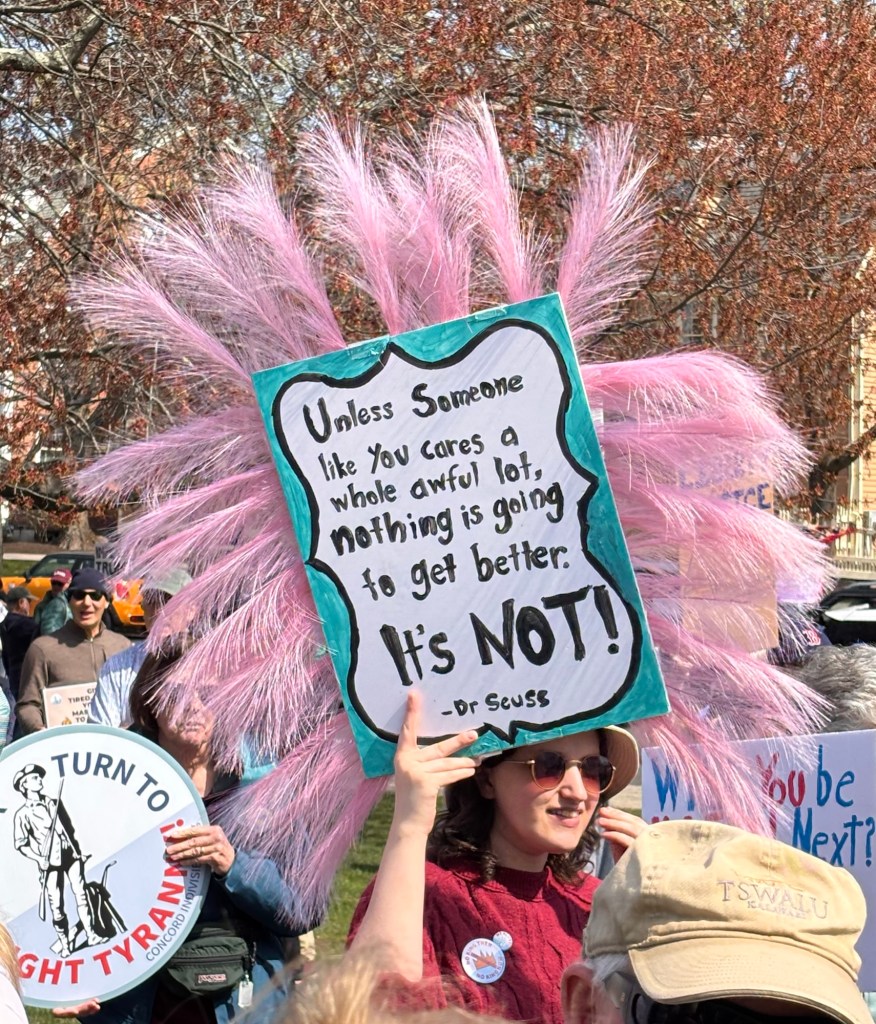
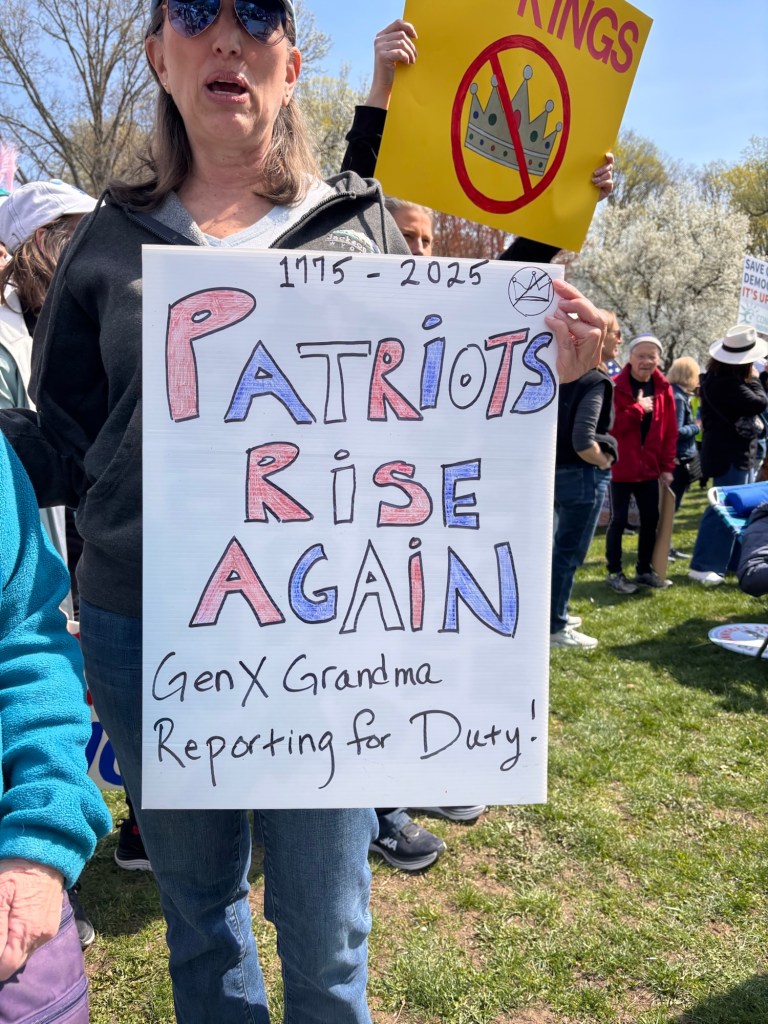
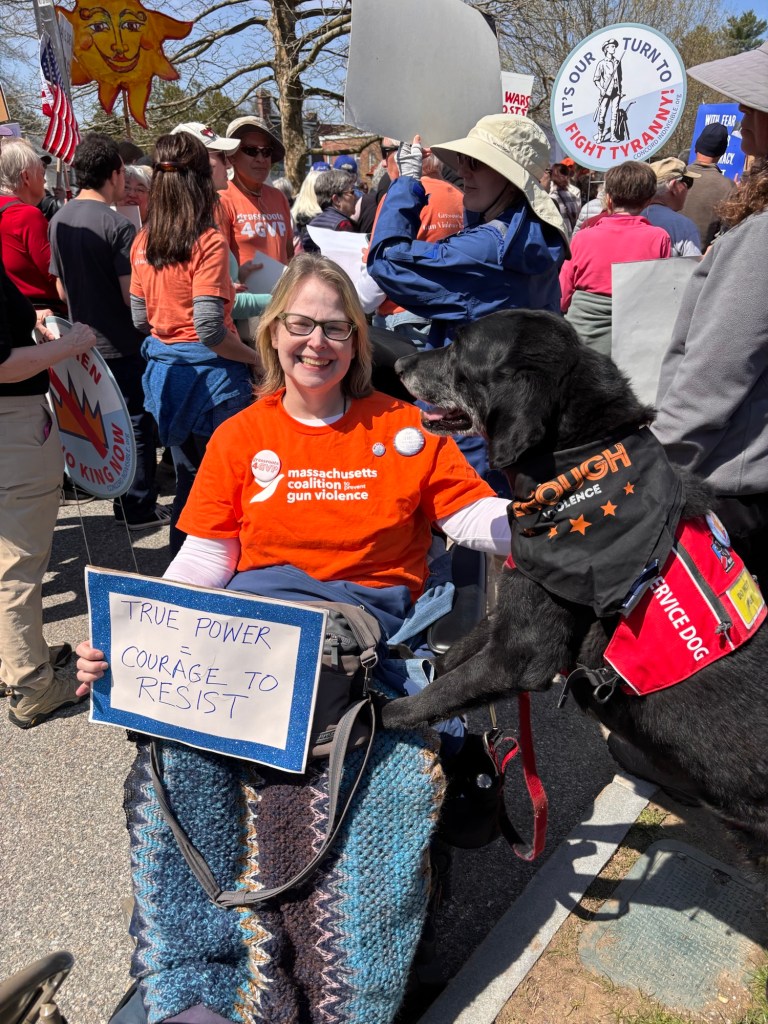
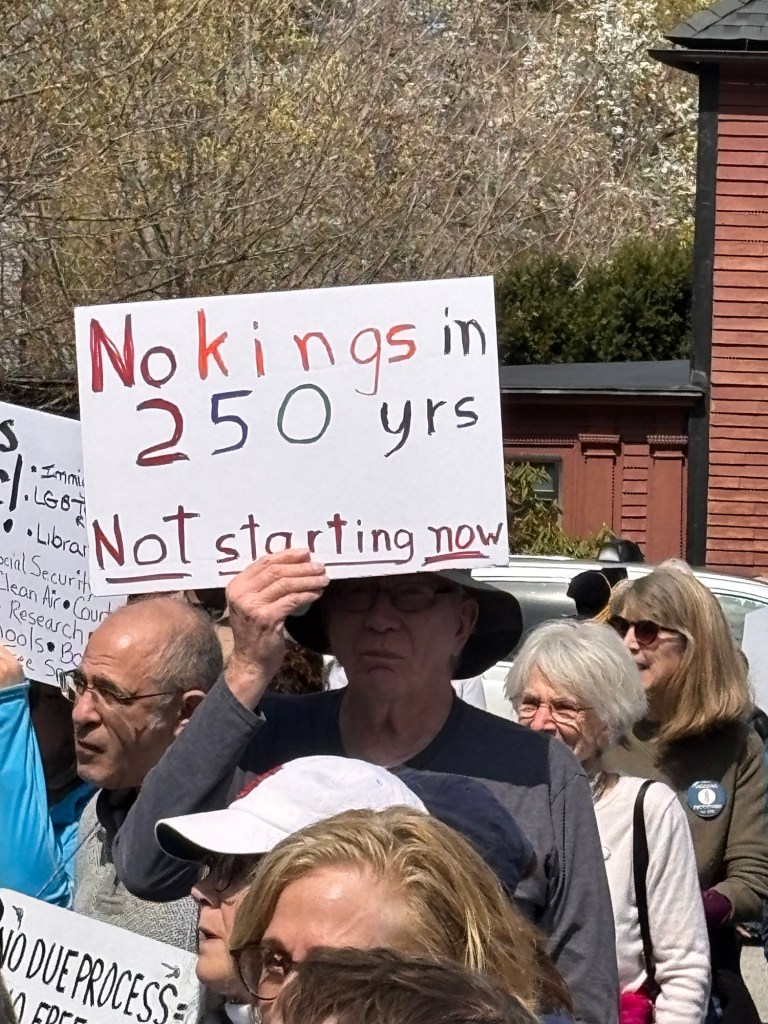
This year, Massachusetts is kicking off the 250th birthday celebrations for the entire country. We’ve had all sorts of patriotic celebrations this weekend—all with a decidedly anti-Trump sentiment.
If you have time, it’s worth watching historian Heather Cox Richardson give an address at the Old North Church detailing the events leading up to the “midnight ride of Paul Revere.” One of her final points is that the two men who lit the lanterns in the steeple to start the process of warning the colonists that the British were approaching “by sea” were not doing anything extraordinary. They were just doing what they considered to be “the next right thing” at that time.
Since the heartbreaking election in November, I haven’t felt much like getting back out there and joining the resistance, but Patriots Day is special.
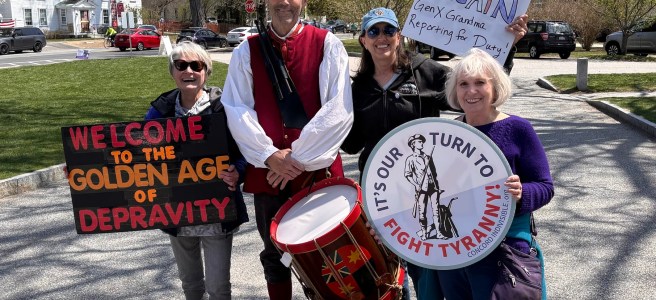
I was there in Concord for the Bicentennial in 1976, and wasn’t going to miss out this year. It felt like “the next right thing.”
The American Revolution started here.My friends and I with a Concord MinutemanThere was a huge anti-Trump crowd in Concord center for Patriots Day Speakers and singers on the steps of the Unitarian Universalist church That’s me!
Chris of A New Life After Cancer reminded me that it’s International Women’s Day (IWD), which is not typically on our radar (or our calendars) in the US.
With the resurgence of full blown patriarchy on steroids here, it’s probably a good year to remember to mark IWD!
I’ll start with Boston Mayor Michelle Wu who did a great job defending our city in front of the bullies in Congress this week. She was forced to travel to DC to testify in front of hostile MAGA legislators just 7 weeks after giving birth and many found her calm, brave strength inspiring.
Boston Mayor Michelle Wu with 7-week old Mira in Washington DC on Ash Wednesday
Thank you Mayor Wu—a strong and fearless millennial.
![A logo for "50 Happens," [a site dedicated to Gen X women with children and grandchildren] [who embrace life's challenges with humor and resilience], [featuring a modern and uplifting design] [that embodies strength and positivity] [with an elegant and playful style] [and a harmonious blend of colors like pink, fuchsia, purple, and blue].](https://50happens.blog/wp-content/uploads/2024/12/img-5uorrxvwartomopcpuhjfjd0.png?w=300)





















 50 Happens