![A logo for "50 Happens," [a site dedicated to Gen X women with children and grandchildren] [who embrace life's challenges with humor and resilience], [featuring a modern and uplifting design] [that embodies strength and positivity] [with an elegant and playful style] [and a harmonious blend of colors like pink, fuchsia, purple, and blue].](https://50happens.blog/wp-content/uploads/2024/12/img-5uorrxvwartomopcpuhjfjd0.png?w=300)
We have a woman in our church choir with dementia or Alzheimer’s (not sure of her official diagnosis). She has a lovely singing voice. In fact, she was a music teacher at one point.
But Susan (not her real name) is getting worse. She has an extremely difficult time keeping track of her sheet music and the folder it lives in. Last Sunday, as we began to warm-up before the congregation arrived, she turned to me and said, “I have no idea why I’m standing here, but I was a music teacher once.” She gets upset when she doesn’t know what’s going on. She’s never caused a scene or melted down, but her anxiety is a real issue. She needs constant reassurance. And she can get snippy with people who are trying to help her.
Her partner Jim is a nice man who has already lost both of his adult daughters to diseases. He’s doing his best, but this has got to be really tough on him.
The plan now is to make a formal schedule whereby her fellow sopranos will take turns supporting her each week, so that nobody gets stuck doing it all the time. It’s going to mean showing up early, sitting with her, making sure she has music, reassuring her throughout the rehearsal and performance, and then making sure she gets back to Jim.
To be perfectly honest, I’m not looking forward to it. I never knew this woman before she had dementia. She’s not a family member of mine. I have no special fondness for her.
But clearly, I need to step up. That’s the whole point of church, especially Unitarian Universalist churches, where belief in God is optional. “Community” is the goal. I know that if I get dementia (or cancer or anything else), these people will support me. They are GOOD PEOPLE. Most are better than me. (I’m not just saying that. They really are.)
Here’s something Susan said to me in one of her sweeter moments: “I have a trick for when I don’t know what’s going on. I smile more.”
I’m going to try to remember that. Smile more. If she’s annoying me with her inability to follow along and constant questions, I’ll smile at her. She has a lovely smile. And so do I.
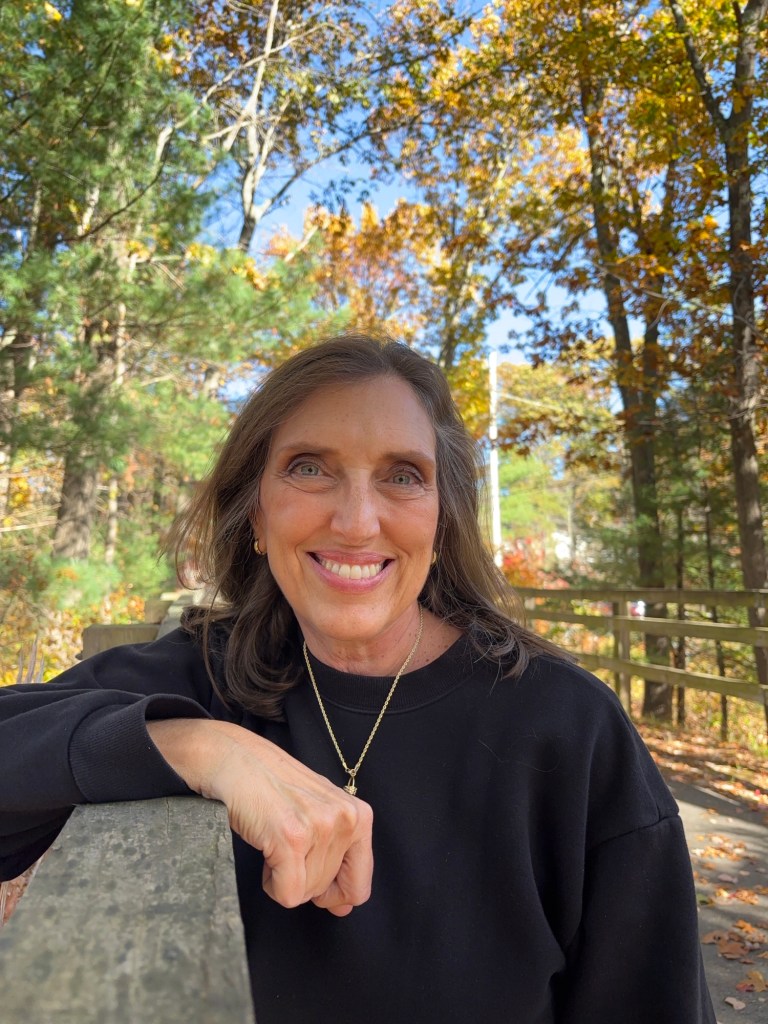

Smiling in annoying or uncomfortable situations might not help. But it can’t hurt. I think this might be a uniquely American thing.


 50 Happens